Impressionen: Maldives Aggressor II


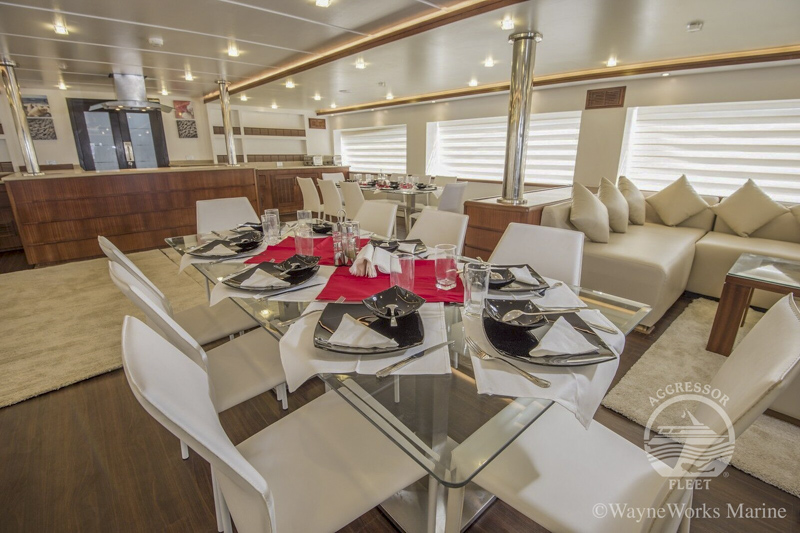
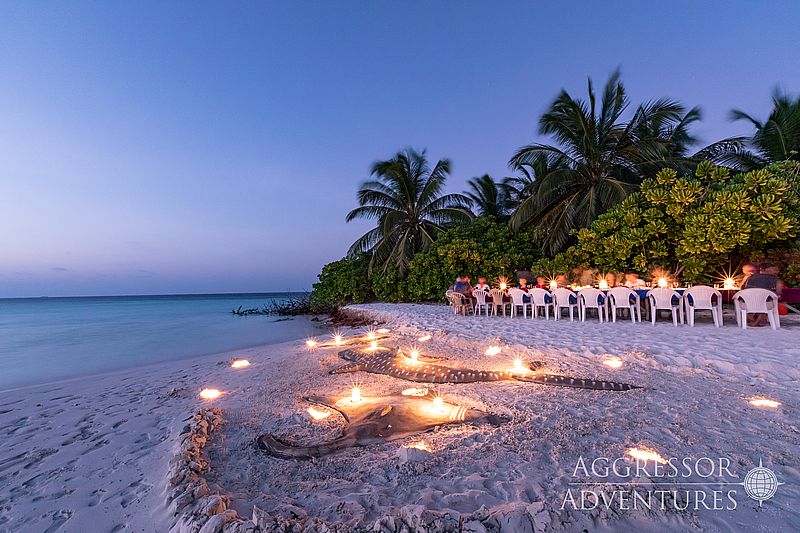
Angaben zum Schiff
Technische Daten des Bootes
Kabinentypen & Details
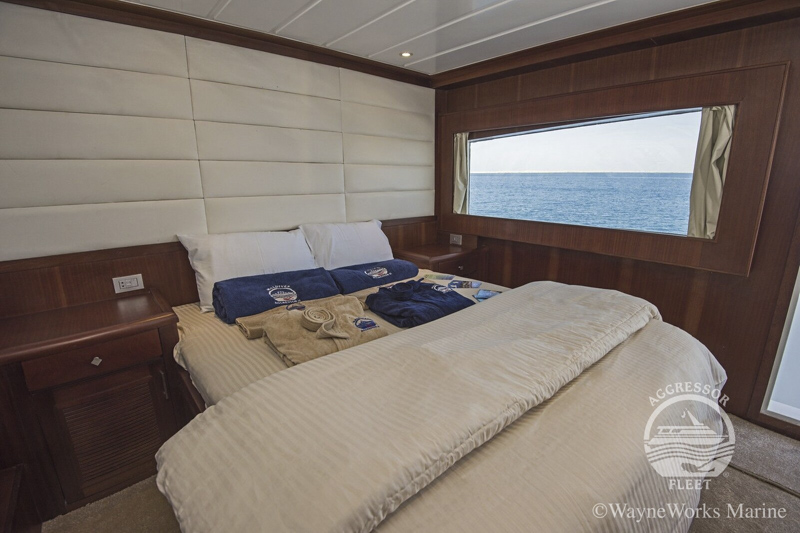
Suite

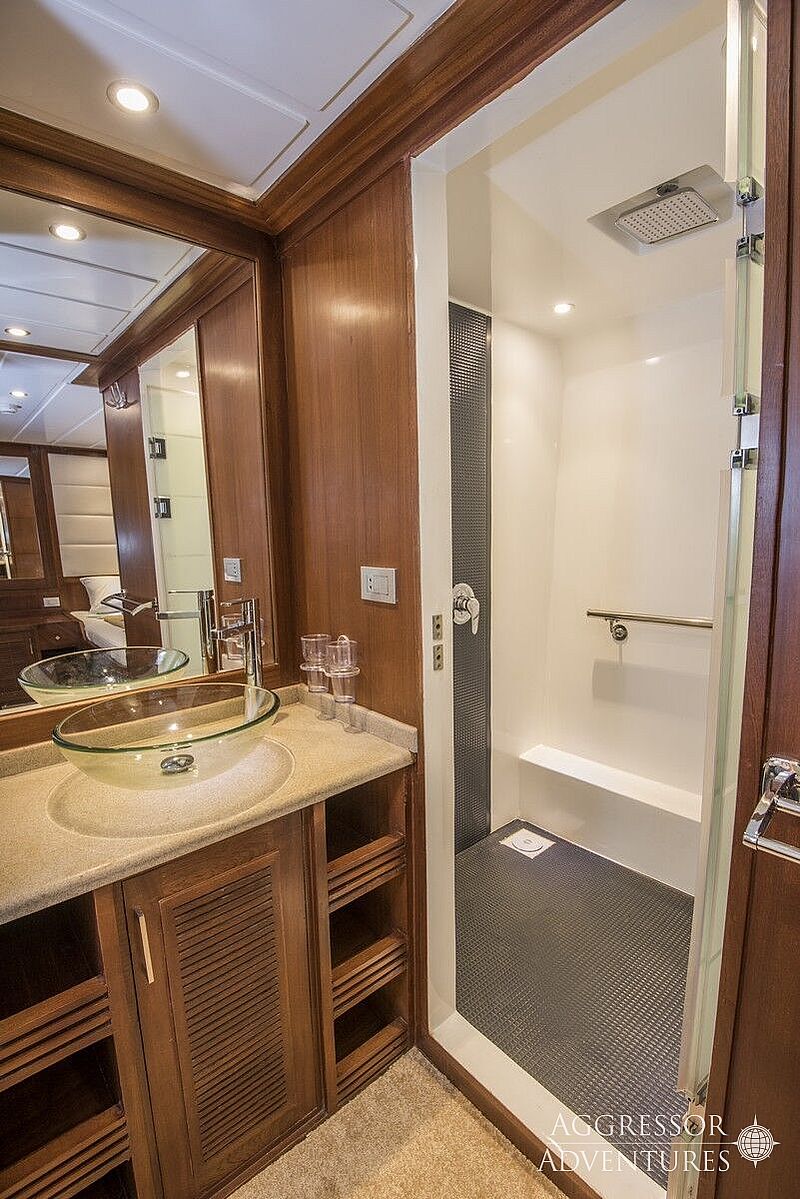
Kabintyp Details
Bathroom
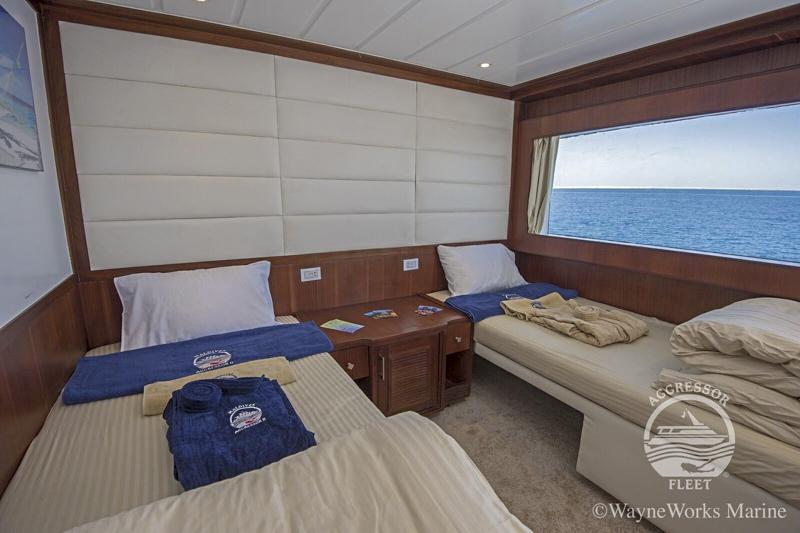
Twin
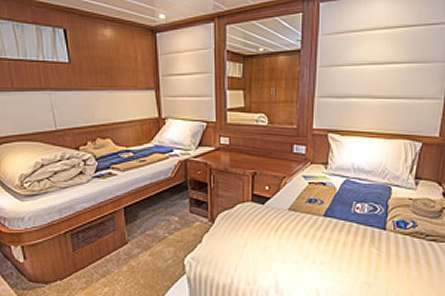
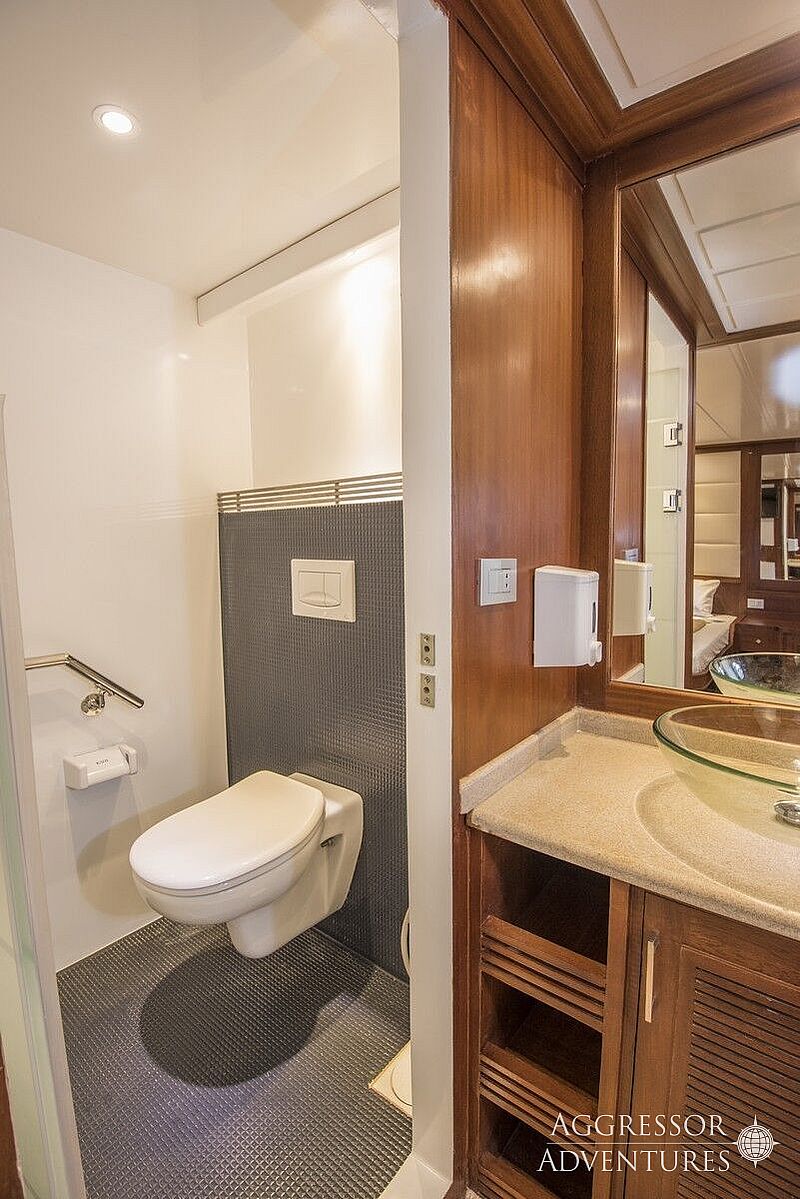
Kabintyp Details
Bathroom
Deluxe
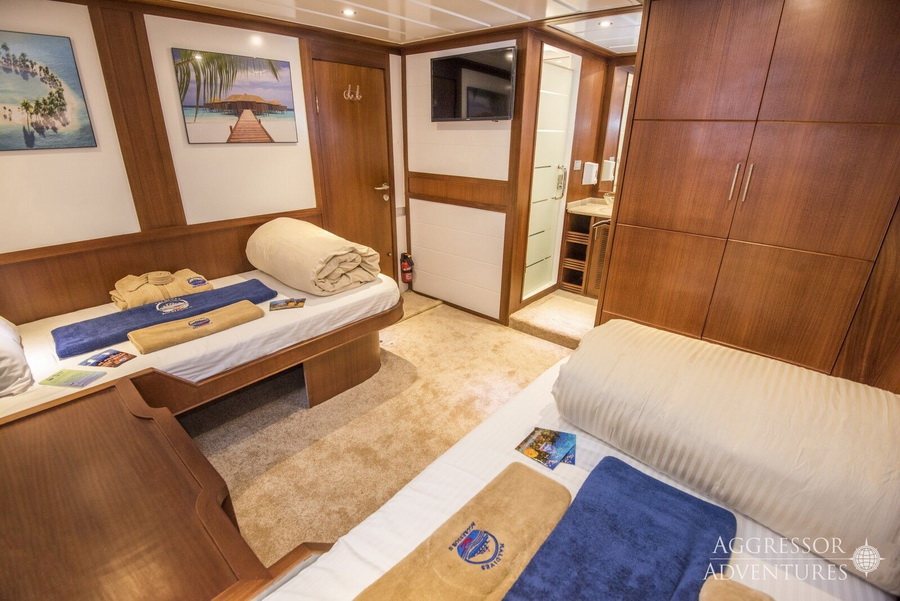
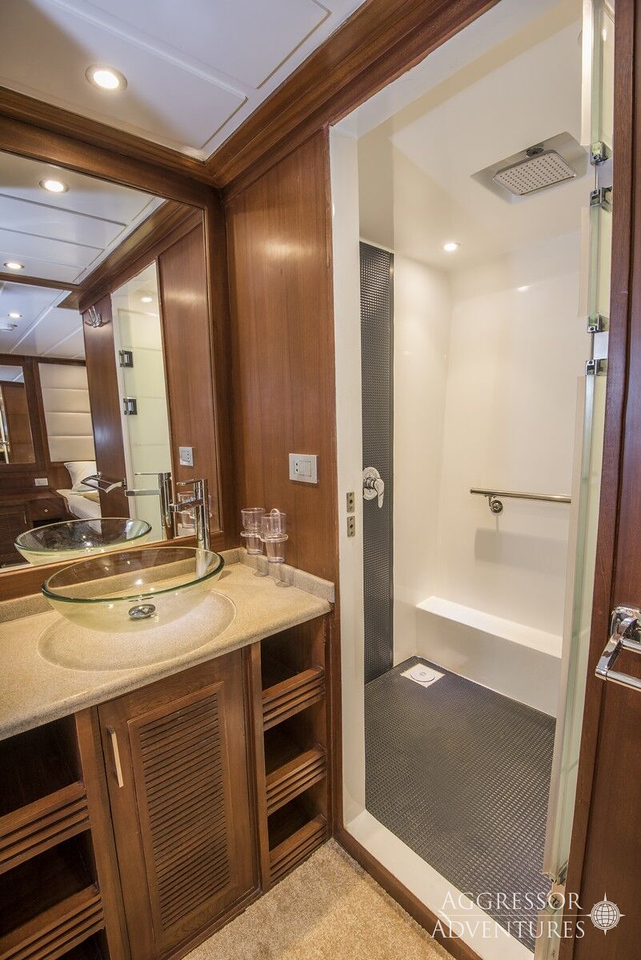
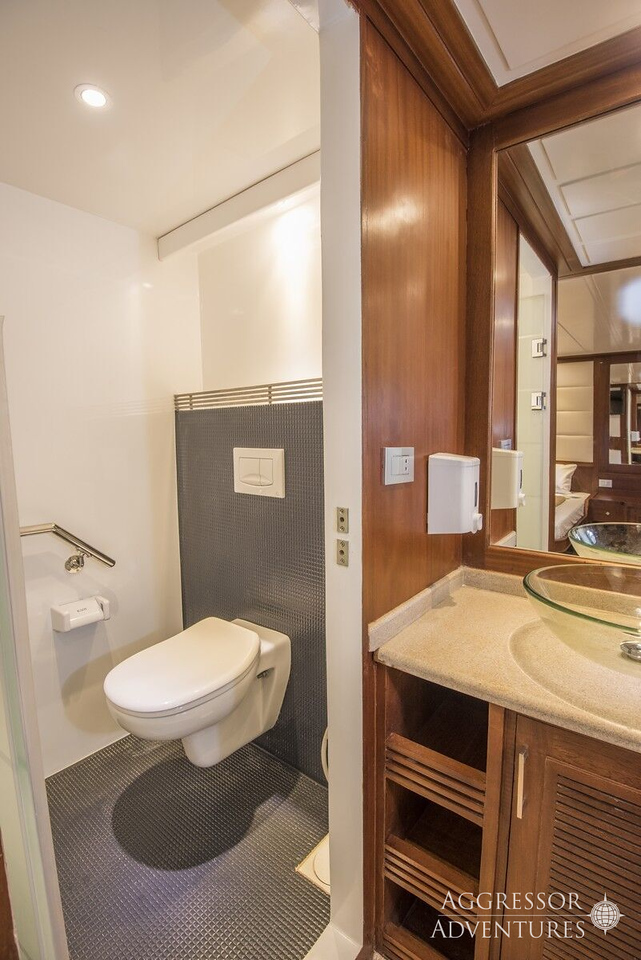
Kabintyp Details
Bathroom
Routen und Details
Best of Northern Maldives - Lhaviyani
Mehr erfahren
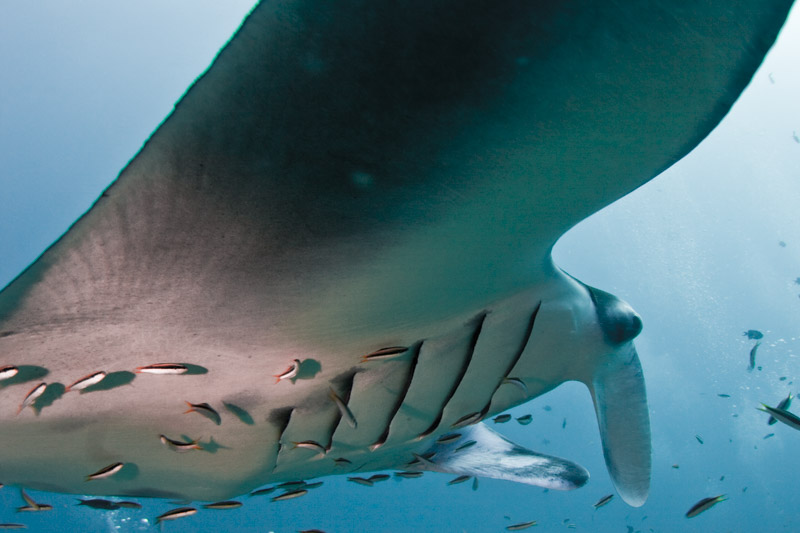
Lankan Beyru (Manta Point) - The main attraction of the site are manta rays coming to the cleaning station during the southwest monsoon. The dive site is relatively easy to access, with small currents and is very often considered as a good dive to start the week. The cleaning station itself is a large coral block covered with anemones and full of fish life. It is also very common to come across whitetip reef sharks, turtles and napoleons. Rasfari Corner - Large and shallow plateaus (10 - 20 ft) on the west side of the atoll, right next to the wide lagoon of Rasfari. It is covered with hard corals and hosts a cleaning station during the northeast monsoon. The most common way to do the dive here is to start on top of the reef, which is protected from the currents and after spending some time with the mantas continue the dive towards the wall that drops down to about 75 feet. The wall is nicely covered with hard corals, rich with fish life and popular with turtles.
Kandooma Thila - Definitely number one in the ranking of the best dive sites in South Male atoll. Long thila, located in the middle of the channel, offers spectacular conditions to observe grey reef sharks, whitetip reef sharks, eagle rays, big schools of jacks and snappers both with incoming and outgoing current. North side of the pinnacle is nicely covered with soft corals with the top of the reef being home to many reef fish and green turtles. This area can have lots of current. Rasdhoo Madivaru - Channel dive between Rasdhoo island and Madivaru offering a spectacular ridge facing the ocean to observe grey reef sharks, whitetip reef sharks, eagle rays and large dogtooth tunas. More pelagics are visible during strong incoming currents, the use of current hooks is advisable. The ridge dropping down to 150 feet on the outside, expands to a sandy bottom inside the channel where it is common to see stingrays.
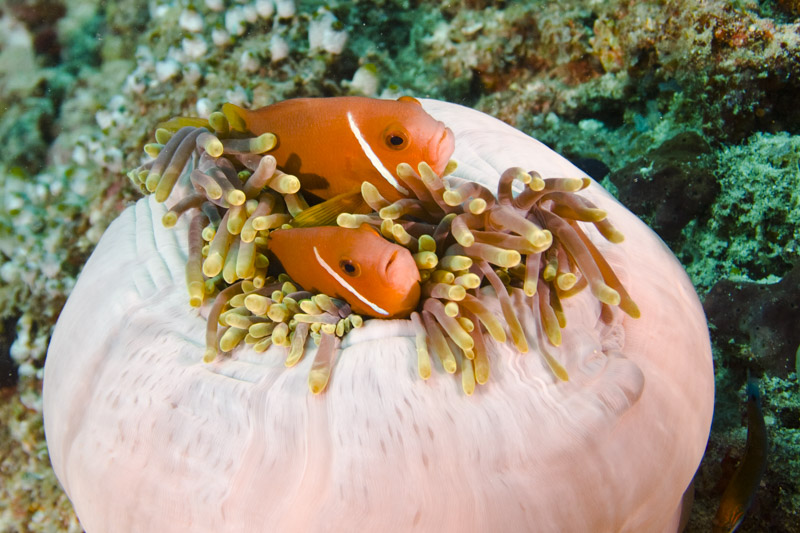
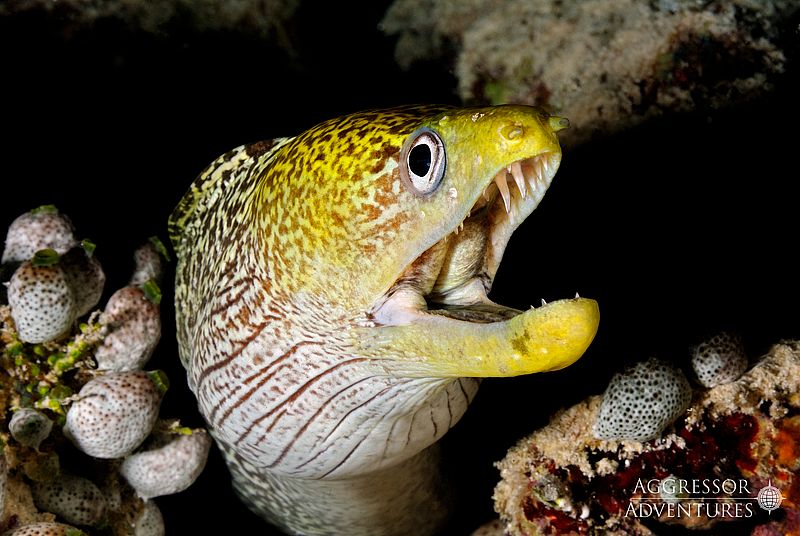
Maaya Thila - The thila (a pinnacle) is about 240 ft wide in diameter and is considered one of the best night dives in the Maldives. Top reef at 15 feet makes it easy to access even with current. The upcurrent side is always very active and busy with fusiliers and snappers. Big jack fish, whitetip reef sharks, stingrays and moray eels can be spotted easily. Some overhangs around the thila provide shelter for turtles. Even though it has a reputation for a night dive it is also quite popular during the day. A few separated coral blocks south of the thila create a tunnel and are full of beautiful coral bushes. With the right current this is a place to spot grey reef sharks. Due to its exposure to the currents it offers rich presence of fauna and flora. Big schools of jacks and fusiliers on the upcurrent side as well as difficult to count amount of blue striped snappers hiding from strong currents inside the overhangs all around the thila are the highlights of the place. It is also popular with grey reef sharks, schools of barracudas and dogtooth tunas in the blue as well as turtles and moray eels on the top reef. With strong currents negative entry is recommended and current hooks should be ready to use.
Bathalaamaagaa Kanthila - Long coral ridge in the middle of a channel, extended from the outer reef and sloping gradually down to 25 meters and deeper offering good conditions for observing grey reef sharks, whitetip reef sharks, eagle rays and napoleons as well as schools of jacks and fusiliers. The dive site is active during both incoming and outgoing currents but might be more challenging during outgoing currents of northeast monsoon. Negative entry required and divers are recommended to hide below the depth of the top reef to protect from the current. Current hooks strongly recommended.
Best of Maldives
Mehr erfahren
Die Malediven-Inseln liegen südwestlich von Indien. Verstreut über den Äquator in der Mitte des Indischen Ozeans, stellen die edelsteinartigen Inseln der Malediven die seltene Vision eines tropischen Paradieses dar. Palmengesäumte Inseln mit strahlend weißen Stränden, türkisfarbenen Lagunen, klarem, warmem Wasser und Korallenriffen, in denen es von einer artenreichen Meeresflora und -fauna nur so wimmelt, faszinieren Besucher wie schon seit Tausenden von Jahren. Die Malediven sind ein tropisches Reiseziel für Tauchsafaris mit einer ganzjährigen Meeresbrise.
Es gibt drei verschiedene Arten des Tauchens auf den Malediven: innerhalb der Atolle, außerhalb der Atolle und in den Kanälen oder Pässen, wo die Strömungen am stärksten sind und man die größte Ansammlung von Fischen vorfindet. Am faszinierendsten sind die Putzerstationen, die an jeder Ecke und unter jedem Felsvorsprung zu finden sind. Zackenbarsche, Schnapper, Doktorfische, Aale, Papageienfische und sogar Riesen-Napoleon-Lippfische parken lässig in den Ecken, während Heerscharen von Lippfischen, Garnelen und anderen Putzerfischen in ihren offenen Kiemen und höhlenartigen Mäulern nach Unrat suchen. Der Nordostmonsun dauert von Dezember bis April und bietet schönes Wetter mit starken Strömungen. Der Südostmonsun dauert von Mai bis Oktober und bietet mehr Wind und weniger Strömung. Die Tauchsafaris auf den Malediven sind so konzipiert, dass sie je nach Jahreszeit die besten Tauchgänge bieten, weshalb es auch so viele verschiedene Routen gibt.
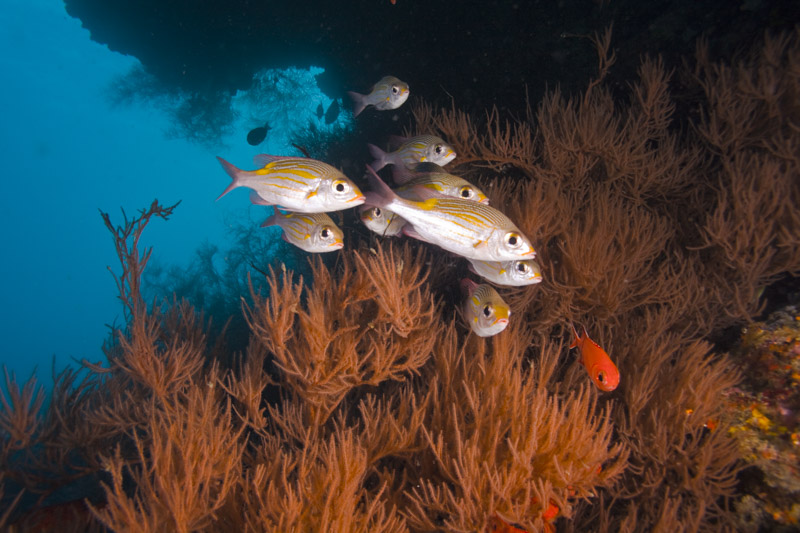
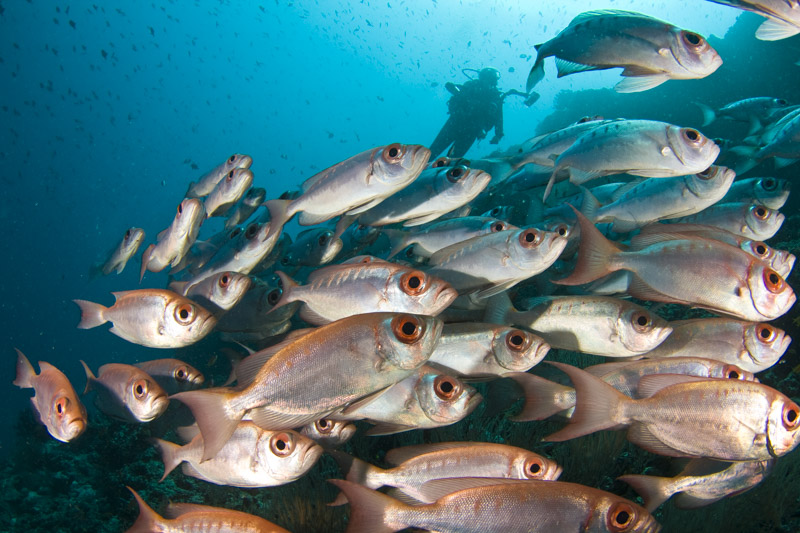
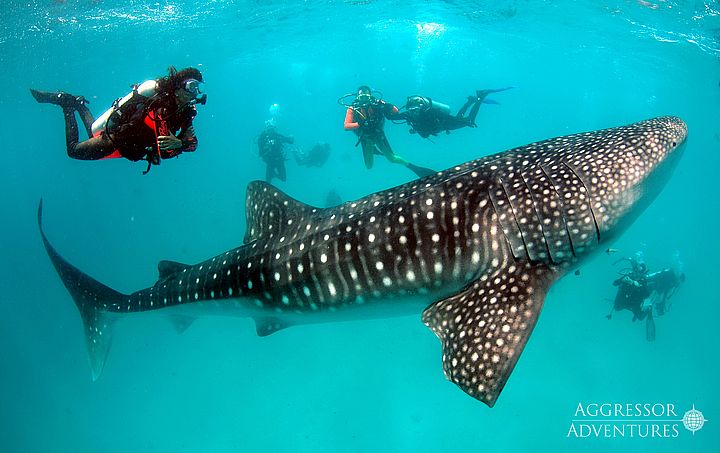
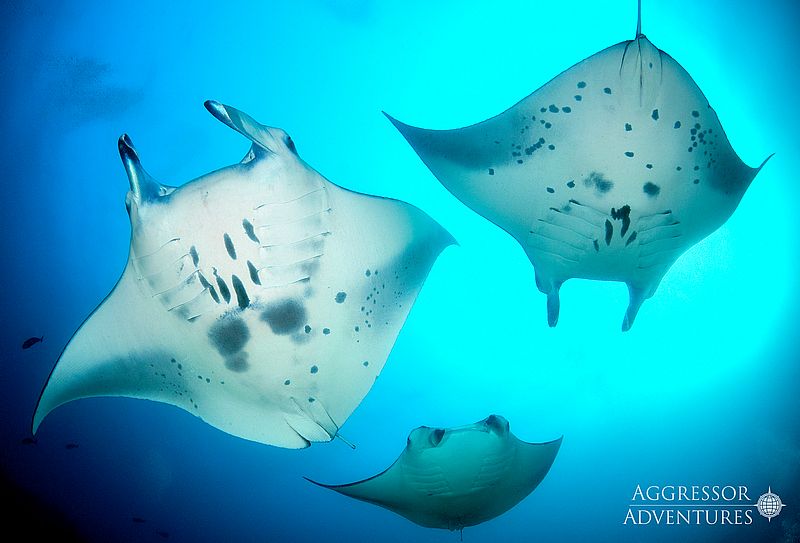
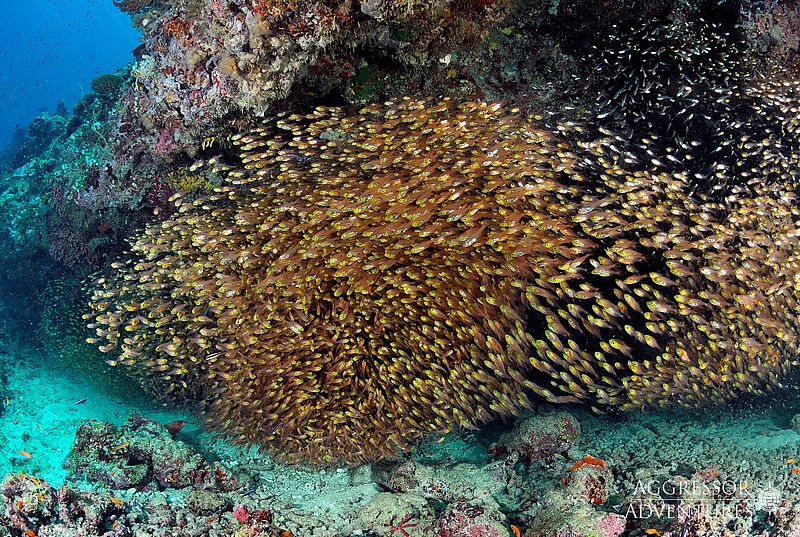
Die große Attraktion beim Tauchen auf den Malediven sind die Fischschwärme, die in farbenfrohen Rudeln über die Riffe ziehen: Buckel- und Schwarz-Weiß-Schnapper, Trevally Jacks, Barrakudas, Fledermausfische, Einhornfische, Gelbrücken-Füsiliere und Harlekin-Süßlippen, die fast schon komisch aussehen. Die größeren Bewohner des Riffs, darunter Haie, Rochen und gelegentlich sogar Walhaie, werden oft beim Kreuzen im Blau gesehen. Mantarochen können das ganze Jahr über beobachtet werden, wobei die beste Zeit für Begegnungen an der Fütterungsstation von Mai bis November ist. Walhaie sind ebenfalls das ganze Jahr über zu sehen, wobei die meisten Begegnungen im April, Mai, Oktober und November stattfinden.
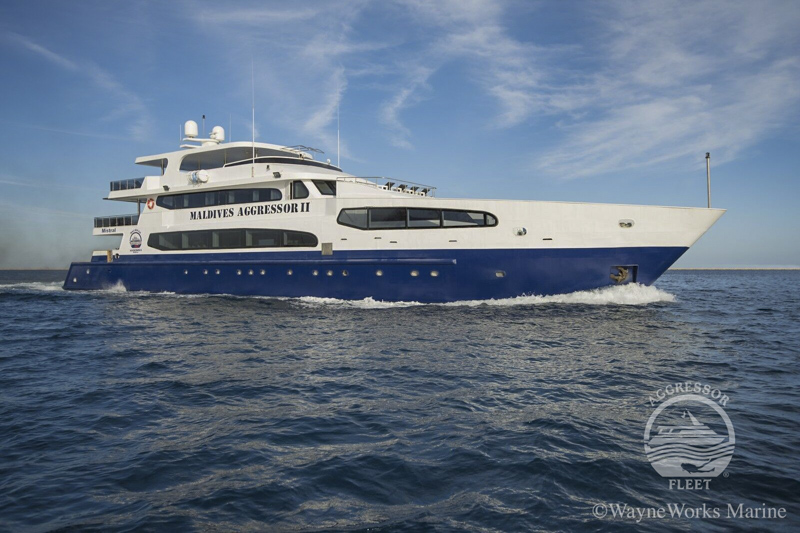
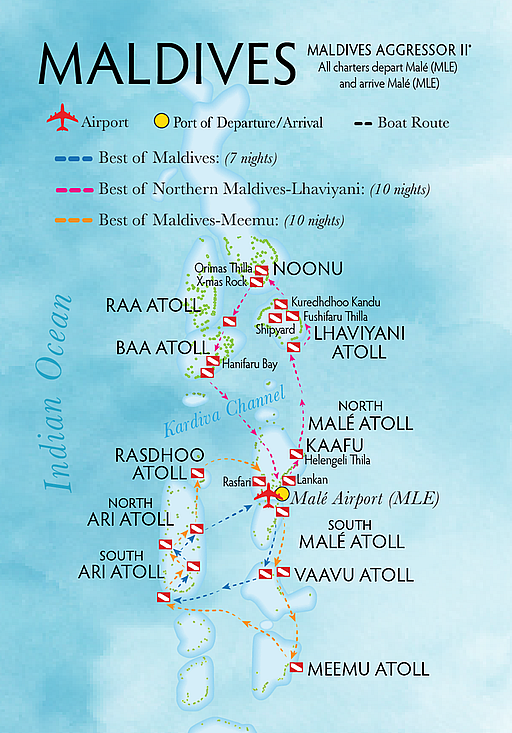
Es gibt drei aufregende Gebiete, aus denen Sie für Ihre Tauchsafari auf der wunderschönen Maldives Aggressor II wählen können. Die 'Best of the Maldives' bietet 7 und 10 Nächte mit 4 verschiedenen Routen, die die folgenden Gebiete umfassen: Nord-Male, Süd-Male, Nord-Ari, Süd-Ari, Vaavu und Rasdhoo mit spektakulären Tauchgängen in den Kanälen, Wracks, Pinnacles und weltberühmten Nachttauchgängen. Die Gäste werden in Male ein- und ausschiffen. Es handelt sich um eine ganzjährige Route, bei der jedes der Tauchgebiete aufregende Tauchgänge bietet. Die Gäste können bis zu 18 Tauchgänge während der Woche auf der 7-Nächte-Route und bis zu 27 Tauchgänge auf einer 10-Nächte-Route machen.
Best of Maldives - Meemu
Mehr erfahren
Channel dives are also quite deep- around the 100ft and typically have stronger current. Reef hooks are used often during this trip. There is also a mix of easy going dives offered though the trip to help balance it out. You will visit a manta cleaning station and offer the manta night dive in Fesdhoo if the mantas are present. There is also a chance for the whale shark on this trip.