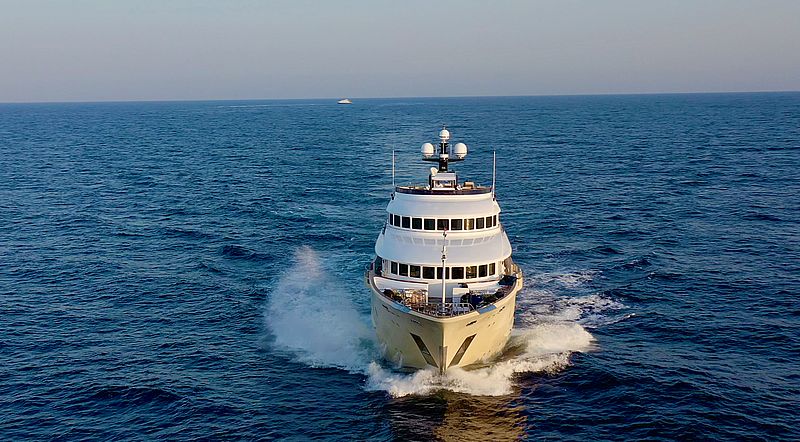
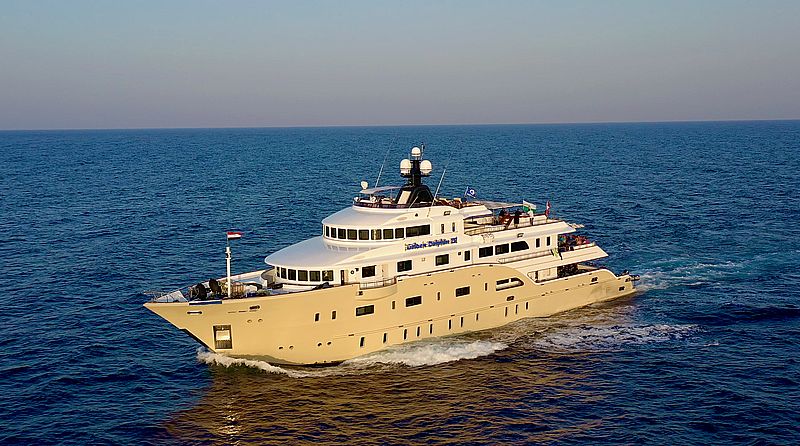
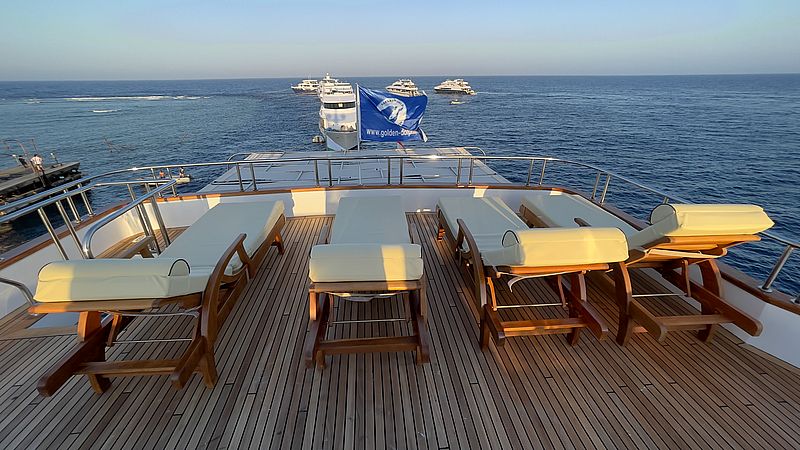
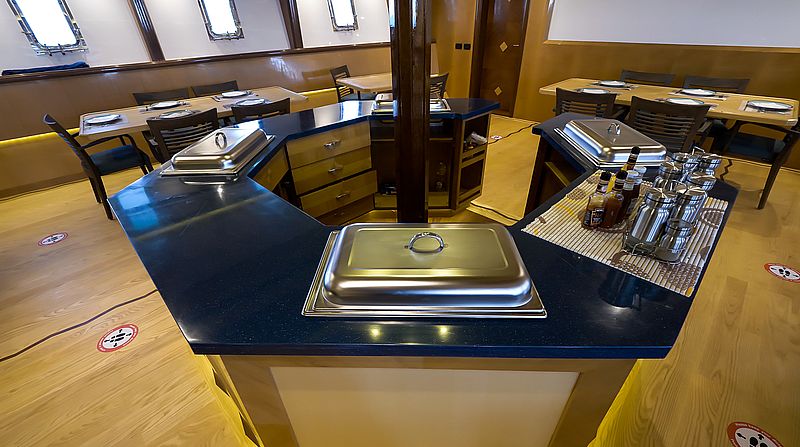
Impressionen: Golden Dolphin IV
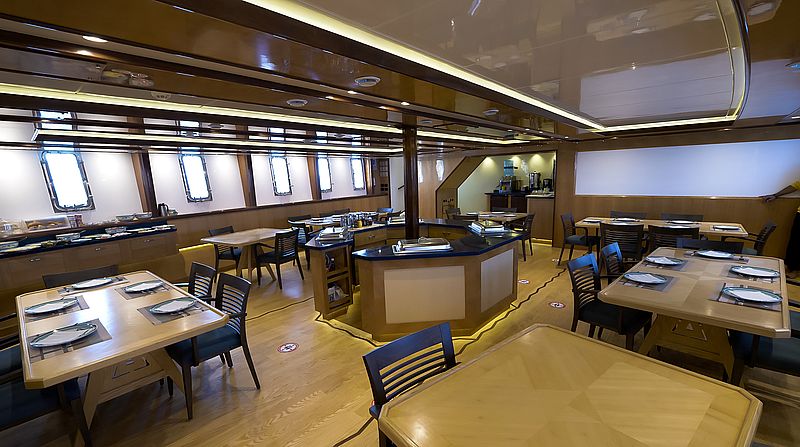
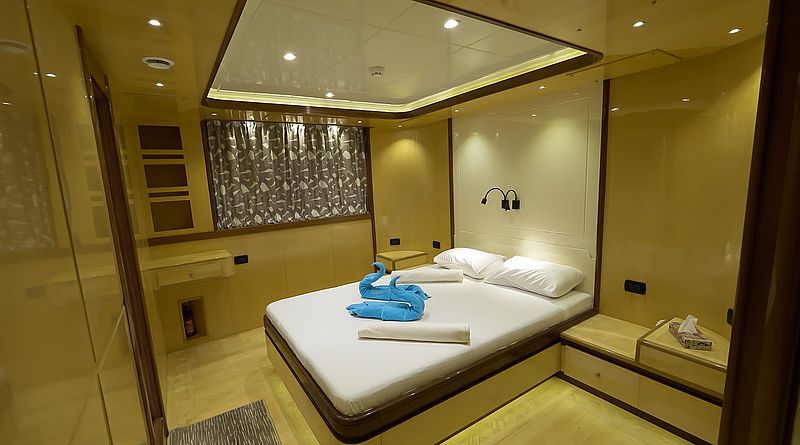
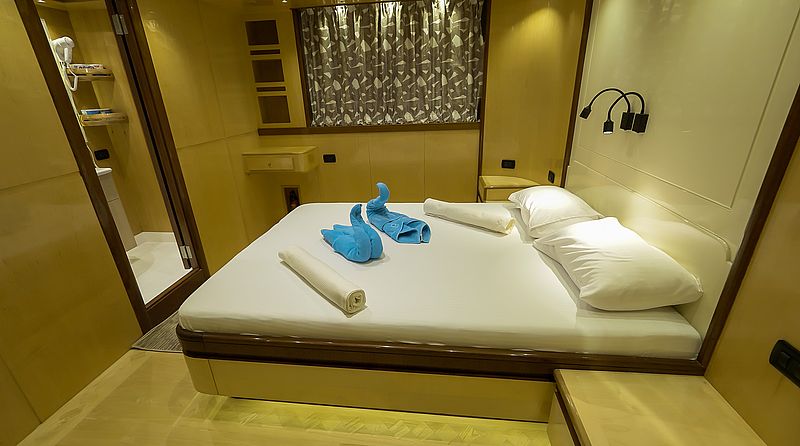
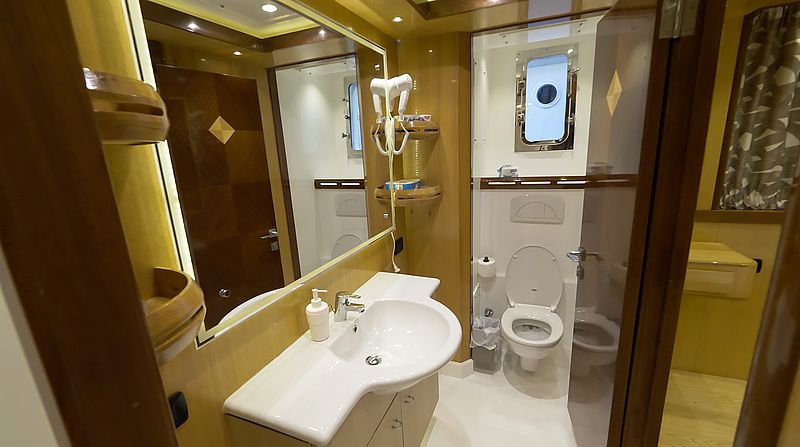
Angaben zum Schiff
Technische Daten des Bootes
Kabinentypen & Details
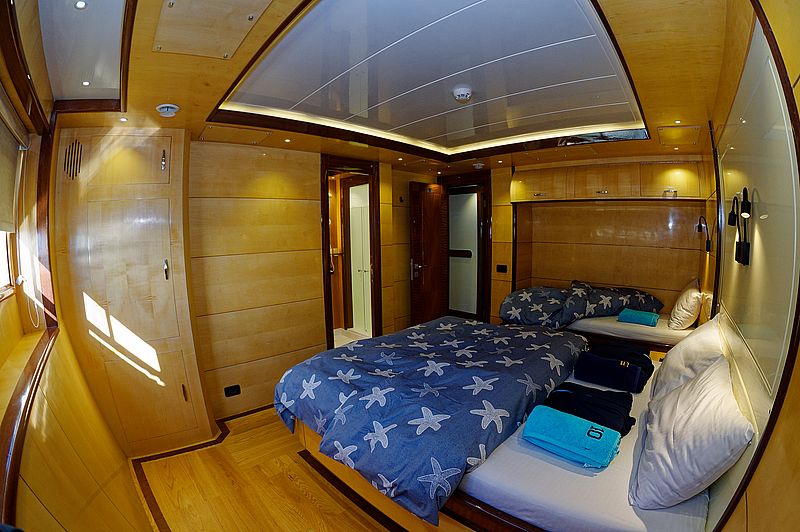
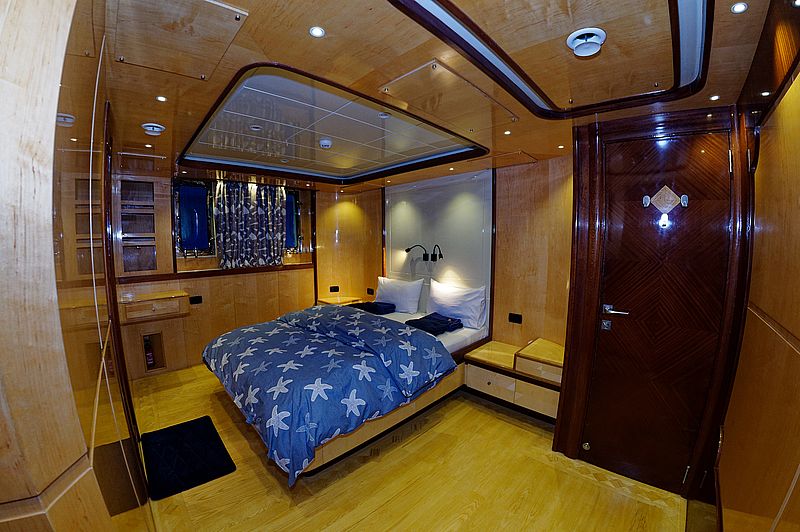
Double Lower deck
Kabintyp Details
Bathroom
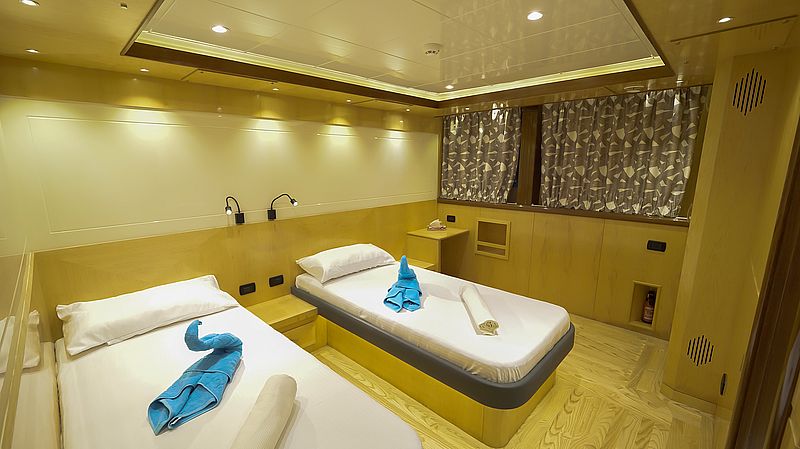
Twin Lower deck
Kabintyp Details
Bathroom
Double Main deck
Kabintyp Details
Bathroom
Twin Main deck
Kabintyp Details
Bathroom
Twin Upper deck
Kabintyp Details
Bathroom
Routen und Details
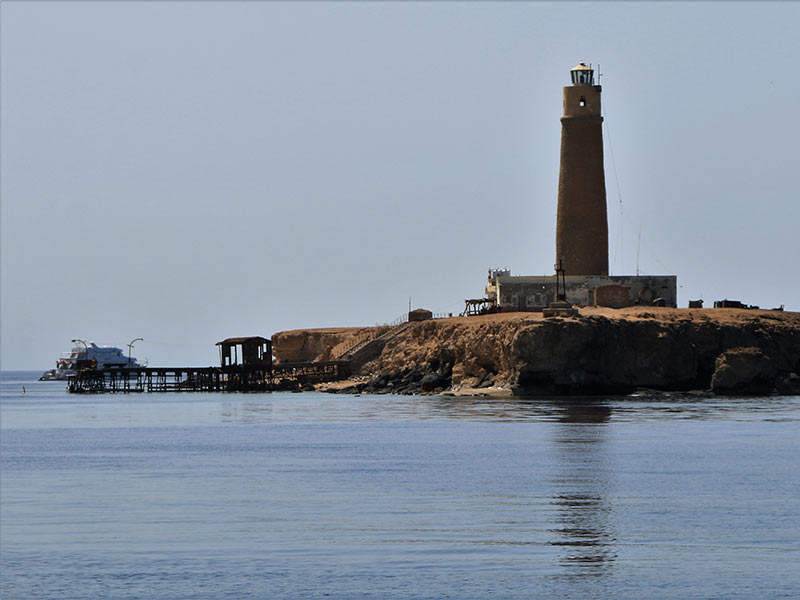
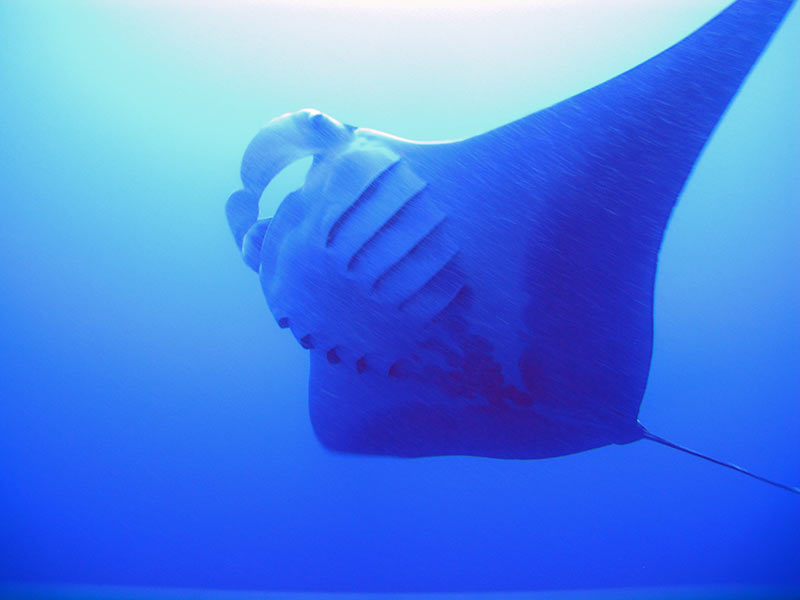
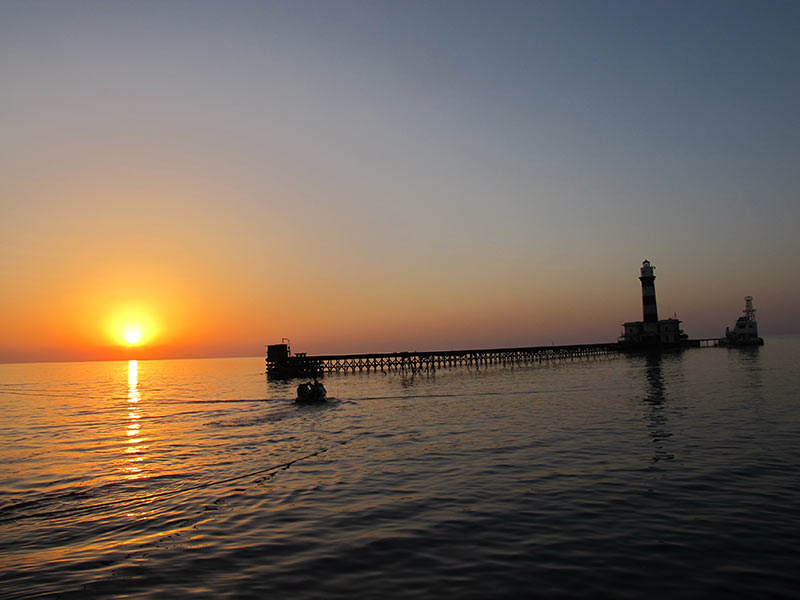
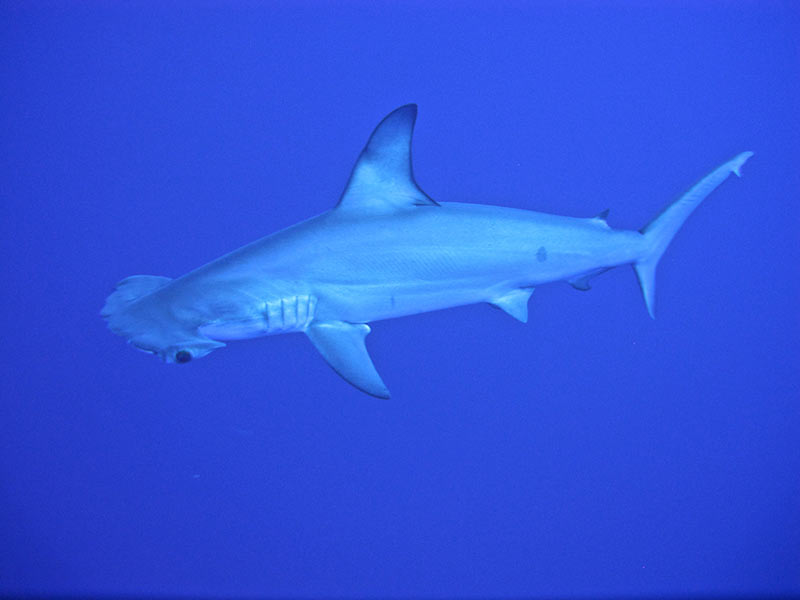
Brothers - Daedalus - Elphinstone
Mehr erfahren
Best of Red Sea
Mehr erfahren
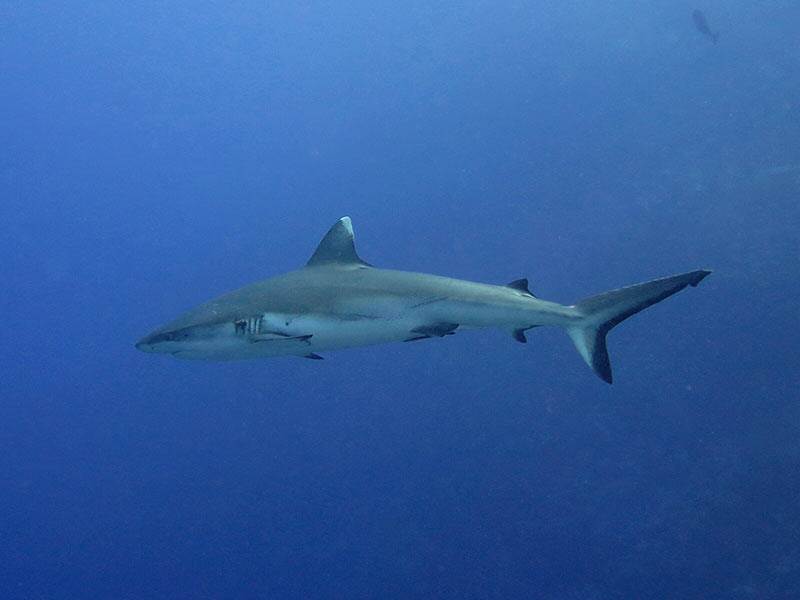
The reef of Elphinstone, a truly legendary reef, is one of the most beautiful reefs in the Red Sea, with its north and south plateau, and the walls covered in soft corals, black corals, wire corals and gorgonias. Hammerheads, oceanic whitetip sharks and grey reef sharks can also be spotted here.
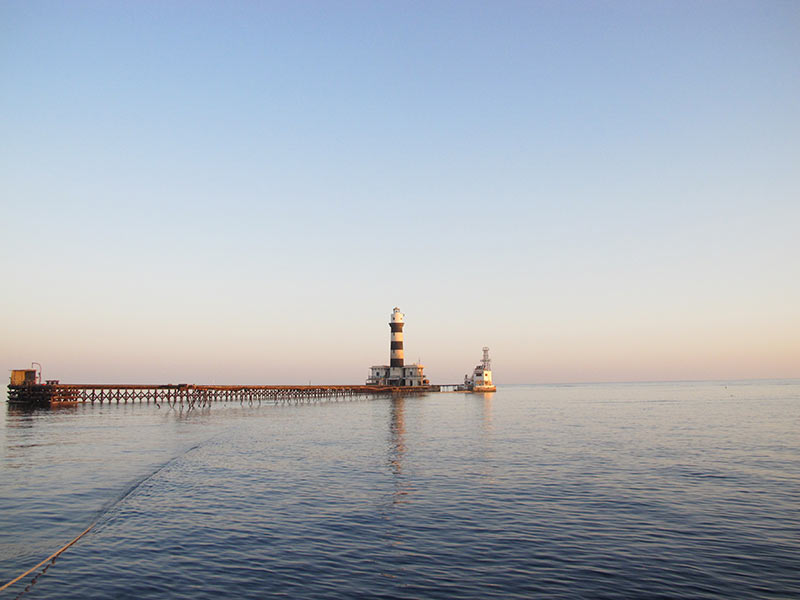
The Daedalus reef is a huge reef formation that lies at about 180 km south of Brother Islands. The reef is surrounded by a sheer wall all around, featuring a plateau on its southern side that goes from 28 m beside the reef to 40m on the edge of the drop off. If the weather is good, try to get as far north as possible and drift along one of the sides of the reef. Reef and hammerhead sharks are often spotted here. UW marine life is here more abundant than anywhere else, with schools of surgeons, fusiliers, carangids.
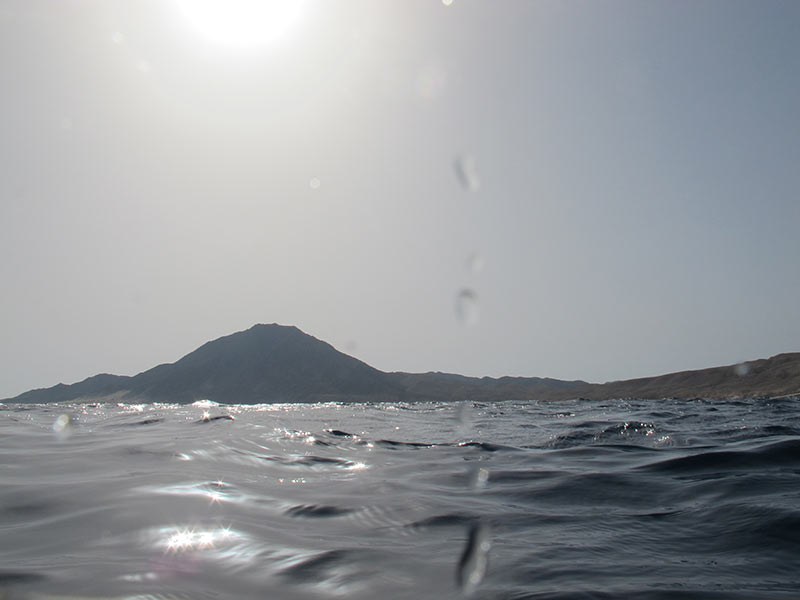
The Island of Zabargad is a superb dive spot. Here you can dive along walls, hover over drop offs or dive slowly in the shallow area, watching the big amount of reef fishes or inhabitants and admire the beautiful coral garden.
Rocky Island is a mysthical site that represents a diver’s dream. The indented reef that circles the entire perimeter of the island drops deeply to an astonished depth and the constant currents that flow all along the year favour the growth of different kinds of colorful marine life in a continuous struggle for a place on the reef. The walls are absolutely covered with the most beautiful soft corals, as well as gorgonias, fans, sponges and black coral trees. Because of its exponated situation everything seems to concentrate on the surroundings of this small island. Reef sharks, specially grey and silvertips, you can watch in the blue and may be manta rays, turtles and dolphins.
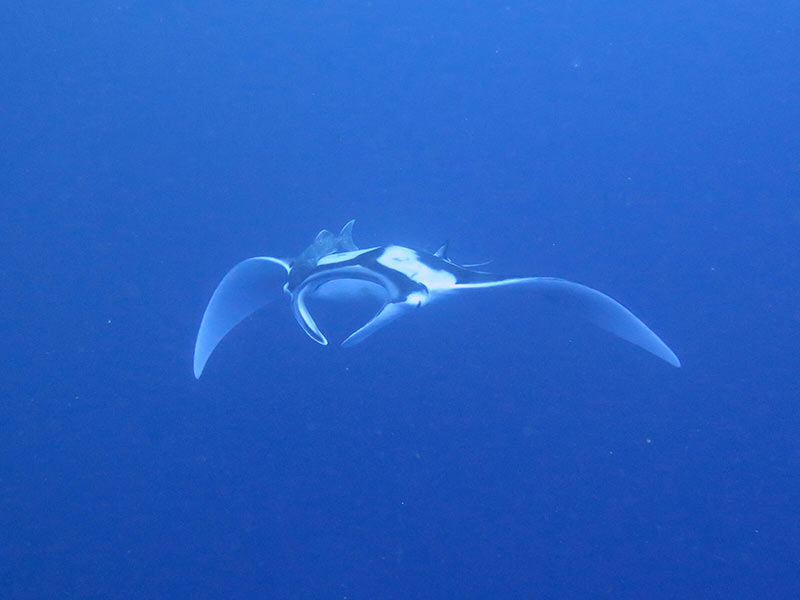
In the deep south of the Red Sea we find the St.Johns reefs. Big Habili and Small Habili with their fantastic drop offs overgrown with big gorginias and colorful bright soft corals promise you to be a fantastic dive. You find a lot of marine life at the reef itself and as well in the blue you may see barracudas, different sharks, sometimes dolphins or manta passing by. Umm Erug seems to be the place of unusual coral blocks. Next to the main reef in a depth of 12m to 30m you find many different block formations who remind you of everyday life`s figures. Schools of small reef fishes, camouflage artists and small critters you can explore. Around two hours drive to the north there is the area of St.Johns Cave. The name cave is program and Umm Hararim impresses of its unique cave and canyon system. The main reef surrounded by a beautiful hard coral garden is on its south-west side full of holes like a Swiss cheese. In shallow water you can dive through the open passages to see the light show of the sun and the nice soft corals growing inside.
The tour descriptions (dive sites) are samples. Depending on the weather conditions and the quality of the divers other dive sites can be choosen.
2 weeks: Brother Islands - Daedalus - Rocky Island - Zabargad - St. Johns - Abu Fendera - Safaga
Rocky Island – Zabargad – Elba Reef (Sudan Border) – St. Johns
North including Strait of Tiran and Dahab
South till Dolphin Reef
Mehr erfahren
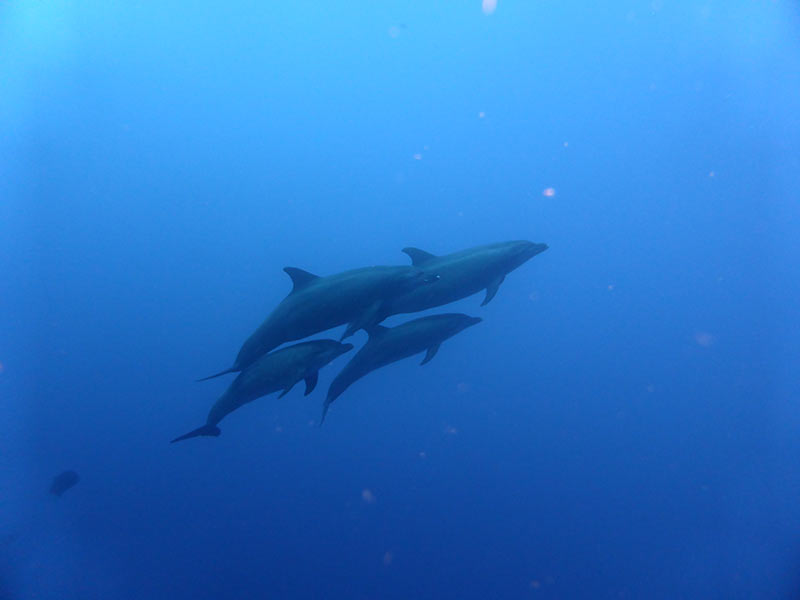
Das Plateau auf der Ostseite, das von 18 bis 32 m Tiefe reicht, ist mit seinen Korallenblöcken die Heimat zahlreicher Meeresbewohner. Doktorfische, verschiedene Arten von Rifffischen, Napoleons und kleine Kreaturen - sehr oft sieht man eine Schildkröte beim Fressen und Ausruhen. Das Plateau setzt sich an der Südseite des Hauptriffs in kleiner Form fort. Delfine, Haie und Mantas patrouillieren entlang des Riffs im Blau. Shilineat im Wadi Gimal ist das Aquarium. Entlang des schönen Hartkorallengartens an der Westseite und in den vielen Blöcken im Sandbereich neben dem Riff kann man nach Tarnkünstlern und Kleintieren stöbern. In maximal 16m und mit dem weißen Sand und dem Sonnenlicht ist es erstaunlich und voll von kleinen Fischen und Arten. Sehr oft sind auch Schildkröten oder Delfine zu sehen.
Südlich von Hamata befindet sich das große Gebiet der Fury Shoals. Die Riffe liegen nahe beieinander, sind aber auch sehr unterschiedlich und laden zum Tauchen ein. In Abu Galawa Soraya gibt es ein kleines Wrack, ein in den 80er Jahren gesunkenes Segelboot, das voller Weichkorallen und Heimat vieler Glasfische ist. Auf der Nordseite kann man über fantastische Hartkorallenformationen tauchen und in ein Theater mit Sandboden eintauchen und die Wände drum herum sind bunte Hartkorallenblöcke mit vielen Mördermuscheln in verschiedenen Größen. Auch Abu Galawa Kebir beherbergt ein Wrack. Der chinesische Lastkahn mit dem Namen TIEN HSING sank 1943 und liegt zwischen 5 und 16 m Tiefe direkt am Riff und ist mittlerweile ein Teil davon. Shaab Claudio macht Spaß! Dort gibt es Höhlen, Canyons, Öffnungen und Passagen in 5 bis 16 Metern Tiefe. Es ist einfach zu tauchen und voll von Meereslebewesen. In der Nähe von Shaab Claudio befindet sich El Malahi, der Spielplatz für Kinder. Die einzelnen Korallentürme stehen dicht beieinander, sind mit Hartkorallen bewachsen und laden dazu ein, die kleinen Überhänge und Passagen zu erkunden. Blaue Füsiliere und andere Rifffische halten sich um die Blöcke herum im Sonnenlicht auf. Shaab Maksur ist ein kleines, aber langgestrecktes Riff mit einem Plateau im Norden und Süden und Steilabfällen an der West- und Ostseite. Am nördlichen terrassenförmigen Plateau kann man oft Delfine, Barrakudas oder Riffhaie vorbeiziehen sehen. Das Südplateau mit seinen größeren Korallenblöcken ist Heimat für viele Arten. Der südöstlichste Punkt der Fury Shoals ist Shaab Sataya. Die hufeisenförmige, riesige Lagune beherbergt Delfine und an der Südseite des Riffs befindet sich ein schönes, flaches Plateau mit Korallengärten und -blöcken, das in einem Drop Off endet.
Die Tourbeschreibungen (Tauchplätze) sind Beispiele. Abhängig von den Wetterbedingungen und der Qualität der Taucher können auch andere Tauchplätze angefahren werden.
10 days: Best of the Red Sea
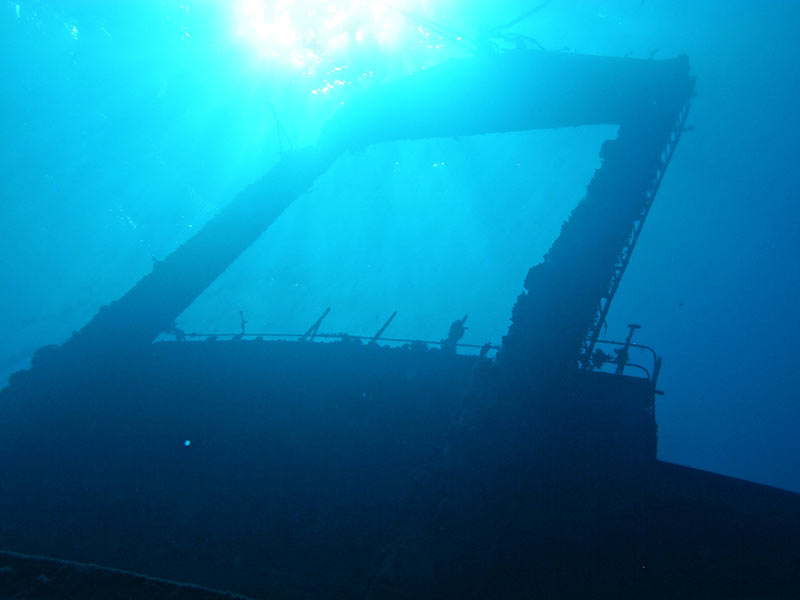
North - Strait of Tiran
Mehr erfahren
Deadalus - Fury Shoals
Mehr erfahren
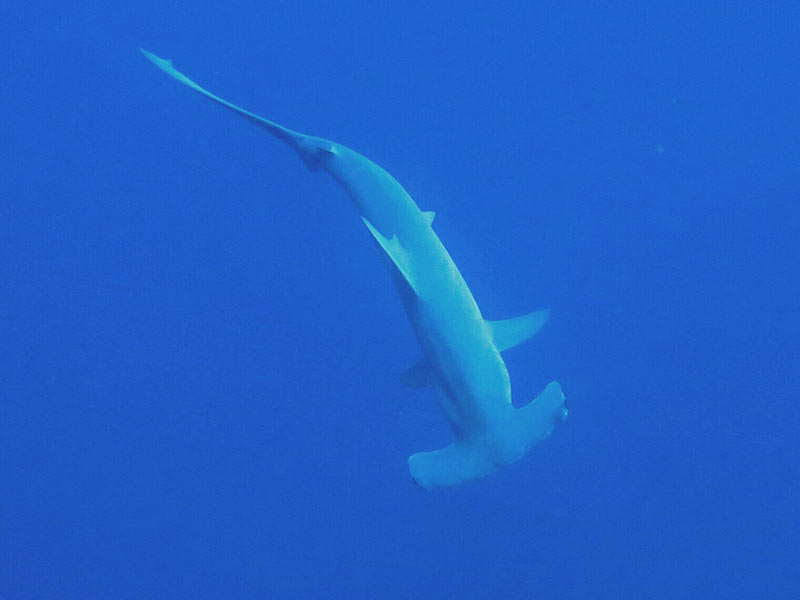
The Daedalus reef is a huge reef formation that lies at about 180 km south of Brother Islands. The reef is surrounded by a sheer wall all around, featuring a plateau on its southern side that goes from 28 m beside the reef to 40m on the edge of the drop off. If the weather is good, try to get as far north as possible and drift along one of the sides of the reef. Reef and hammerhead sharks are often spotted here. UW marine life is here more abundant than anywhere else, with schools of surgeons, fusiliers, carangids.
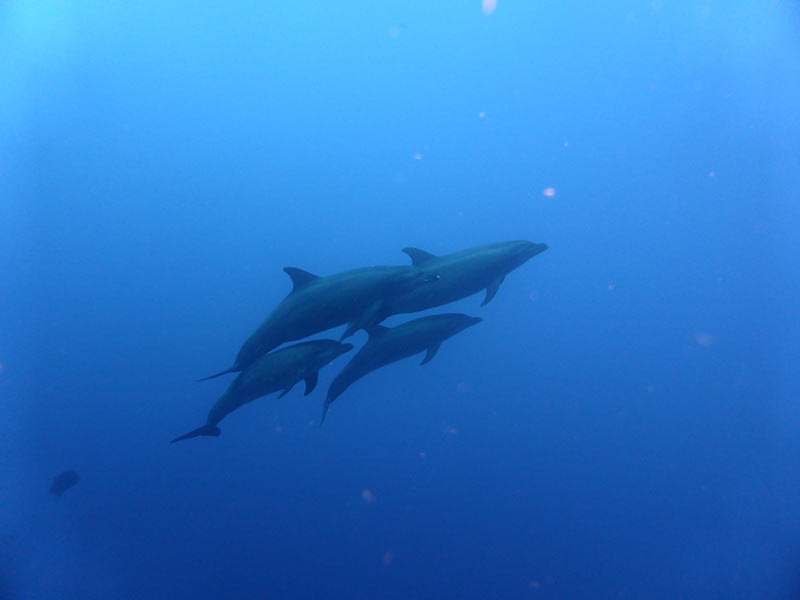
Fury Shoals is in southern Egyptian part of the Red Sea and a Mecca for dolphins. Here are tons of beautiful reefs with thousands of colorful fishes. The biological diversity on corals, both hard and soft, is astonishing. Diving varies from easy to quite challenging depending where one dives such as Sha’ab Maksour with drop off and drift dives, Sha’ab Claudio with caves and his local Napoleon that greets our guests most of the time. Sha’ab Sharm offers a good observation point for viewing passing sharks.
Photogenic wrecks can be found at Abu Galawa and not to forget the main spot at the Fury Shoal, Sataya, the dolphin reef with it’s easy dives and snorkeling possibility.
The tour descriptions (dive sites) are samples. Depending on the weather conditions and the quality of the divers other dive sites can be chosen.