Impressions: Golden Dolphin IV
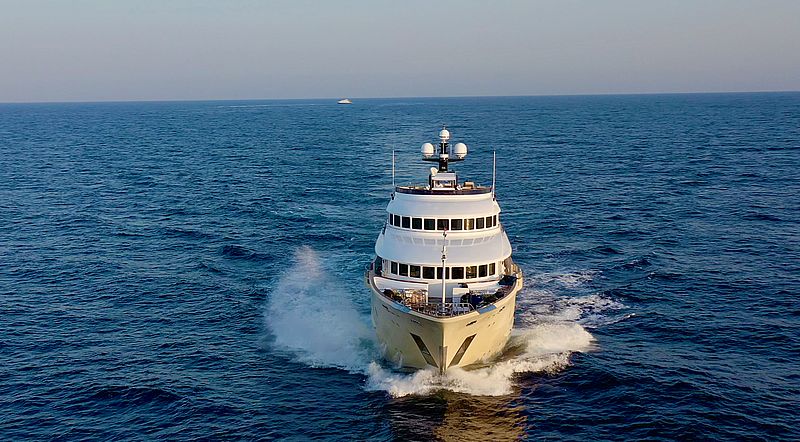
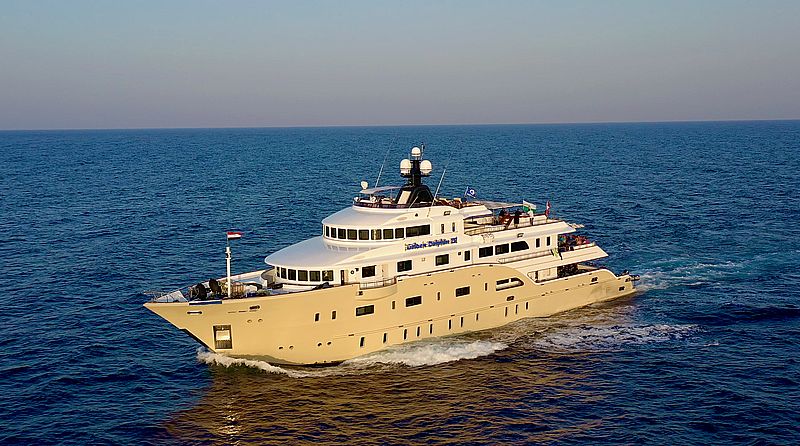
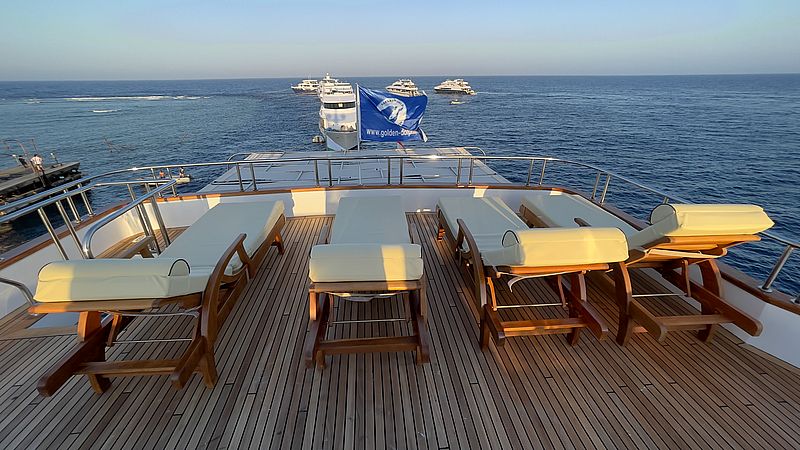
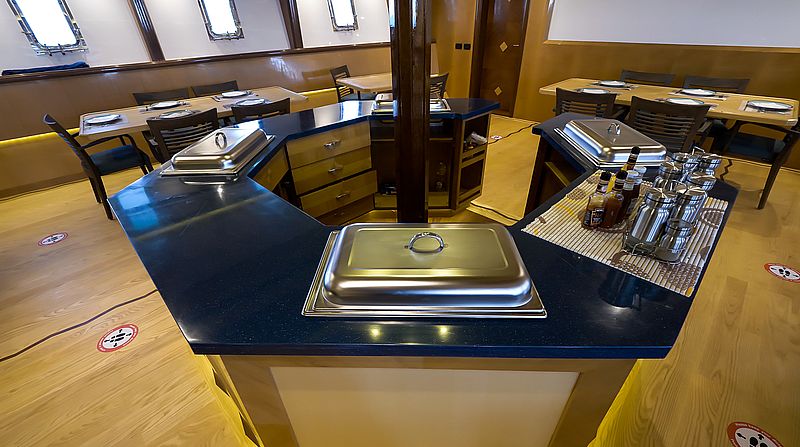
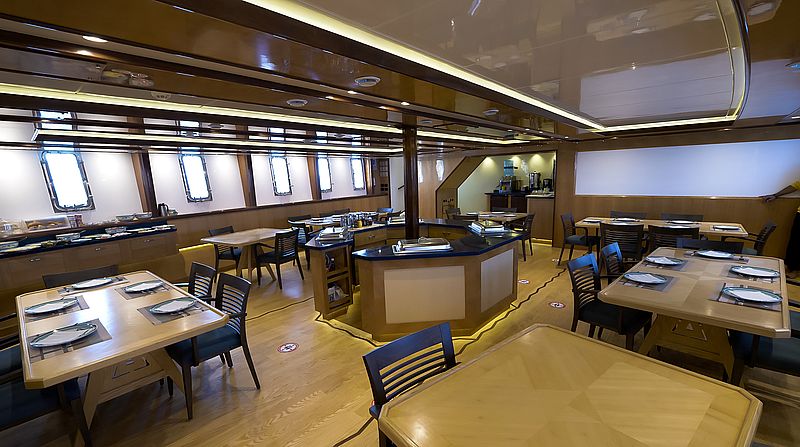
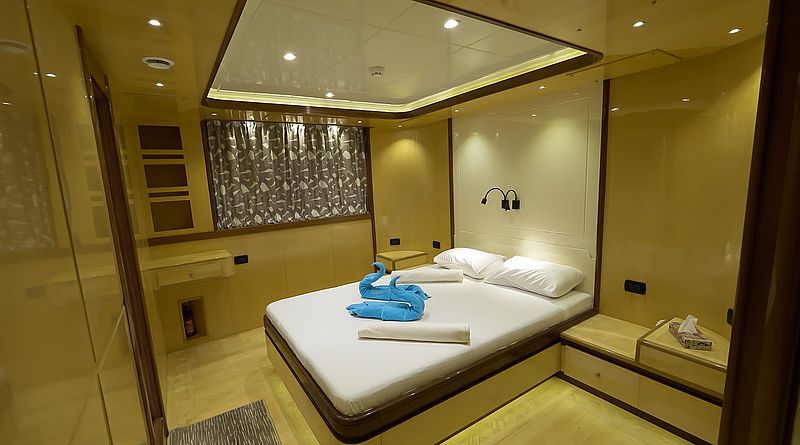
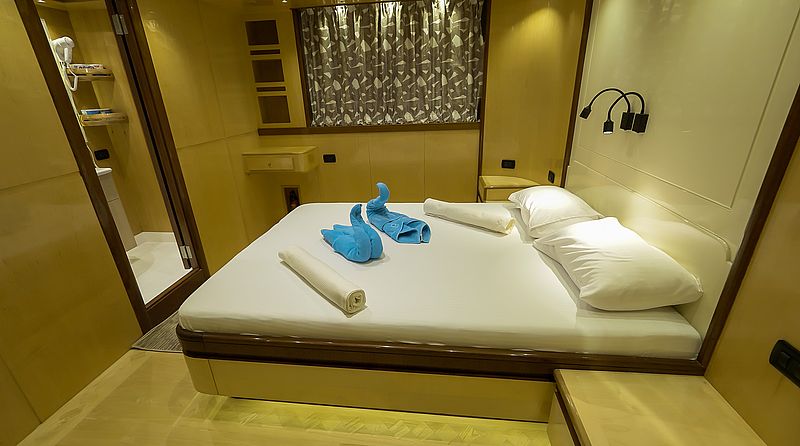
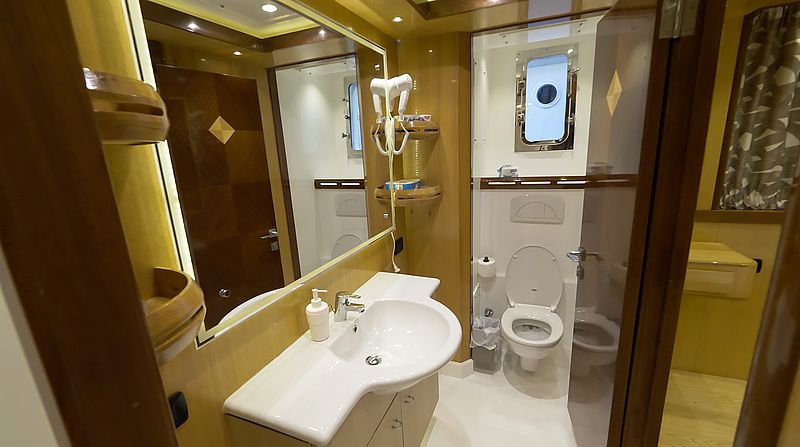
Équipement et détails
Spécifications techniques du bateau
Types de cabines & informations détaillées
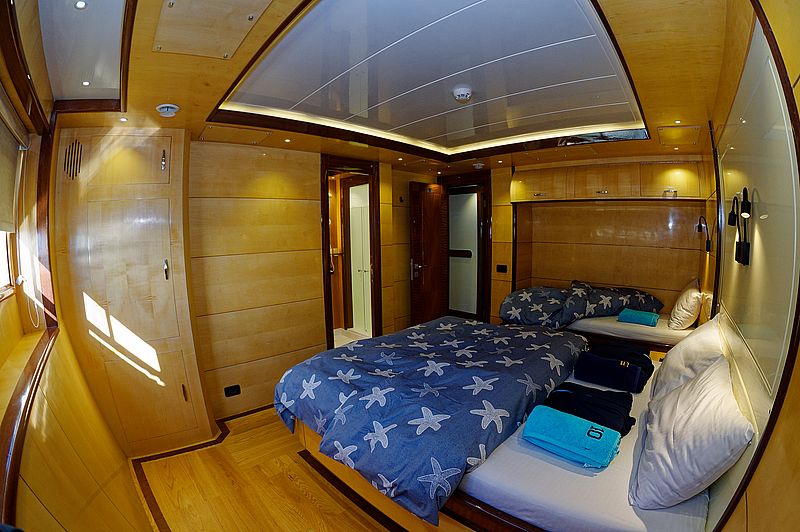
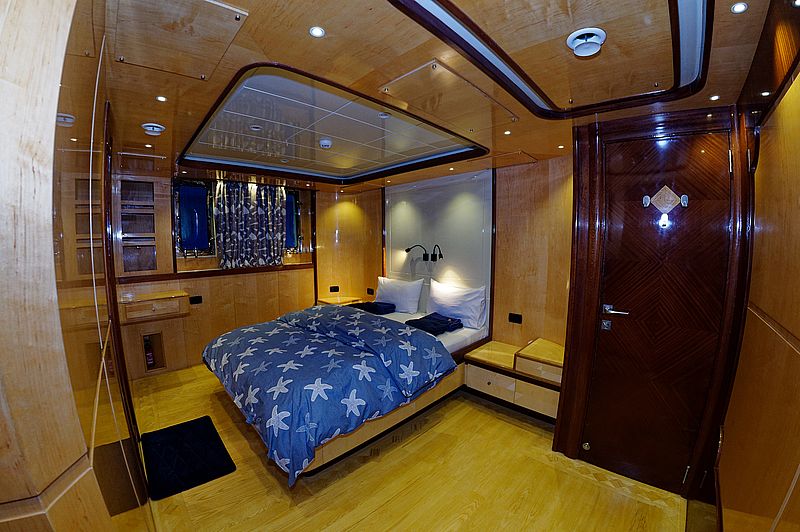
Double Lower deck
Informations sur le type de cabine
Salle de bain
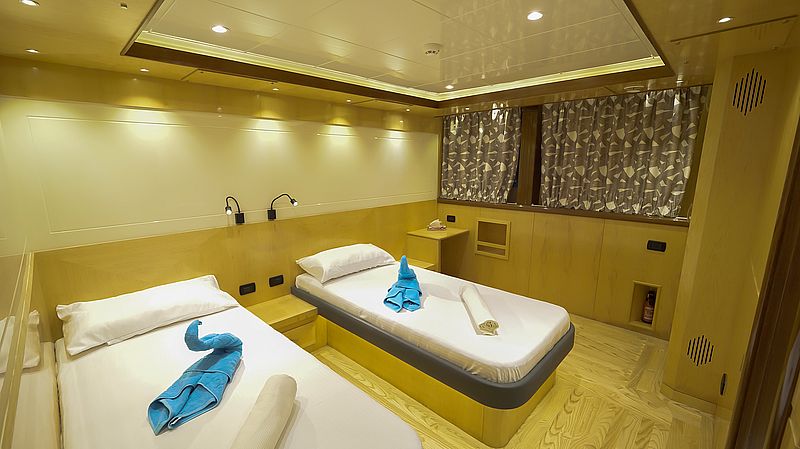
Twin Lower deck
Informations sur le type de cabine
Salle de bain
Double Main deck
Informations sur le type de cabine
Salle de bain
Twin Main deck
Informations sur le type de cabine
Salle de bain
Twin Upper deck
Informations sur le type de cabine
Salle de bain
Itinéraires et informations
Brothers - Daedalus - Elphinstone
En savoir plus
Best of Red Sea
En savoir plus
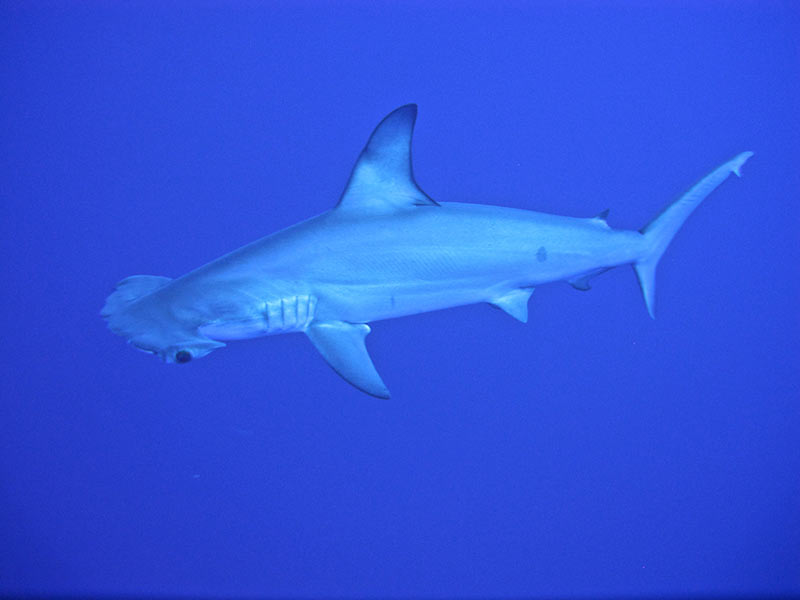
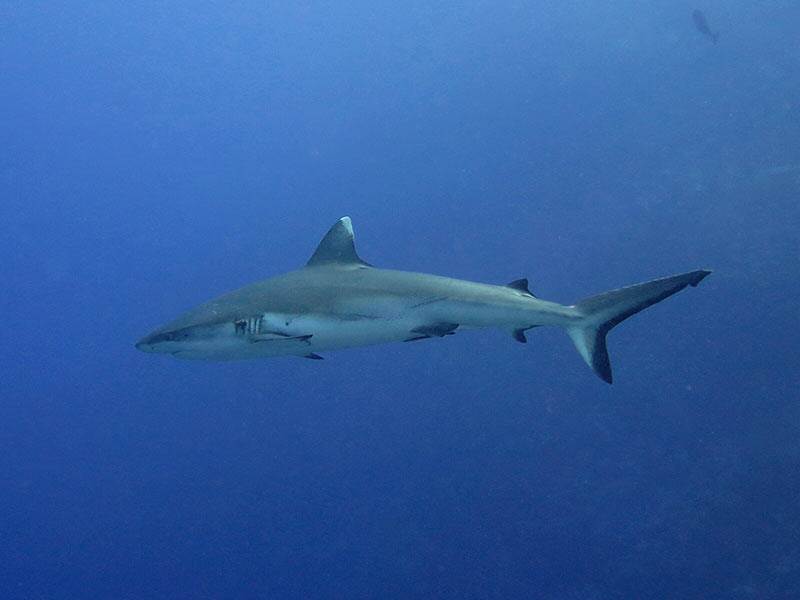
The reef of Elphinstone, a truly legendary reef, is one of the most beautiful reefs in the Red Sea, with its north and south plateau, and the walls covered in soft corals, black corals, wire corals and gorgonias. Hammerheads, oceanic whitetip sharks and grey reef sharks can also be spotted here.
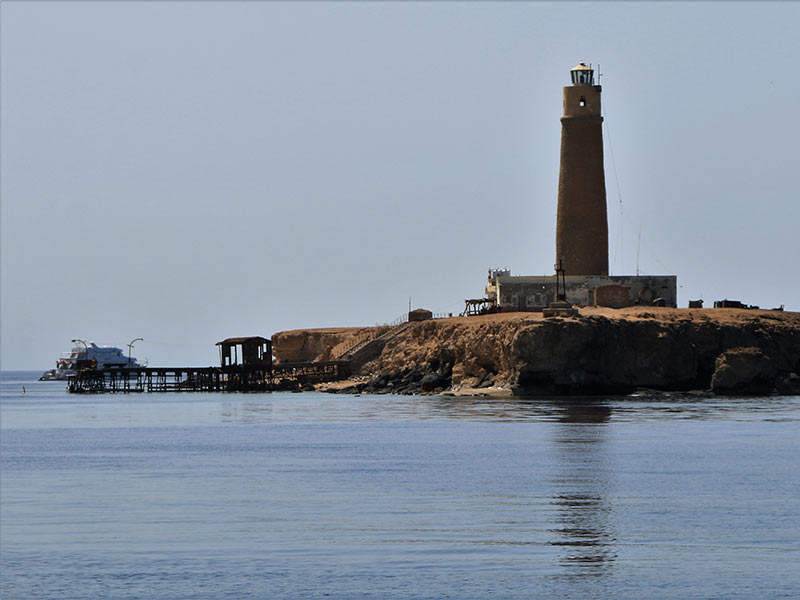
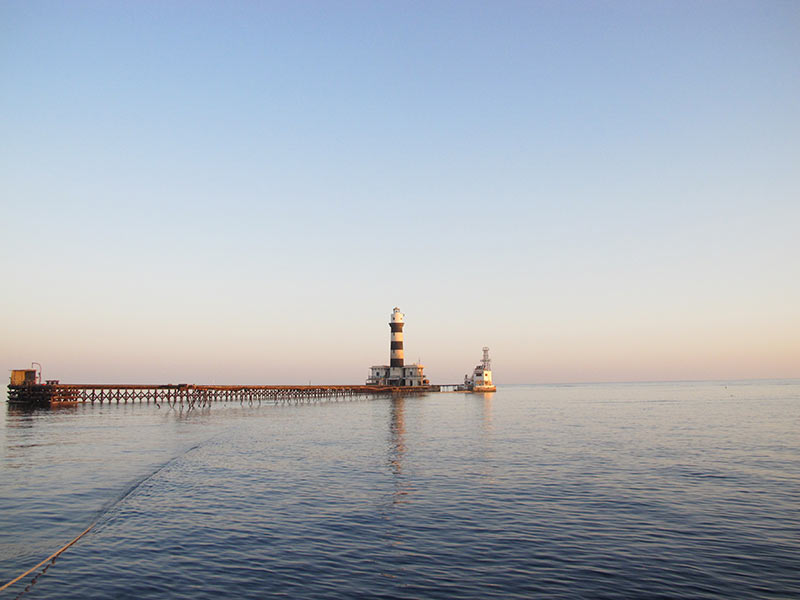
The Daedalus reef is a huge reef formation that lies at about 180 km south of Brother Islands. The reef is surrounded by a sheer wall all around, featuring a plateau on its southern side that goes from 28 m beside the reef to 40m on the edge of the drop off. If the weather is good, try to get as far north as possible and drift along one of the sides of the reef. Reef and hammerhead sharks are often spotted here. UW marine life is here more abundant than anywhere else, with schools of surgeons, fusiliers, carangids.
The Island of Zabargad is a superb dive spot. Here you can dive along walls, hover over drop offs or dive slowly in the shallow area, watching the big amount of reef fishes or inhabitants and admire the beautiful coral garden.
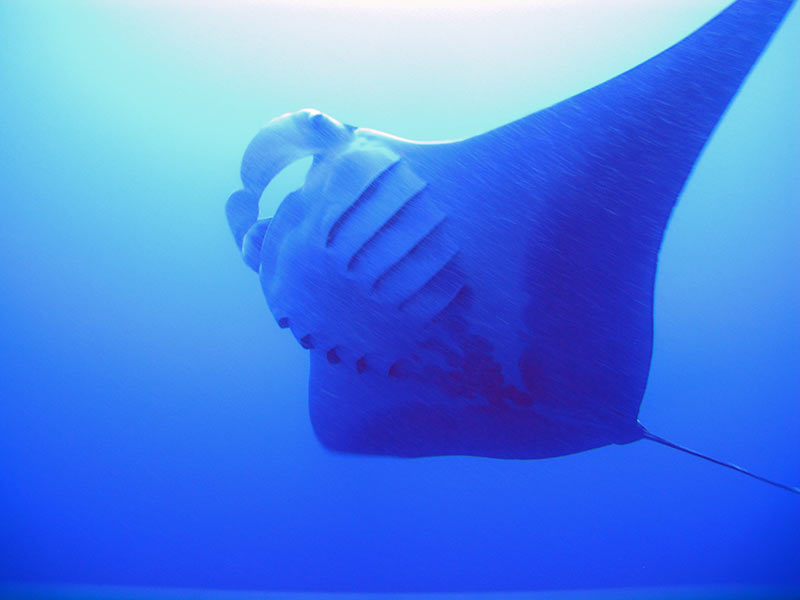
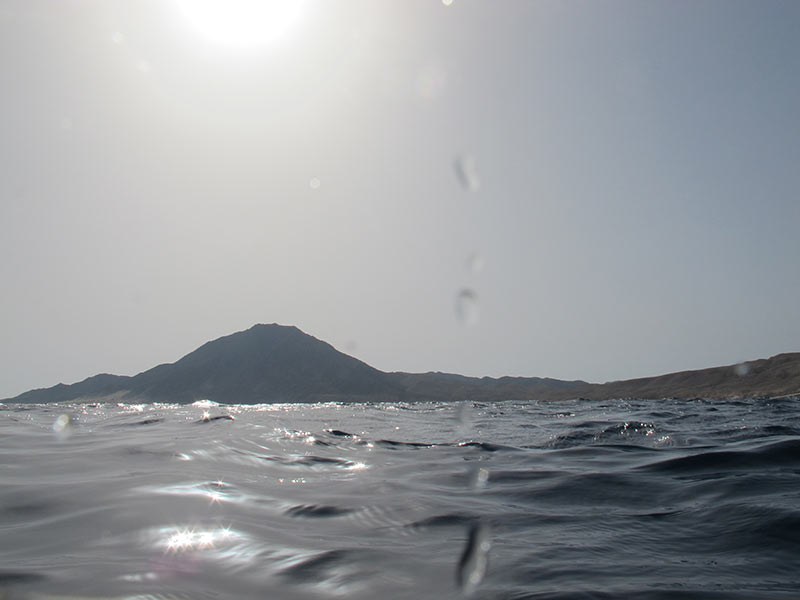
Rocky Island is a mysthical site that represents a diver’s dream. The indented reef that circles the entire perimeter of the island drops deeply to an astonished depth and the constant currents that flow all along the year favour the growth of different kinds of colorful marine life in a continuous struggle for a place on the reef. The walls are absolutely covered with the most beautiful soft corals, as well as gorgonias, fans, sponges and black coral trees. Because of its exponated situation everything seems to concentrate on the surroundings of this small island. Reef sharks, specially grey and silvertips, you can watch in the blue and may be manta rays, turtles and dolphins.
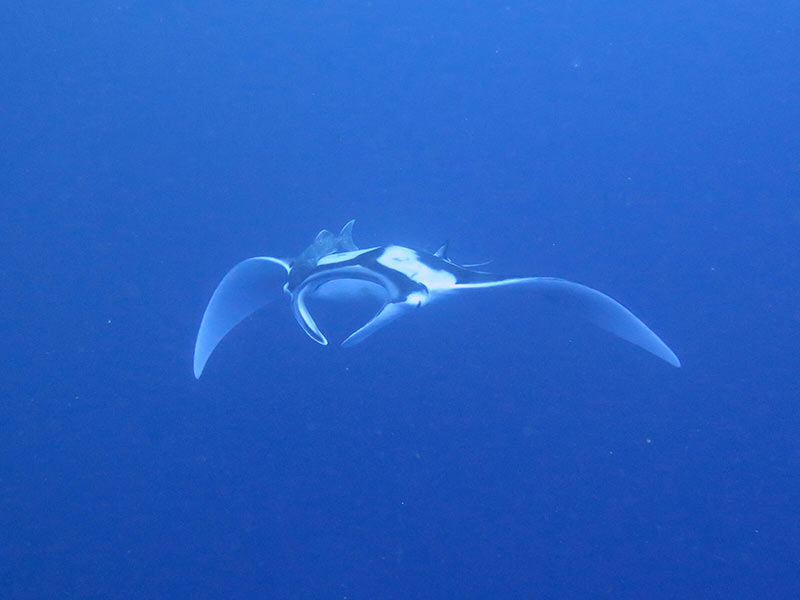
In the deep south of the Red Sea we find the St.Johns reefs. Big Habili and Small Habili with their fantastic drop offs overgrown with big gorginias and colorful bright soft corals promise you to be a fantastic dive. You find a lot of marine life at the reef itself and as well in the blue you may see barracudas, different sharks, sometimes dolphins or manta passing by. Umm Erug seems to be the place of unusual coral blocks. Next to the main reef in a depth of 12m to 30m you find many different block formations who remind you of everyday life`s figures. Schools of small reef fishes, camouflage artists and small critters you can explore. Around two hours drive to the north there is the area of St.Johns Cave. The name cave is program and Umm Hararim impresses of its unique cave and canyon system. The main reef surrounded by a beautiful hard coral garden is on its south-west side full of holes like a Swiss cheese. In shallow water you can dive through the open passages to see the light show of the sun and the nice soft corals growing inside.
The tour descriptions (dive sites) are samples. Depending on the weather conditions and the quality of the divers other dive sites can be choosen.
2 weeks: Brother Islands - Daedalus - Rocky Island - Zabargad - St. Johns - Abu Fendera - Safaga
Rocky Island – Zabargad – Elba Reef (Sudan Border) – St. Johns
North including Strait of Tiran and Dahab
South till Dolphin Reef
En savoir plus
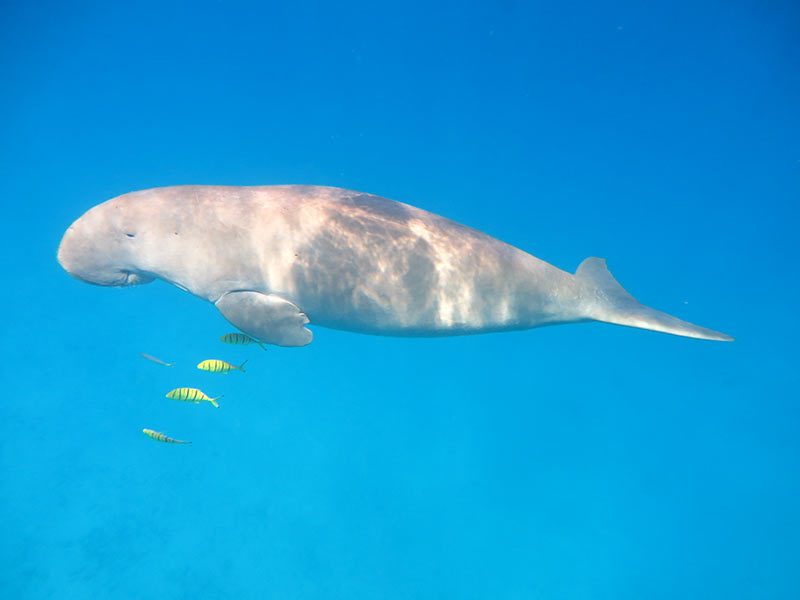
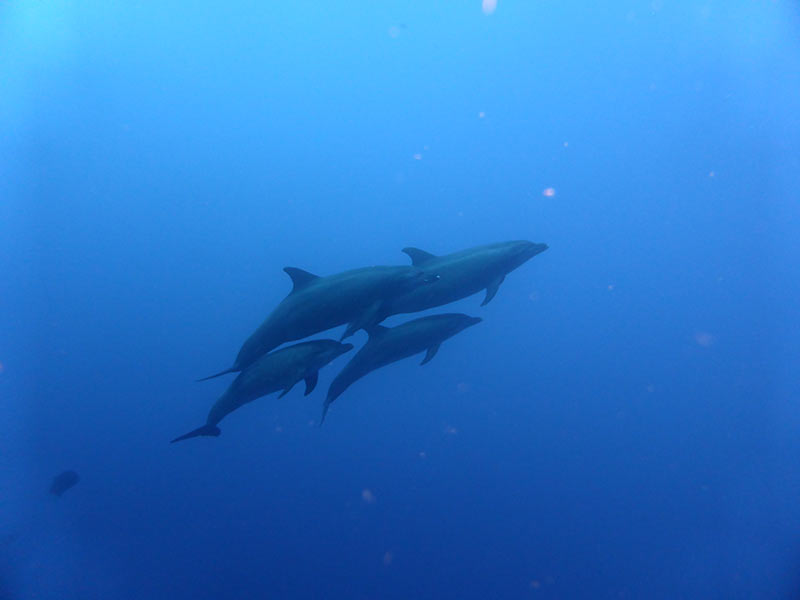
Le plateau du côté est, à partir d'une profondeur de 18 à 32 mètres, avec ses formations de blocs de corail, est l'habitat de beaucoup de vie marine. Des poissons docteurs, différentes sortes de poissons de récif, des napoléons et des petites bestioles - très souvent vous voyez une tortue en train de manger et de se reposer. Le plateau continue petit le long du côté sud du récif principal. Des dauphins, des requins et des mantas patrouillent le long du récif dans le bleu. Shilineat à Wadi Gimal est l'aquarium. Le long du beau jardin de corail dur sur le côté ouest et dans la grande quantité de blocs dans la zone sablonneuse à côté du récif, vous pouvez fouiller pour les artistes de camouflage et les petites créatures. A une profondeur maximale de 16m, avec le sable blanc et la lumière du soleil, le récif est étonnant et plein de petits poissons et d'espèces. Très souvent il y a des tortues ou des dauphins autour.
Au sud de Hamata se trouve la grande zone des Fury Shoals. Les récifs sont proches les uns des autres mais aussi très différents pour la plongée. A Abu Galawa Soraya, il y a une petite épave, un voilier qui a coulé dans les années 80. Elle est pleine de coraux mous et abrite de nombreux poissons de verre. Sur le côté nord, vous pouvez plonger sur de fantastiques formations de corail dur et entrer dans un théâtre avec un fond sablonneux et les murs autour sont des blocs de corail dur colorés avec de nombreuses moules meurtrières de différentes tailles. Abu Galawa Kebir abrite également une épave. La barge chinoise nommée TIEN HSING a coulé en 1943 et repose entre 5 et 16 mètres de profondeur directement sur le récif, dont elle fait partie. Shaab Claudio s'amuse ! Il y a des grottes, des canyons, des ouvertures et des passages entre 5 et 16 mètres de profondeur. C'est facile à plonger et plein de vie marine. Près de Shaab Claudio se trouve El Malahi, le terrain de jeu des enfants. Les tours de corail simple restent proches les unes des autres, envahies de coraux durs, et invitent à se promener pour découvrir les petits surplombs et les passages. Les fusiliers bleus et autres poissons de récifs restent autour des blocs à la lumière du soleil. Shaab Maksur est un petit mais long récif avec un plateau au nord et au sud et des tombants à l'ouest et à l'est. Sur le plateau nord en terrasse, vous pouvez souvent voir passer des dauphins, des barracudas ou des requins de récif. Le plateau sud, avec ses plus gros blocs de corail, abrite de nombreuses espèces. Le point sud-est de Fury Shoals est Shaab Sataya. En forme de fer à cheval, l'immense lagon abrite des dauphins et, sur le côté sud du récif, un beau plateau peu profond avec des jardins et des blocs de corail se termine par un tombant.
Les descriptions des circuits (sites de plongée) sont des échantillons. En fonction des conditions météorologiques et de la qualité des plongeurs, d'autres sites de plongée peuvent être choisis.
10 days: Best of the Red Sea
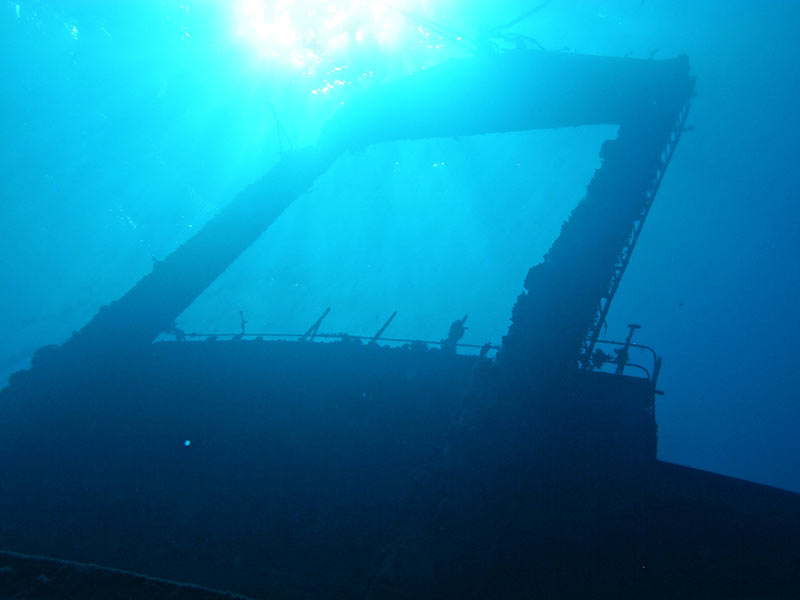
North - Strait of Tiran
En savoir plus
Deadalus - Fury Shoals
En savoir plus
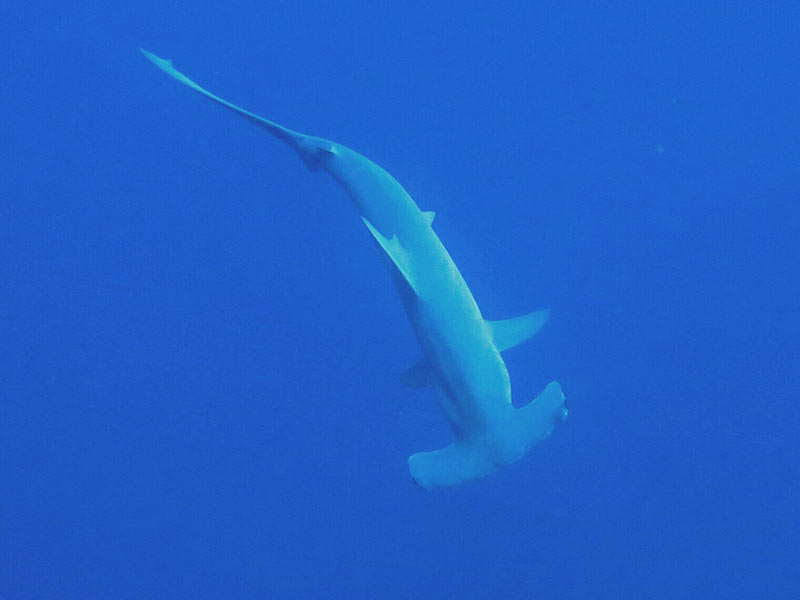
The Daedalus reef is a huge reef formation that lies at about 180 km south of Brother Islands. The reef is surrounded by a sheer wall all around, featuring a plateau on its southern side that goes from 28 m beside the reef to 40m on the edge of the drop off. If the weather is good, try to get as far north as possible and drift along one of the sides of the reef. Reef and hammerhead sharks are often spotted here. UW marine life is here more abundant than anywhere else, with schools of surgeons, fusiliers, carangids.
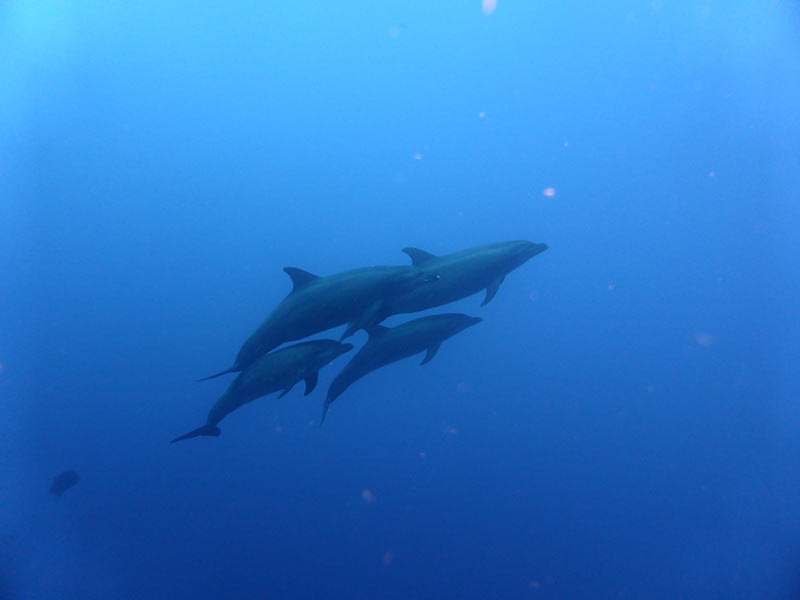
Fury Shoals is in southern Egyptian part of the Red Sea and a Mecca for dolphins. Here are tons of beautiful reefs with thousands of colorful fishes. The biological diversity on corals, both hard and soft, is astonishing. Diving varies from easy to quite challenging depending where one dives such as Sha’ab Maksour with drop off and drift dives, Sha’ab Claudio with caves and his local Napoleon that greets our guests most of the time. Sha’ab Sharm offers a good observation point for viewing passing sharks.
Photogenic wrecks can be found at Abu Galawa and not to forget the main spot at the Fury Shoal, Sataya, the dolphin reef with it’s easy dives and snorkeling possibility.
The tour descriptions (dive sites) are samples. Depending on the weather conditions and the quality of the divers other dive sites can be chosen.