Vivax

Vivax – Expeditions-Tauchsafari in Kolumbien.
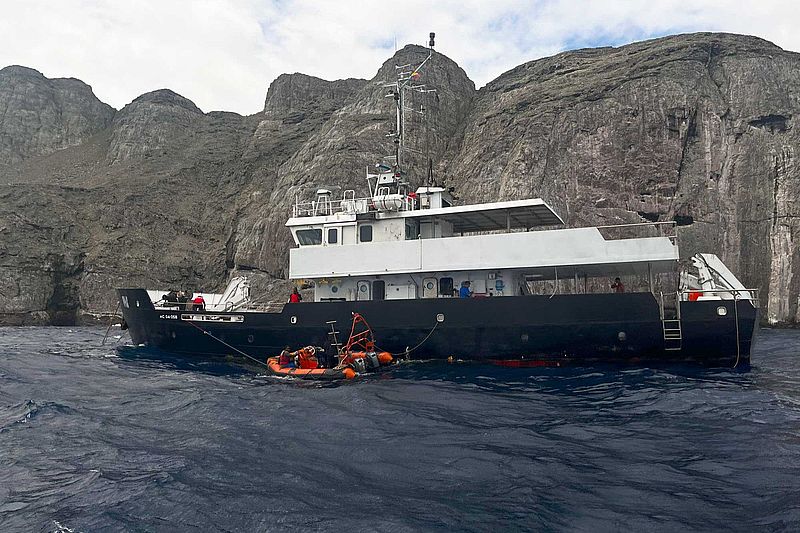
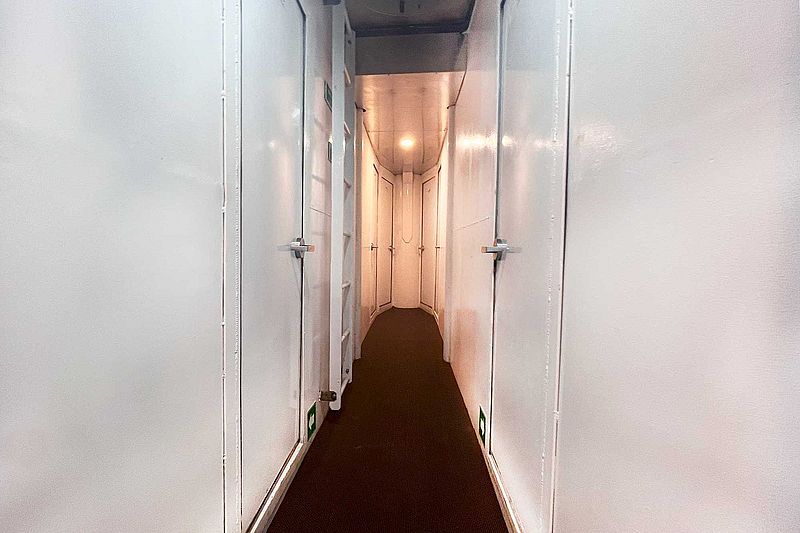
Die Vivax ist ein robustes Expeditions-Liveaboard für Tauchsafaris im kolumbianischen Pazifik, insbesondere zu Malpelo und Gorgona. Das Schiff ist etwa 33 Meter lang und bietet Platz für rund 12 Gäste in ca. 10 komfortablen Kabinen mit eigenem Bad.
Mehr erfahren

Die Vivax ist ein speziell für Expeditions-Tauchsafaris im kolumbianischen Pazifik konzipiertes Liveaboard. Das etwa 33 Meter lange Stahlschiff wurde für lange Offshore-Einsätze im offenen Ozean gebaut und ist entsprechend robust, sicher und funktional ausgelegt – ideal für anspruchsvolle Tauchbedingungen mit starken Strömungen.

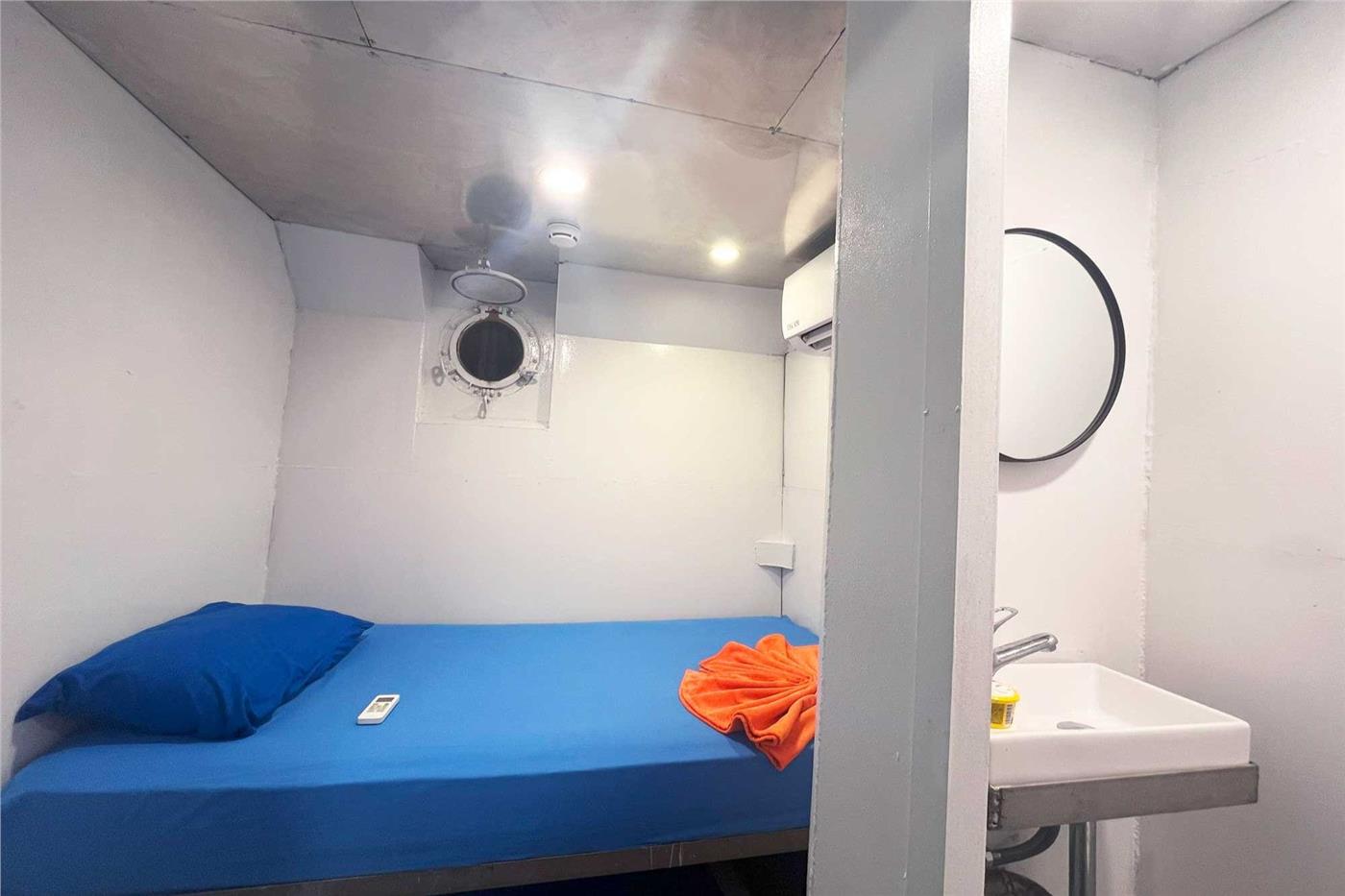
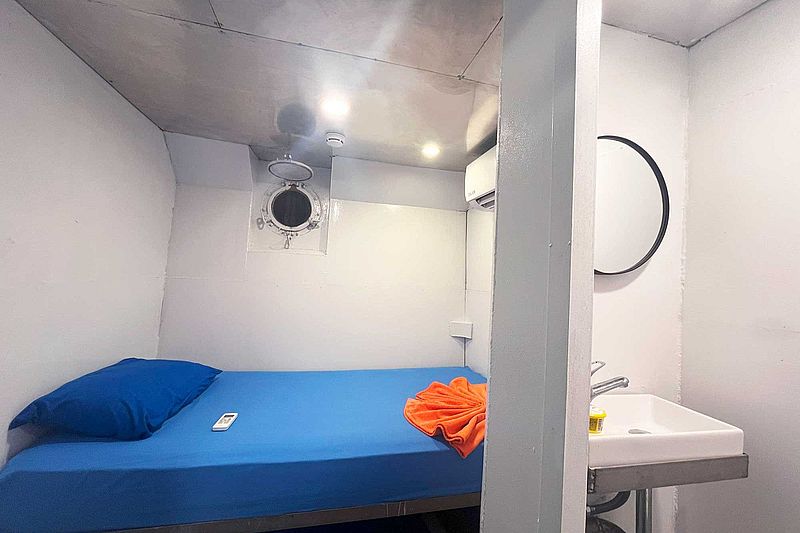
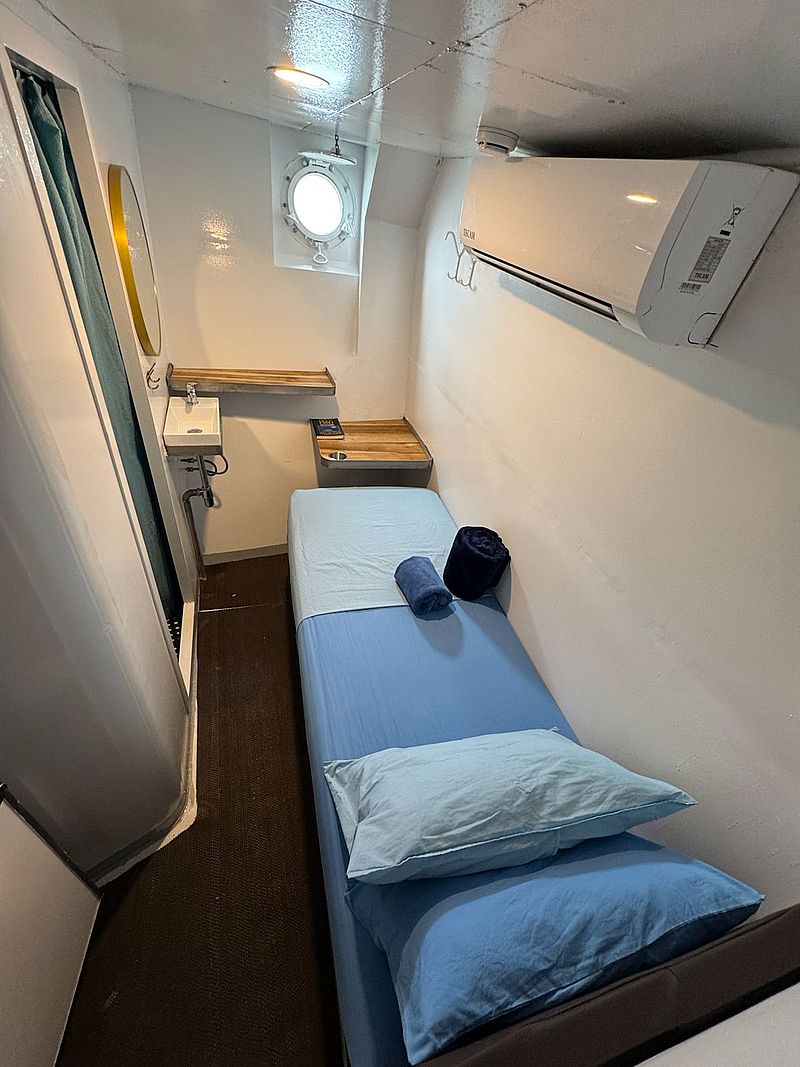
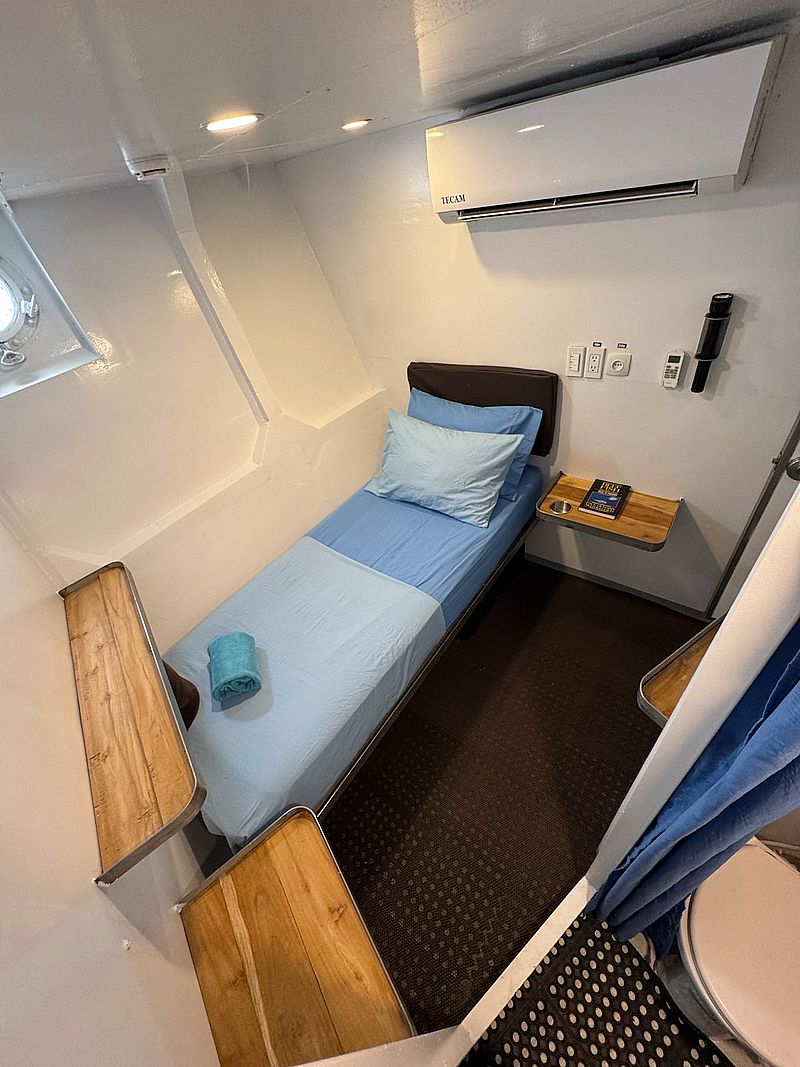
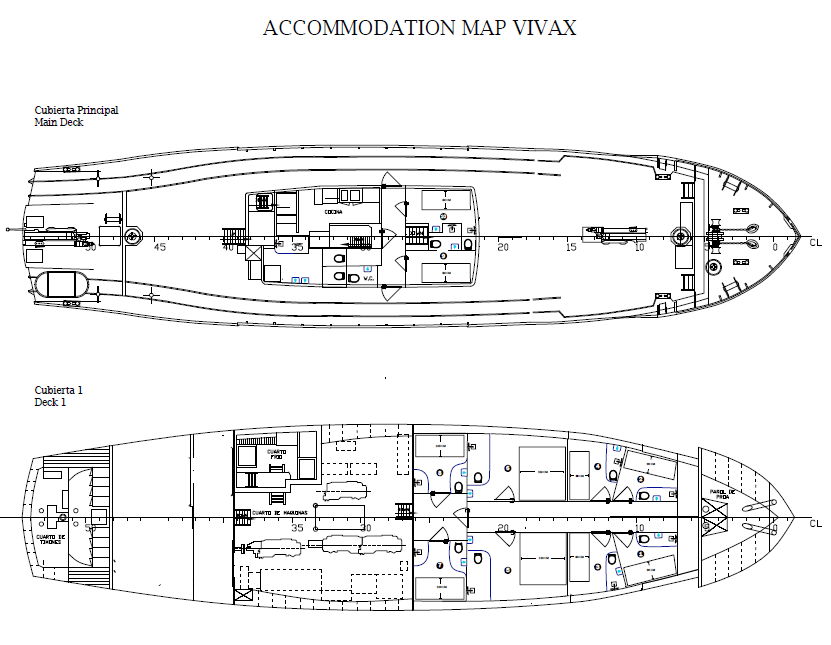
An Bord bietet die Vivax Platz für rund 12 Gäste in etwa 10 Kabinen. Die Kabinen sind komfortabel und zweckmässig gestaltet, verfügen über ein eigenes Bad und sind sowohl als Einzel- als auch Doppelkabinen konzipiert. Sie bieten alles, was für eine komfortable Safari auf See notwendig ist.

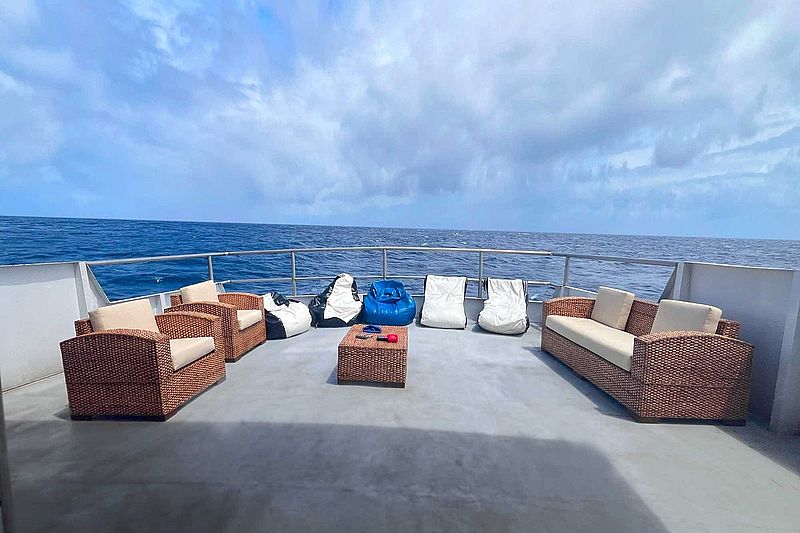
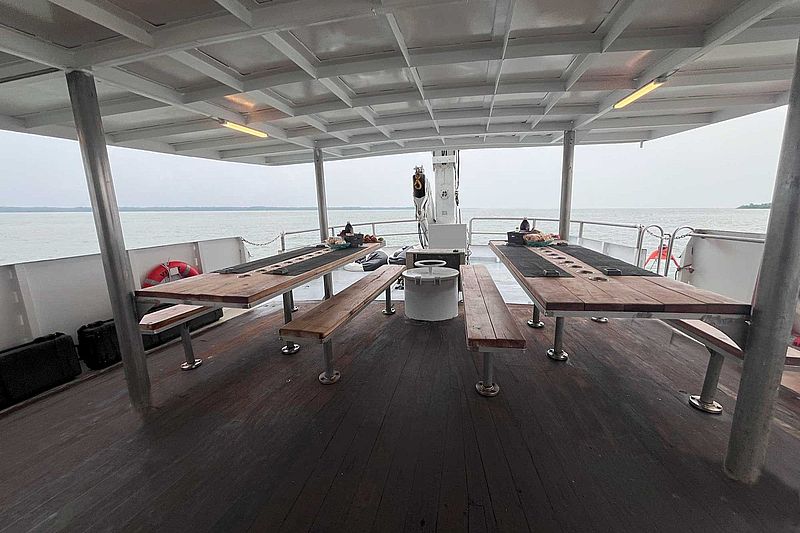
Die Gemeinschaftsbereiche sind auf Funktionalität und Komfort zwischen den Tauchgängen ausgelegt. Ein zentraler, klimatisierter Salon mit Essbereich dient als sozialer Treffpunkt und Aufenthaltsraum. Hier werden Mahlzeiten serviert und Briefings durchgeführt. Es gibt ebenfalls ein grosszügiges Tauchdeck mit individueller Ausrüstungseinrichtung, Kamerabereich, Spülstationen und direktem Zugang zum Wasser. Ein Sonnendeck bietet zusätzlich Raum zur Entspannung.

Die Vivax ist kein klassisches Kreuzfahrtschiff, sondern ein zweckmässig ausgestattetes Expeditions-Liveaboard, das sich auf Sicherheit, Reichweite und effizientes Tauchen in einem der spektakulärsten, aber auch anspruchsvollsten Tauchreviere des Pazifiks konzentriert.

Impressionen: Vivax

Angaben zum Schiff

Technische Daten des Bootes

Wifi:nicht verfügbar
Typ:Yacht
Kapazität:15 Taucher
Material: Stahl
Baujahr:1991
Lange:32 Meter
Breite:8 Meter
Ausrüstung Vermietung: Available, required in advance
Satelliten-Telefon: Ja

Kabinentypen & Details

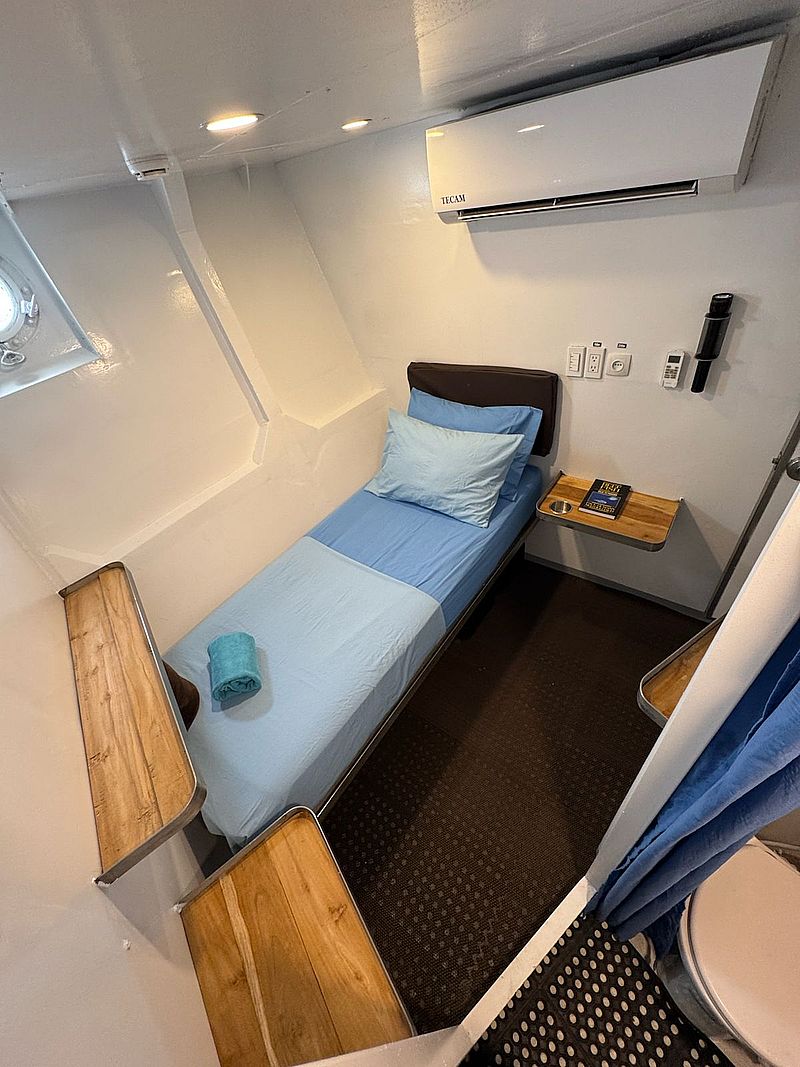
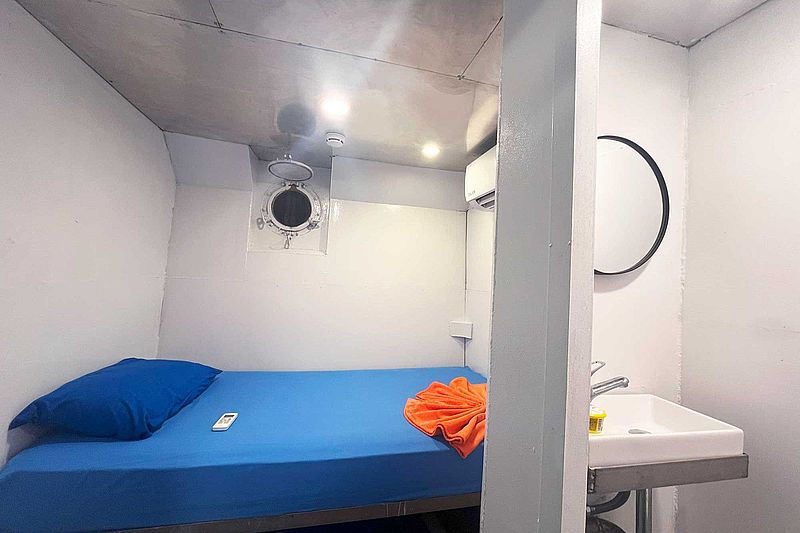
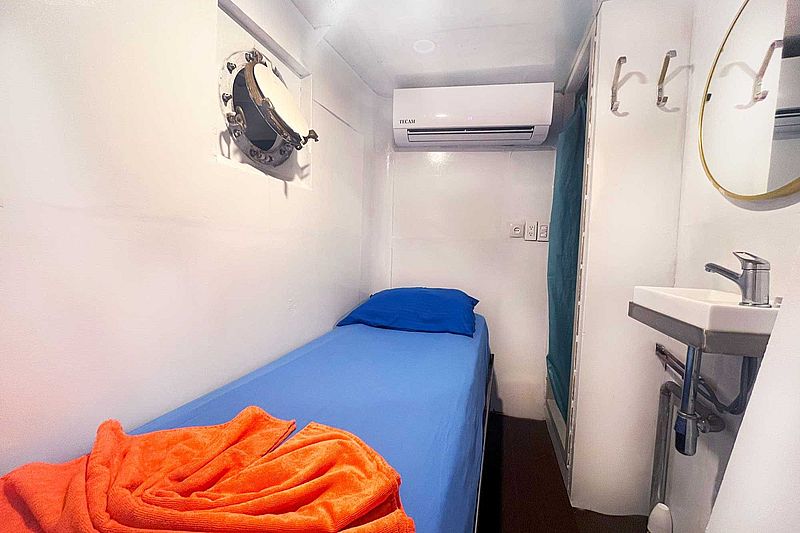
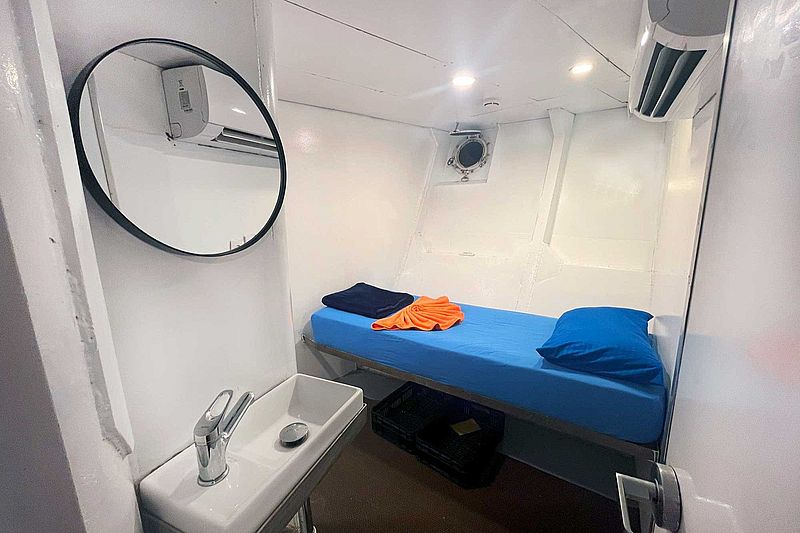
Single Cabin A Lower Deck
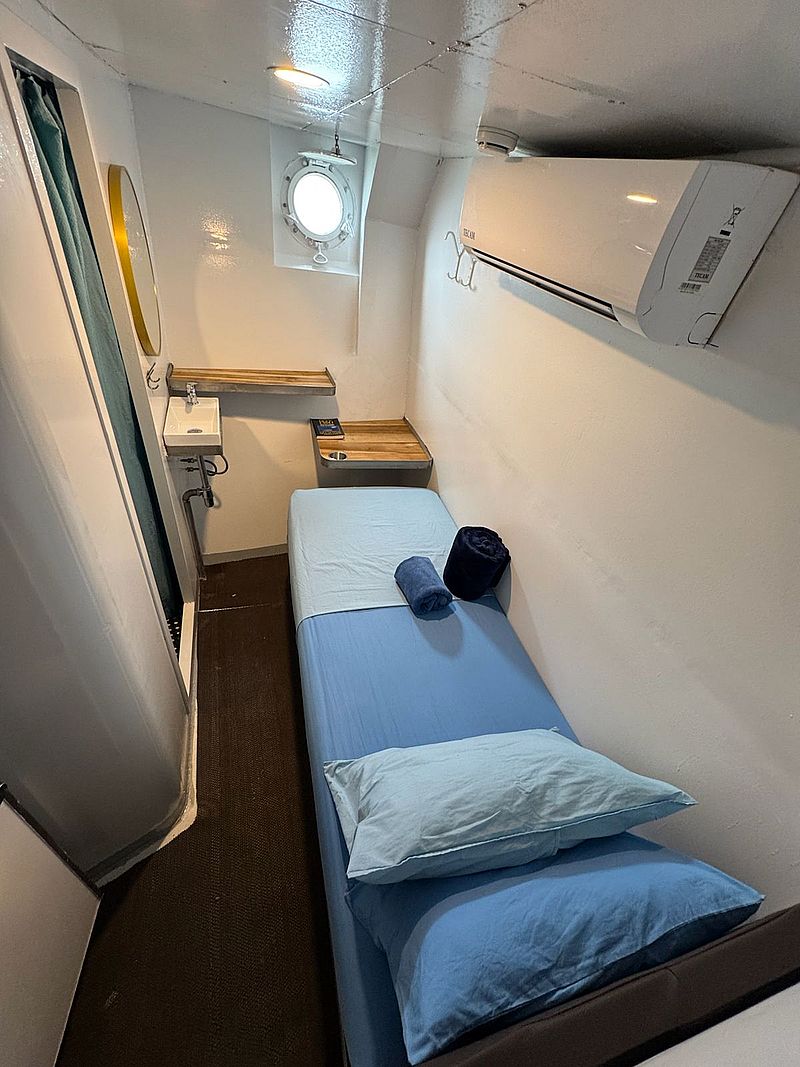
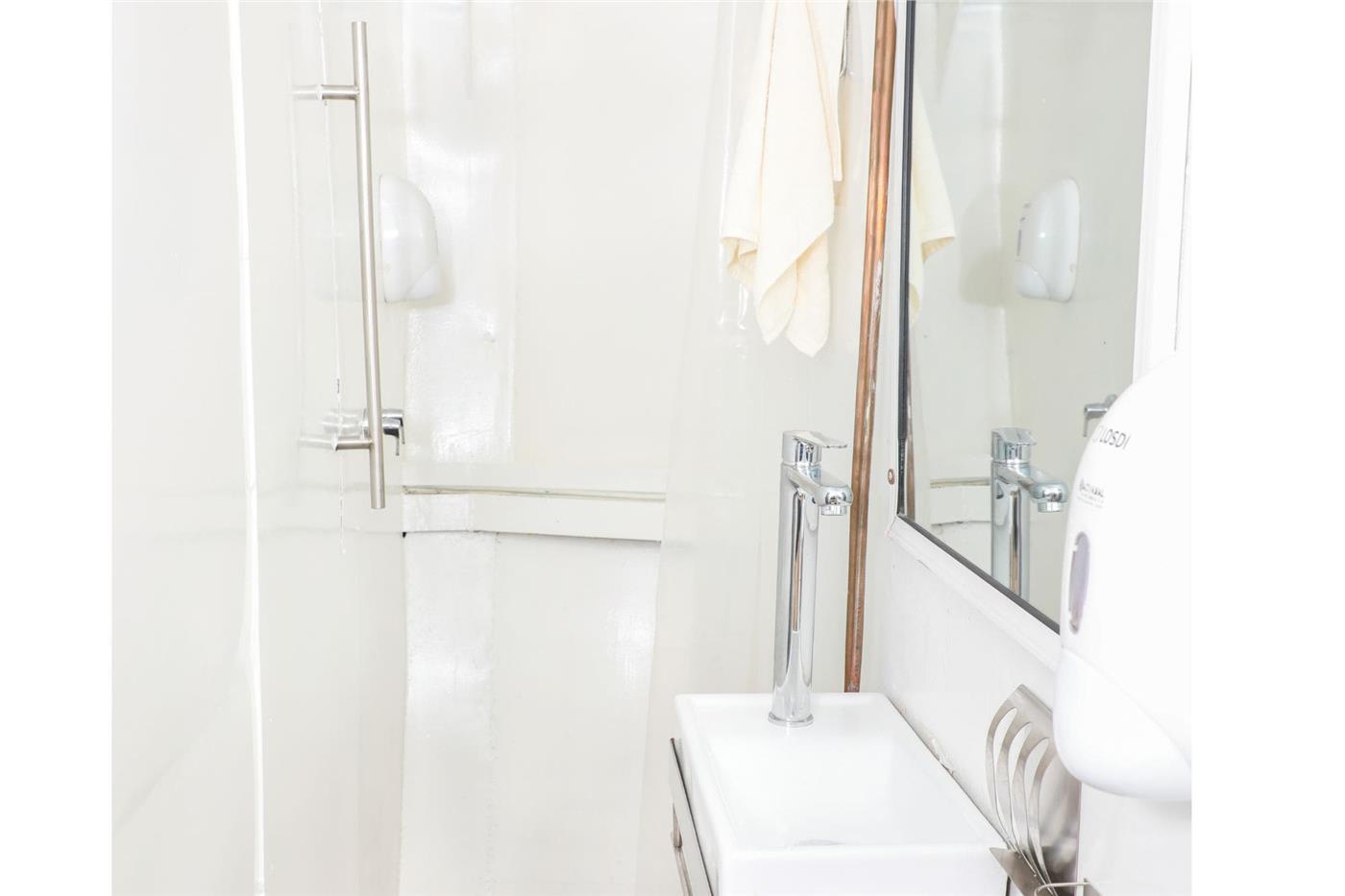
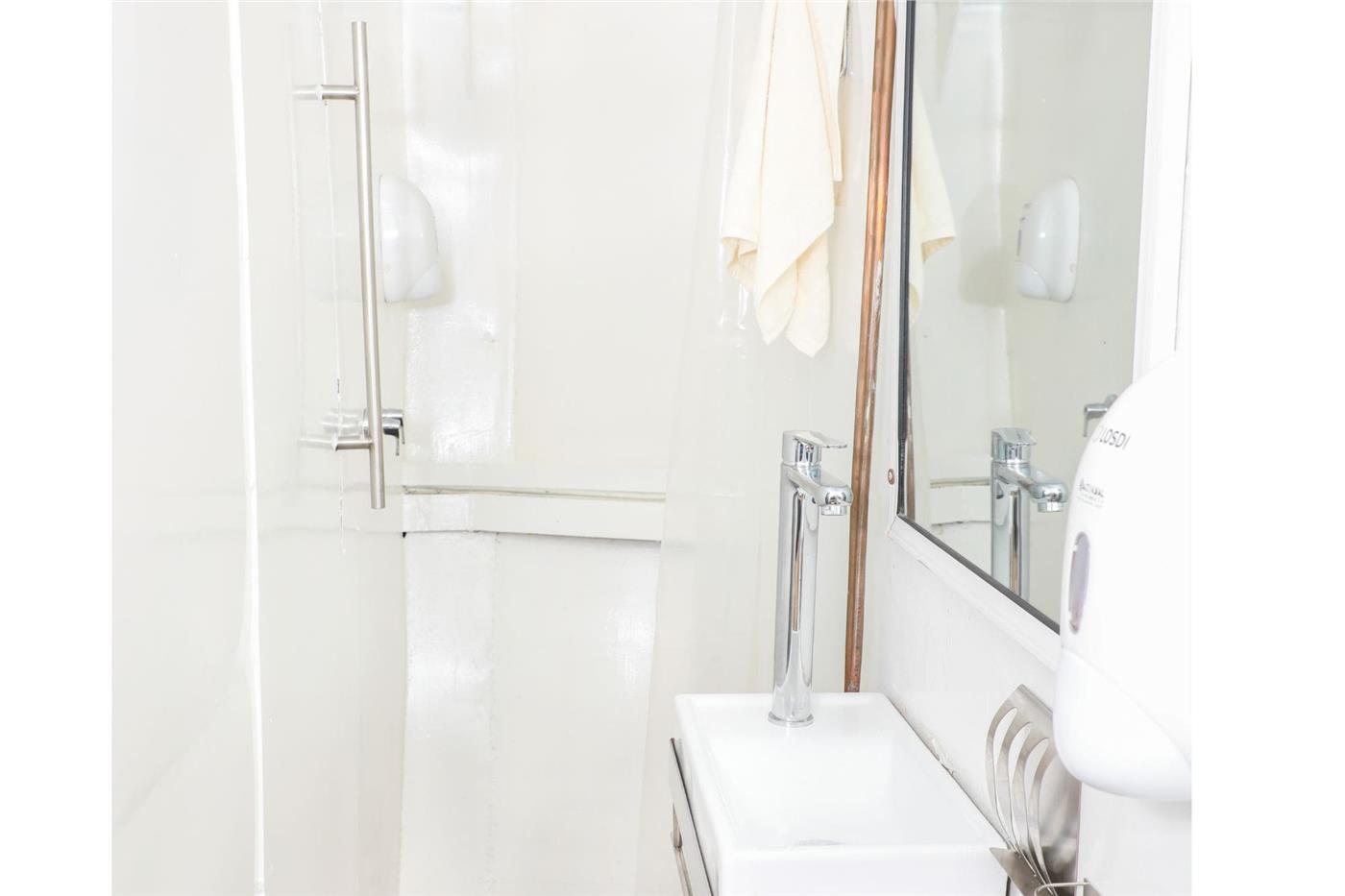
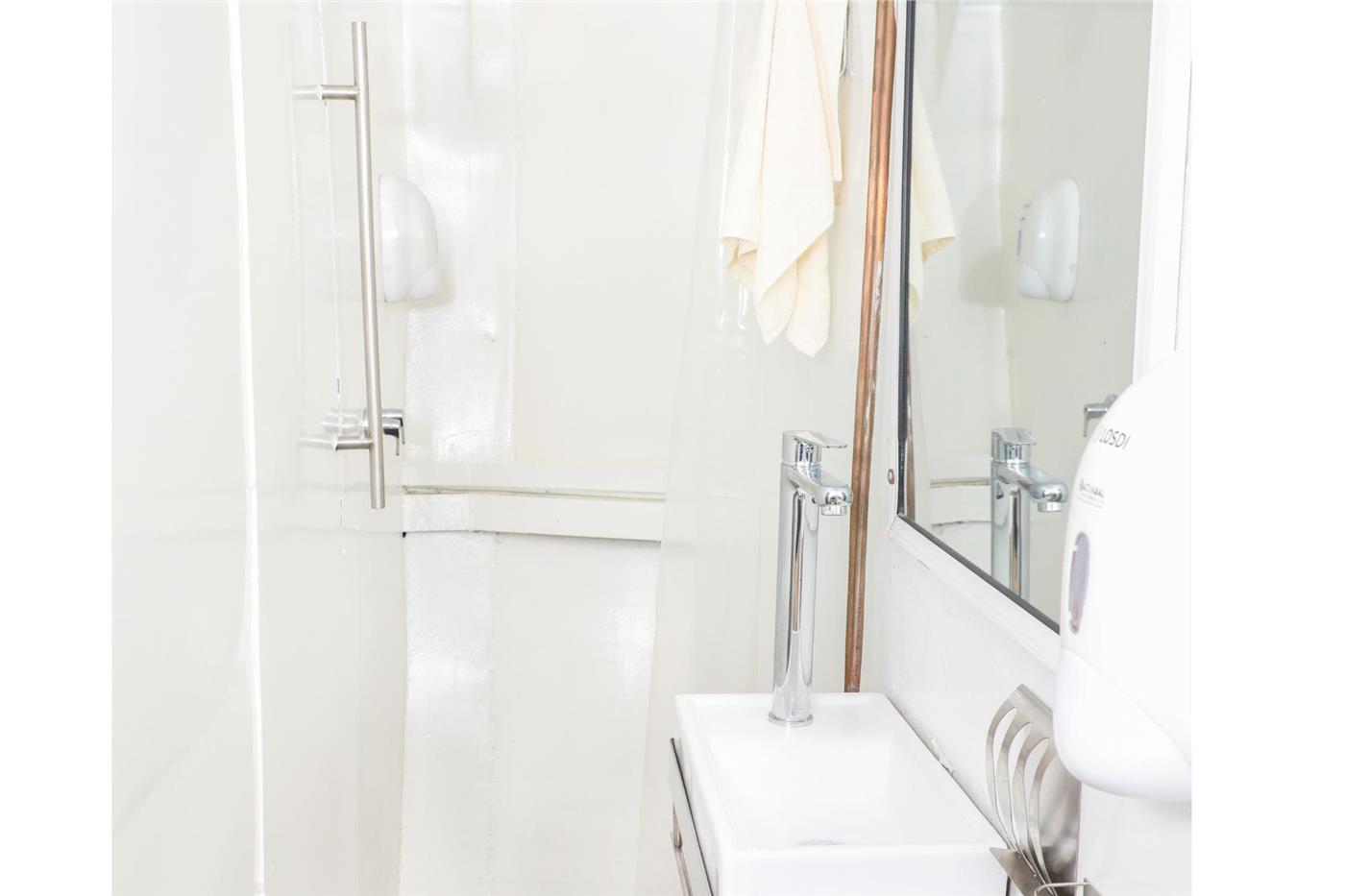
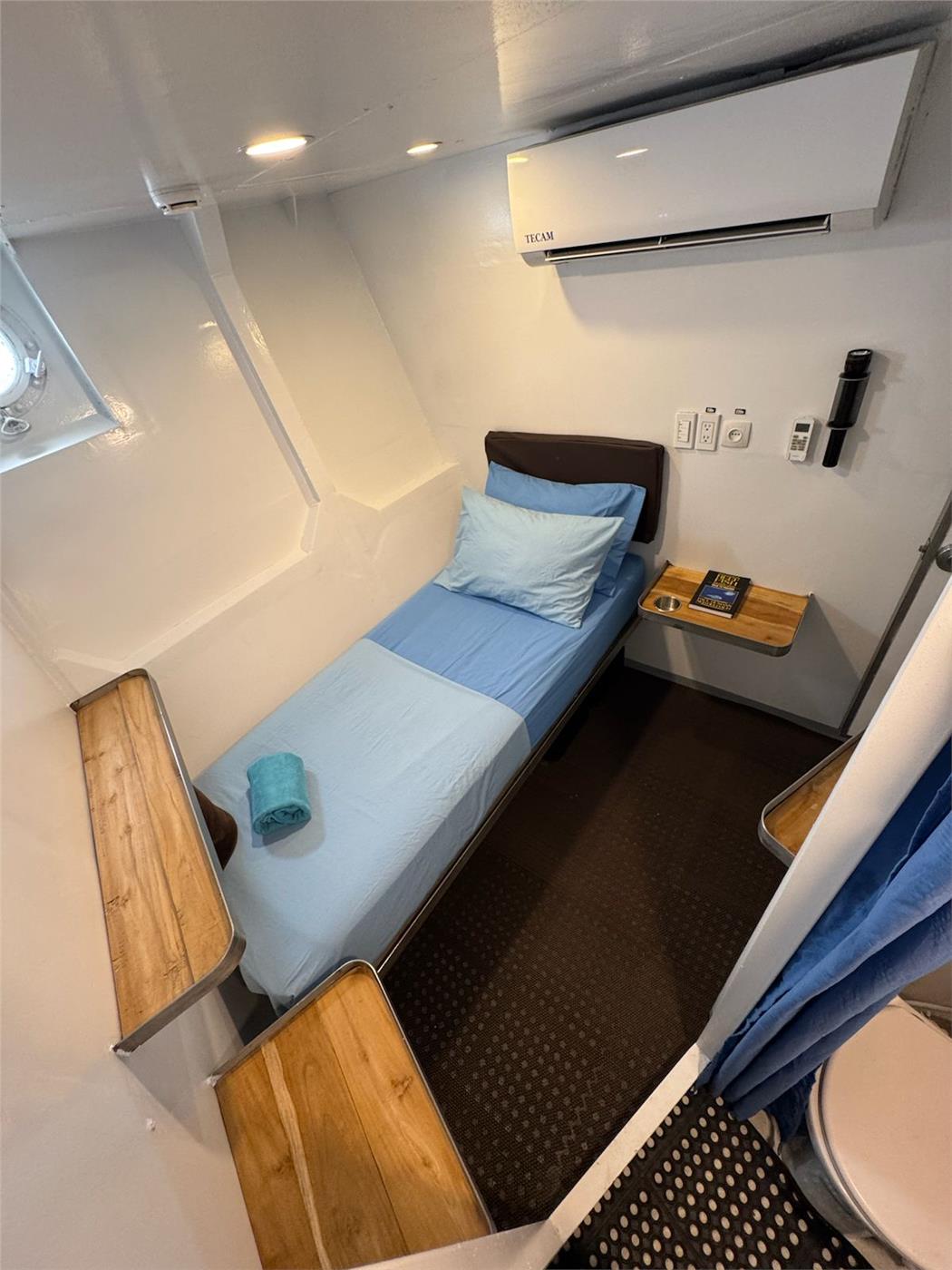
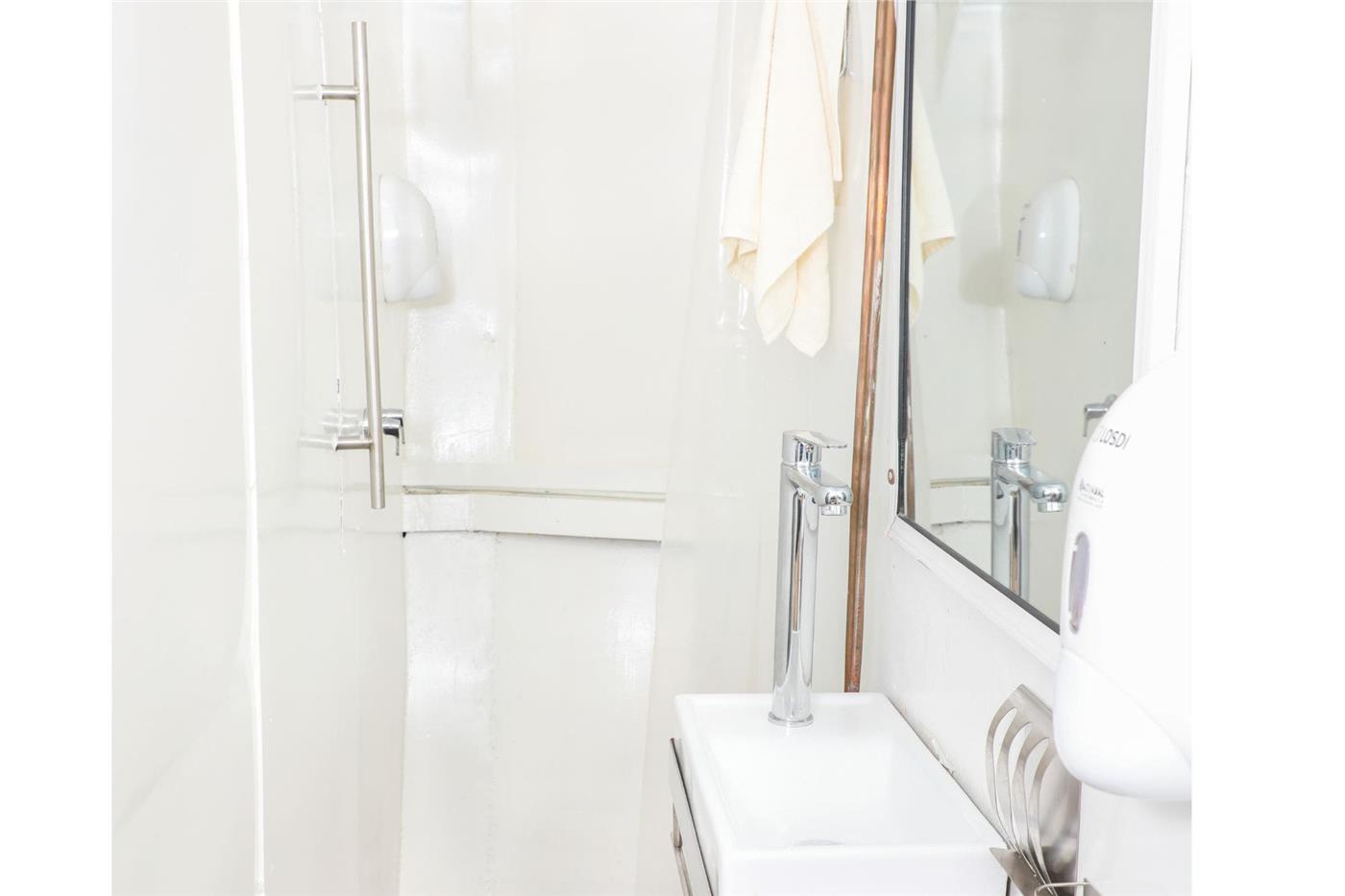
Einzelkabine. Sie verfügt über ein eigenes Bad mit Warmwasserdusche, Klimaanlage sowie Stauraum für persönliche Ausrüstung.

Kabintyp Details

Kapazität:1
Anzahl Kabinen:2

Bathroom

Toilette: Ja
Dusche: Ja
Handtücher: Ja

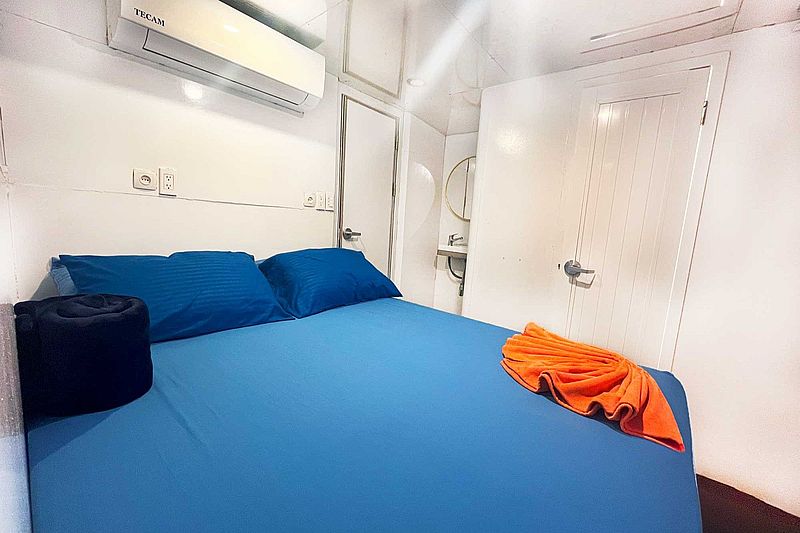
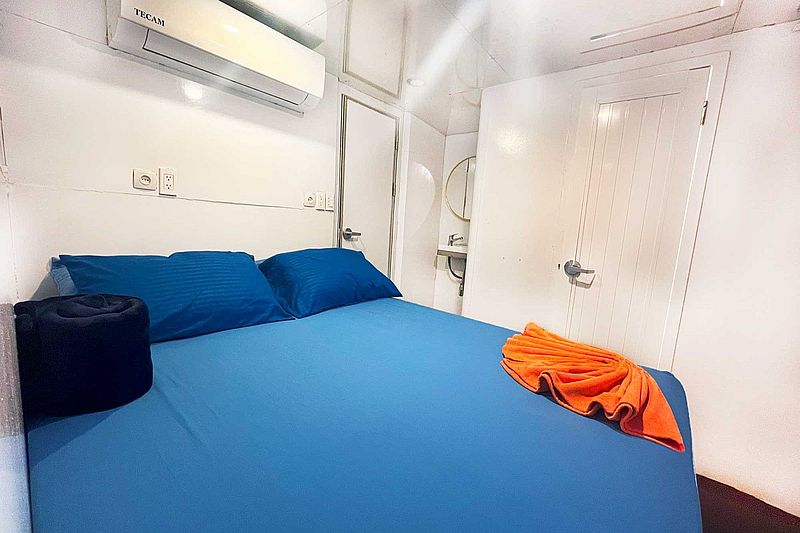
Queen Bed Cabin Lower Deck

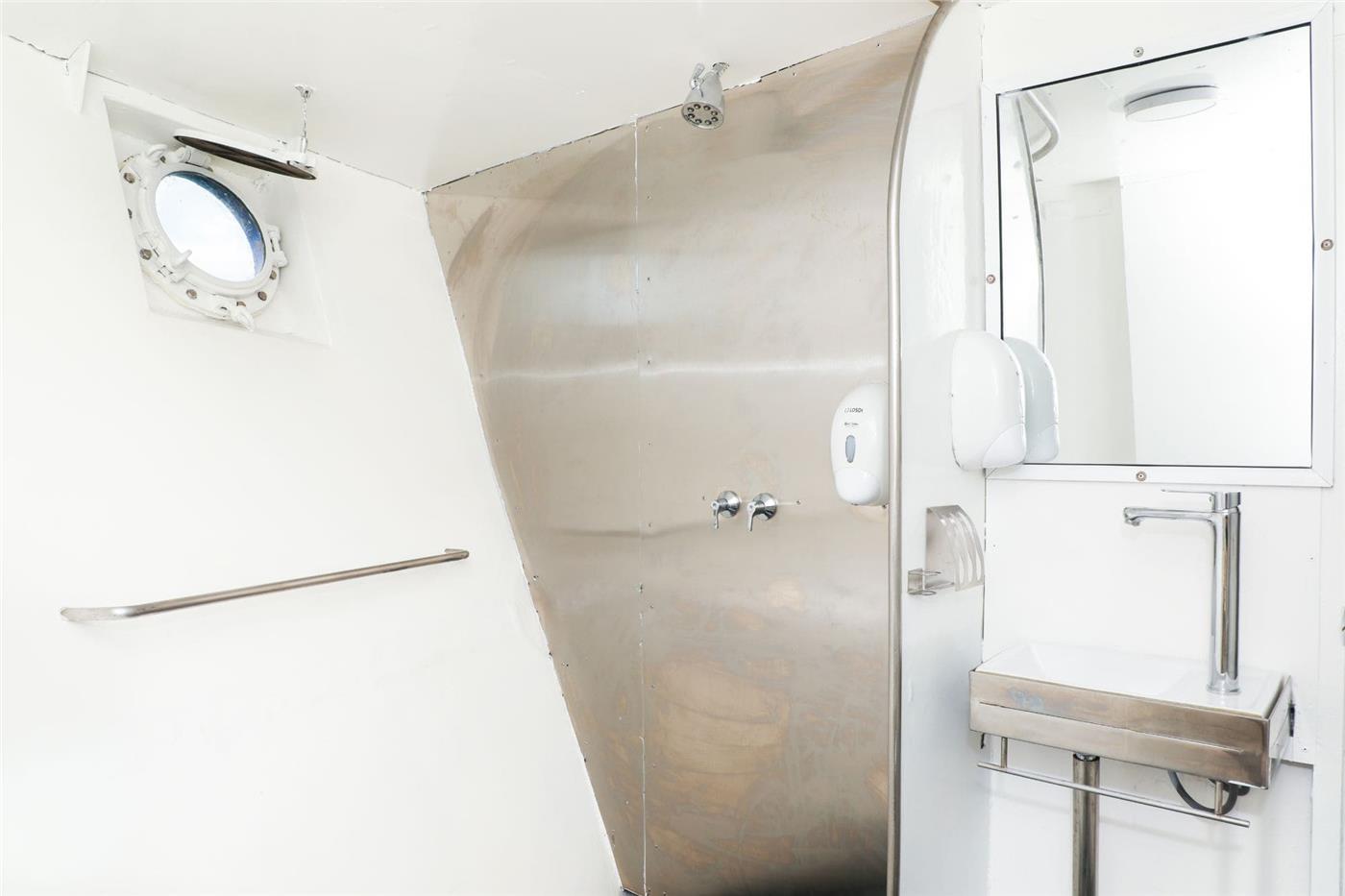
Doppelkabine mit Queensize-Bett. Sie verfügt über ein eigenes Bad mit Warmwasserdusche, individuell regulierbare Klimaanlage sowie Stauraum für persönliche Gegenstände.

Kabintyp Details

Kapazität:2
Anzahl Kabinen:2

Bathroom

Toilette: Ja
Dusche: Ja
Handtücher: Ja

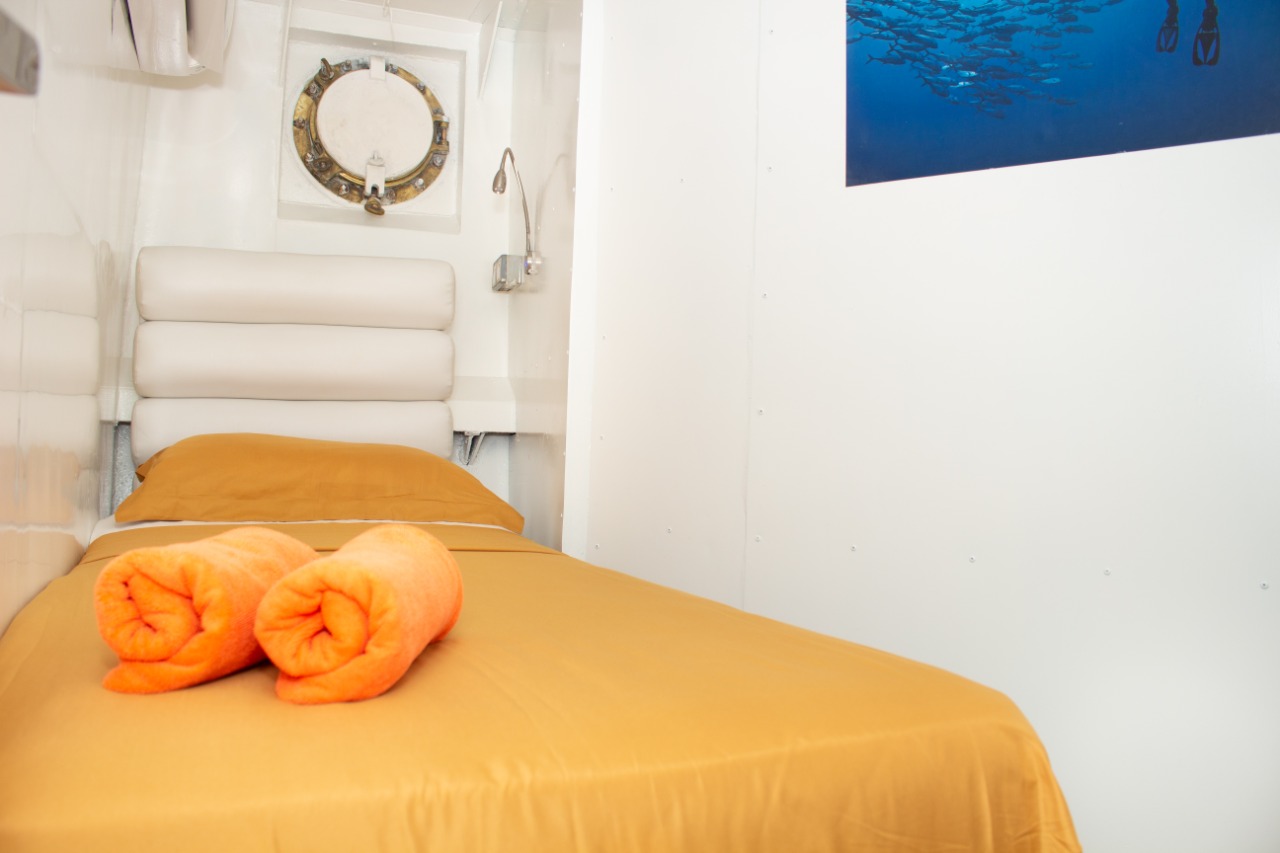
Full Cabin Lower Deck

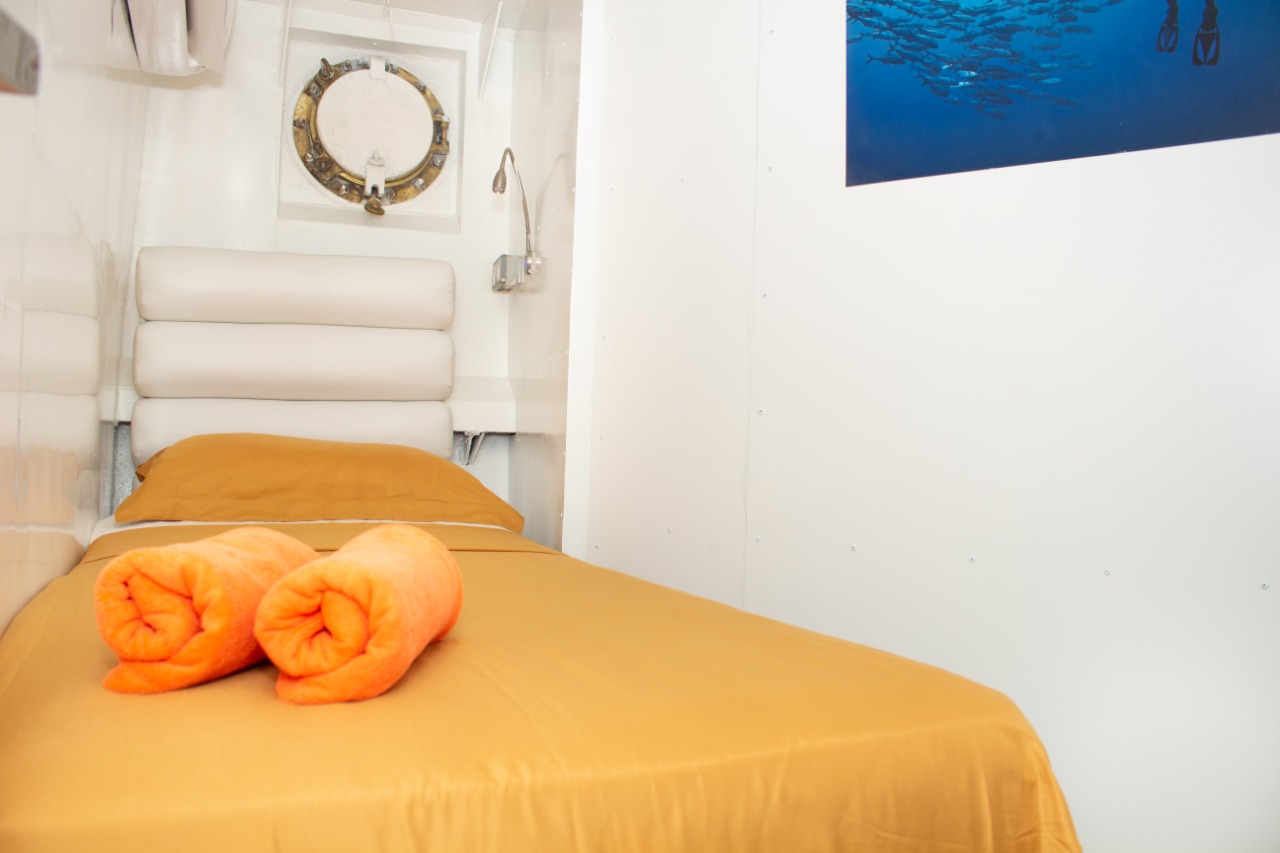
Kabine mit Doppelbett (Full Size). Die Kabine verfügt über ein eigenes Bad mit Warmwasserdusche, Klimaanlage sowie Stauraum für persönliche Gegenstände.

Kabintyp Details

Kapazität:1
Anzahl Kabinen:2

Bathroom

Toilette: Ja
Dusche: Ja
Handtücher: Ja

Single Cabin Main Deck portside

Einzelkabine mit eigenem Bad mit Warmwasserdusche, individuell regulierbarer Klimaanlage sowie Stauraum für persönliche Ausrüstung.

Kabintyp Details

Kapazität:1
Anzahl Kabinen:2

Bathroom

Toilette: Ja
Dusche: Ja
Handtücher: Ja

Single Cabin B Lower Deck

Kabintyp Details

Kapazität:1
Anzahl Kabinen:2

Bathroom

Toilette: Ja
Dusche: Ja
Handtücher: Ja

Single cabin Main deck Starboard side

Kabintyp Details

Kapazität:1
Anzahl Kabinen:1

Bathroom

Toilette:
Dusche:
Handtücher:

Queen bed Cabin Extra

Kabintyp Details

Kapazität:2
Anzahl Kabinen:1

Bathroom

Toilette:
Dusche:
Handtücher:

Routen und Details

Malpelo

Combo Gorgona - Malpelo

Combo Gorgona - Malpelo
Malpelo Island is an oceanic island located in the area of the Pacific Ocean that belongs to the Republic of Colombia. It is also one of the most visited islands in the Colombian Pacific each year by scientists and divers from around the world and is permanently monitored by personnel from the Colombian National Navy, who ensures the conservation of the area by avoiding illegal and indiscriminate shark fishing., among other species.
Mehr erfahren

Malpelo has steep coasts of volcanic formation that emerge from more than 4000m deep. The main island is 1643m long, with a maximum width of 727m and a maximum height above sea level of 360m on the Mona hill. It is surrounded by 11 small islets distributed as follows: 3 in the far north known as “Los Mosqueteros” (Athos, Porthos, Aramis and D’Artagnan), 2 in the east called Vagamares and La Torta, 5 in the far south known like La Gringa, Escuba, and “Los Tres Reyes” (Saúl, David and Salomón). Malpelo Island was formed 17 to 20 million years ago and by then the island was 10 times bigger. The current geomorphology of the island is the product of marine erosion, rainfall and strong winds.

On this island, the characteristics of the marine environment are strongly influenced by the patterns of currents that run through the area. The Malpelo region is a point of confluence of several important currents of the Pacific Basin and the Panama Inlet, which has undoubtedly influenced the special composition of its particular marine fauna. 395 species of fish have been found in Malpelo.

Most are rocky and coral reef fish. You can see large concentrations of sharks, including hammerheads, silky sharks, and whale sharks, as well as a group of deep-sea sharks, better known as monster sharks. Reptiles (mainly sea turtles) and marine mammals have also been found. The biomass present is sufficient to feed a permanently established colony of approximately 20 dolphins.

Today the Malpelo Fauna and Flora Sanctuary is the ninth largest marine protected area in the world. Since 2005 it has been classified as an Important Area for Bird Conservation (AICA Area) by Bird Life International and by the Alexander Von Humboldt Research Institute.

Perhaps the greatest recognition is its declaration as a Natural Heritage of Humanity in 2006 by the United Nations Educational, Scientific and Cultural Organization (UNESCO). Under this scenario, the National Government points to Malpelo as one of the “marine jewels” of Colombia.

Verfügbarkeit

Nacht
Platz frei
CHF
Abreise:
Ankunft: