Impressions: Vivax
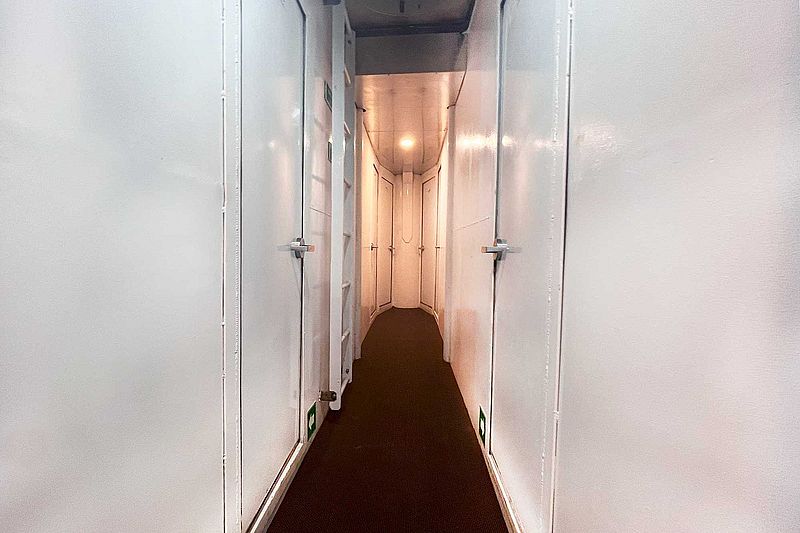
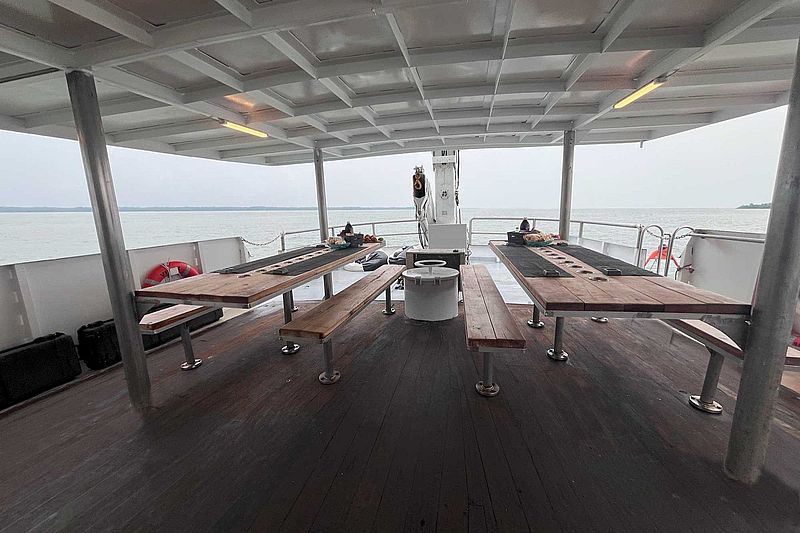
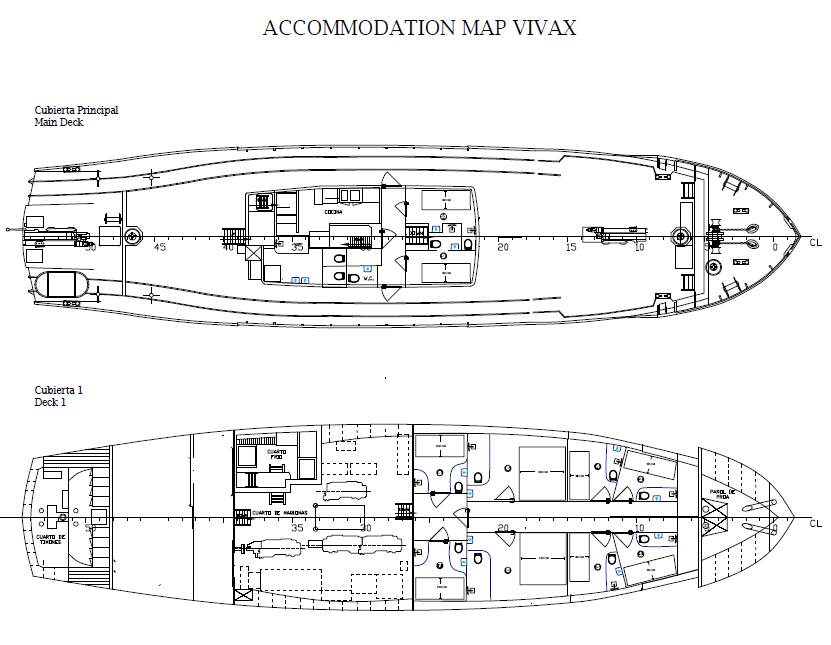
Équipement et détails
Spécifications techniques du bateau
Types de cabines & informations détaillées
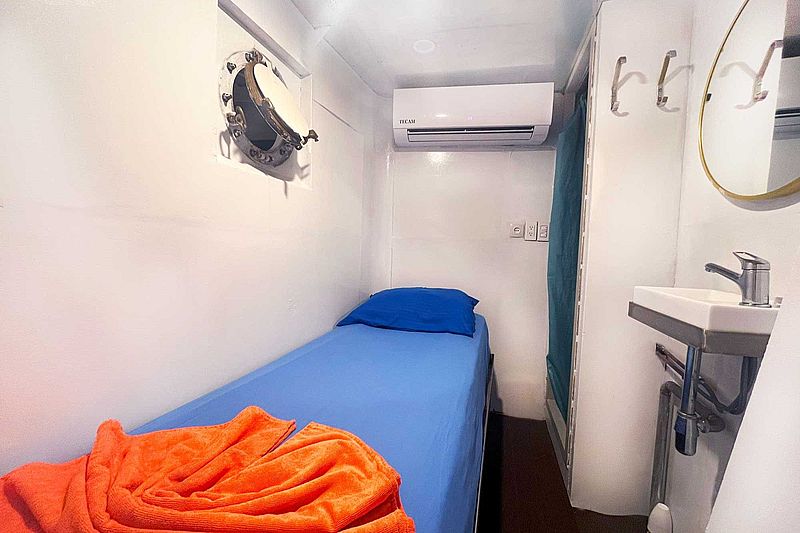
Single Cabin A Lower Deck
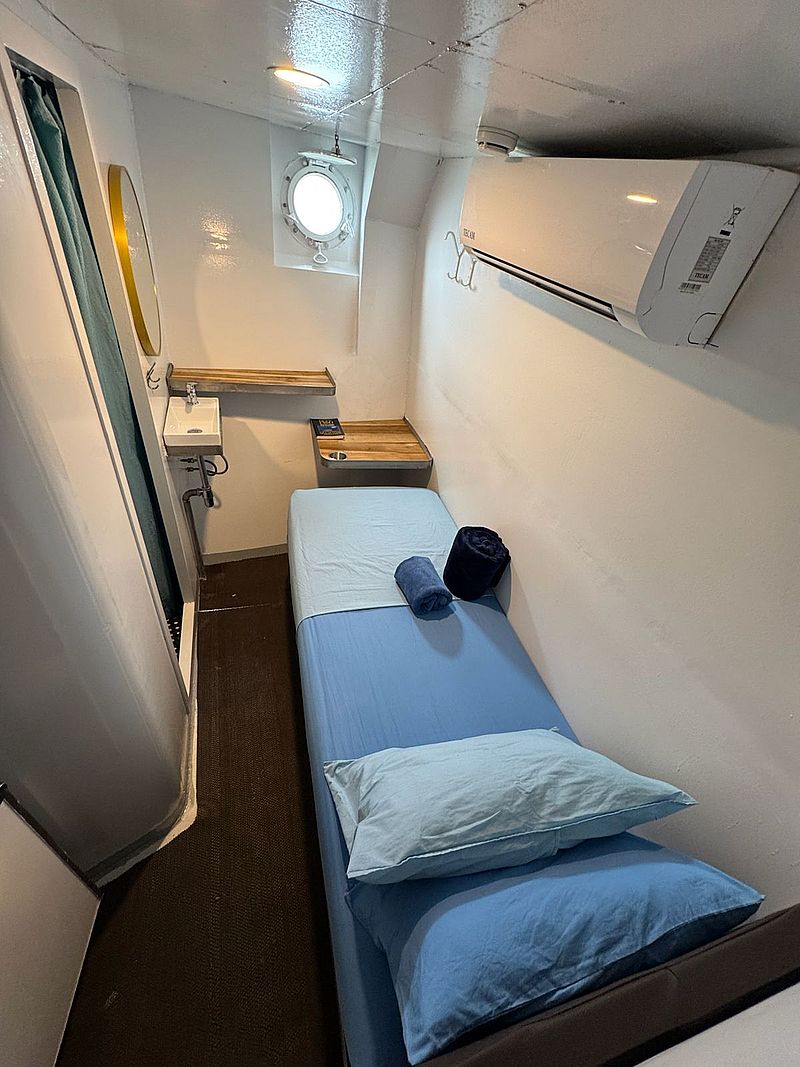
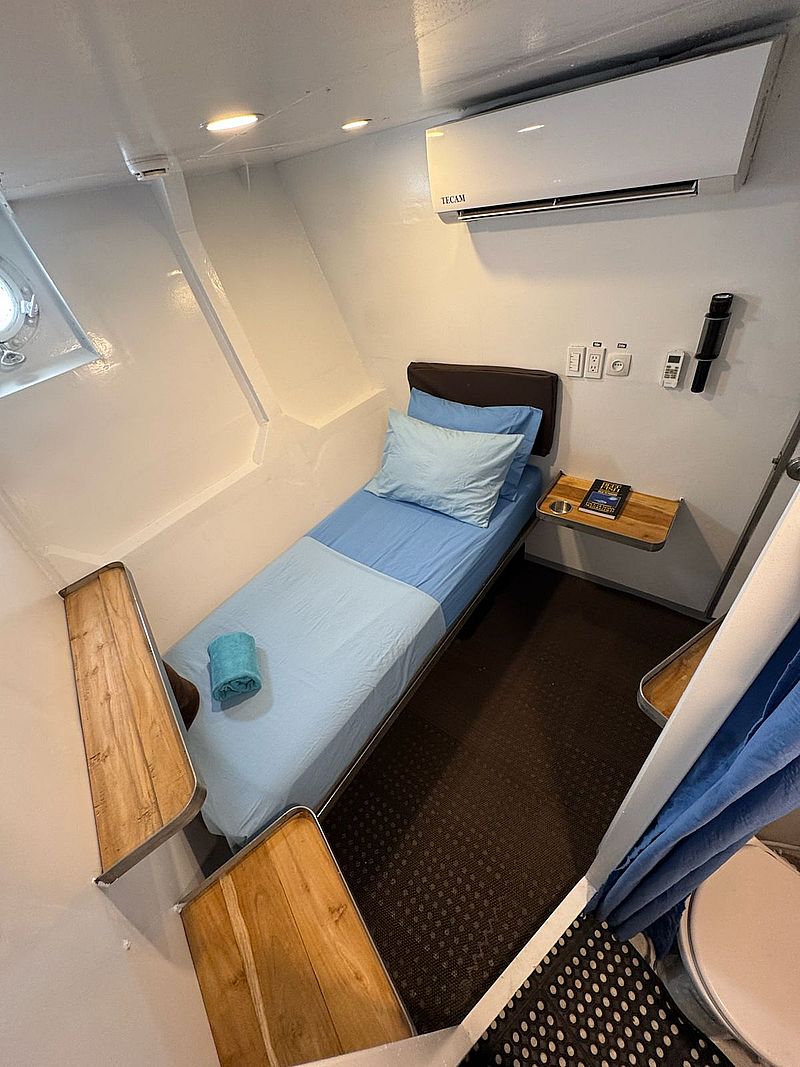
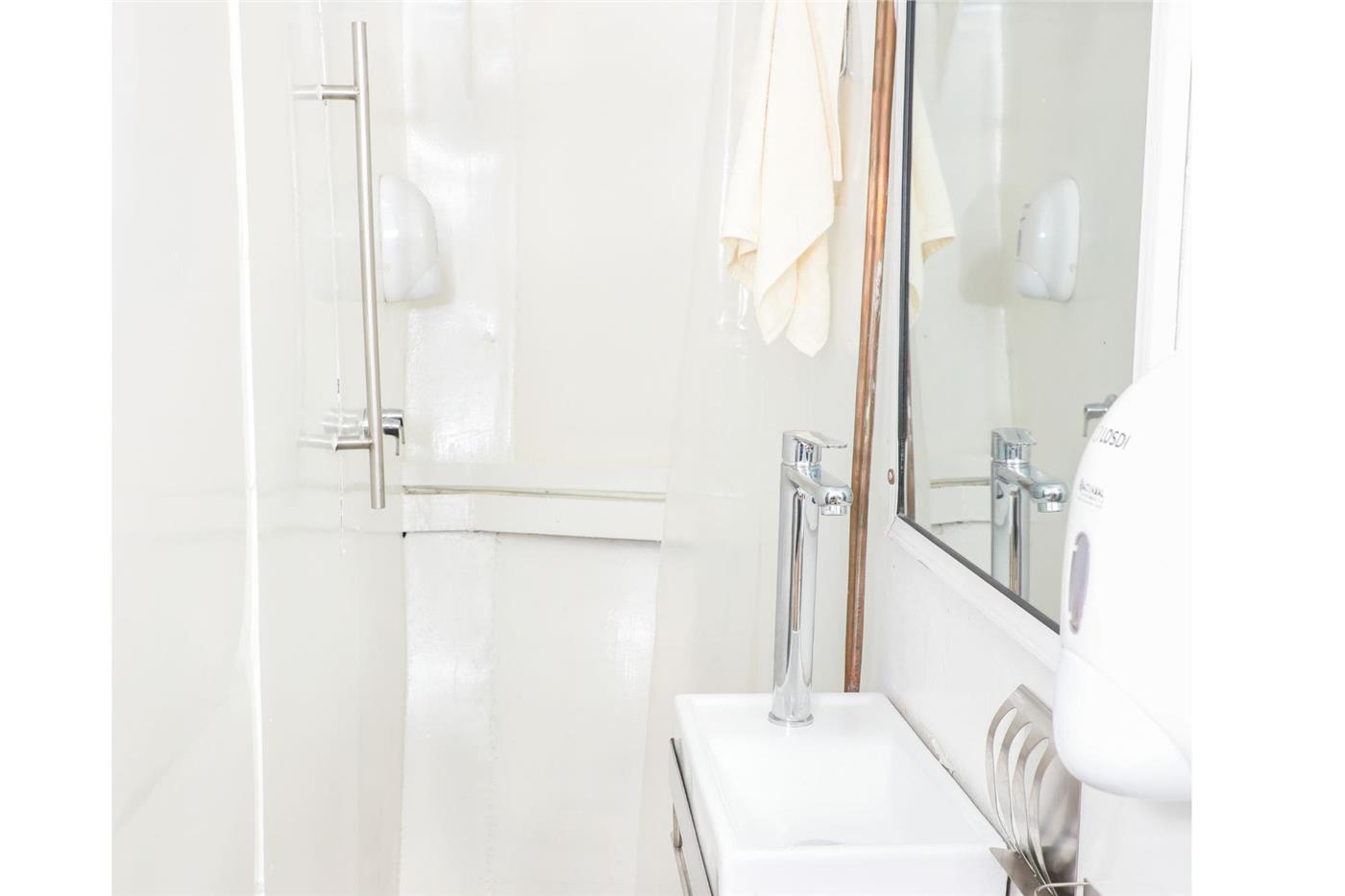
Informations sur le type de cabine
Salle de bain
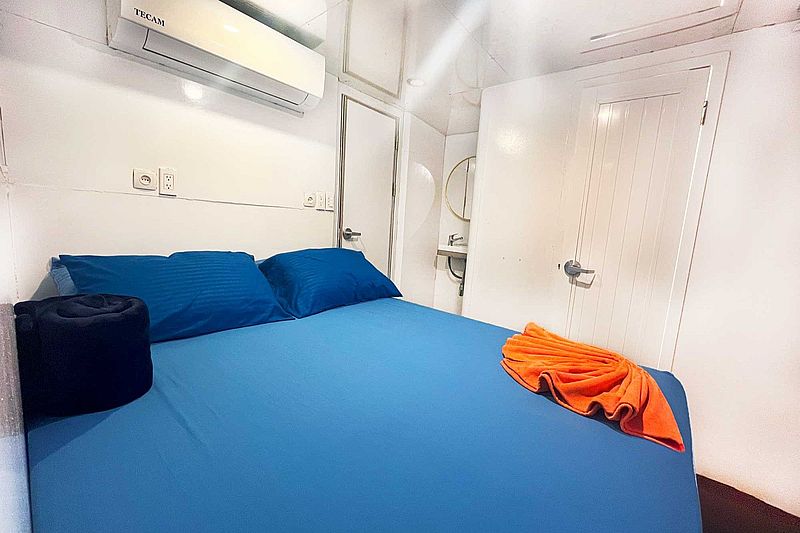
Queen Bed Cabin Lower Deck
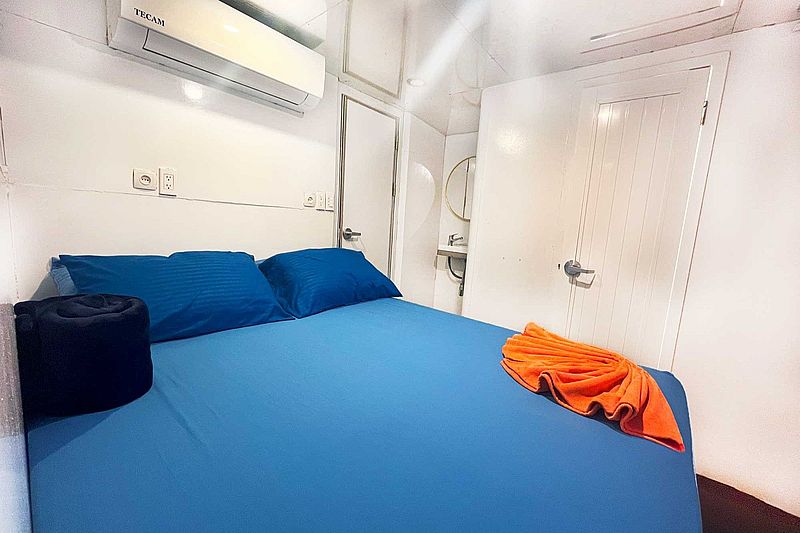
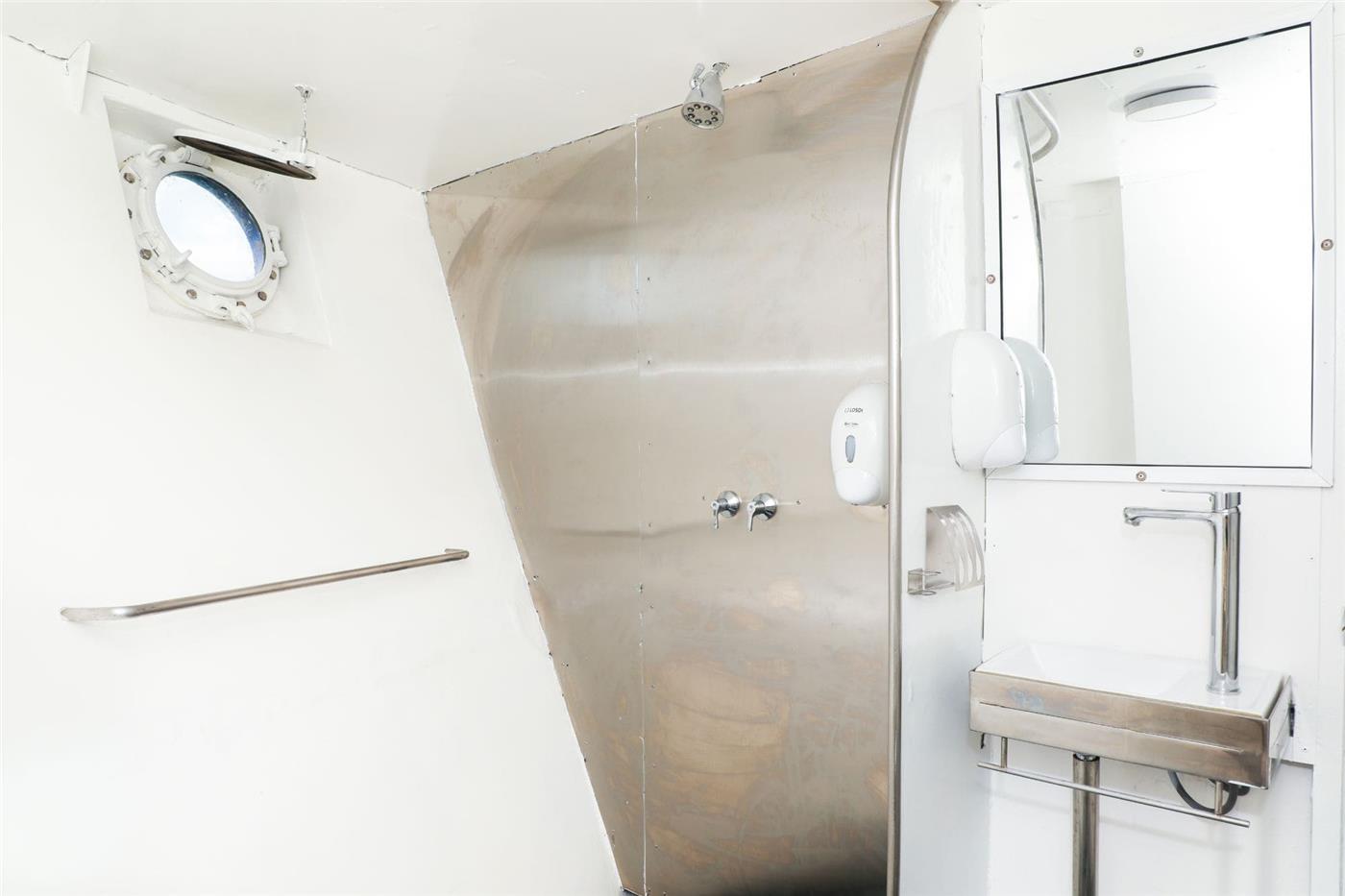
Informations sur le type de cabine
Salle de bain
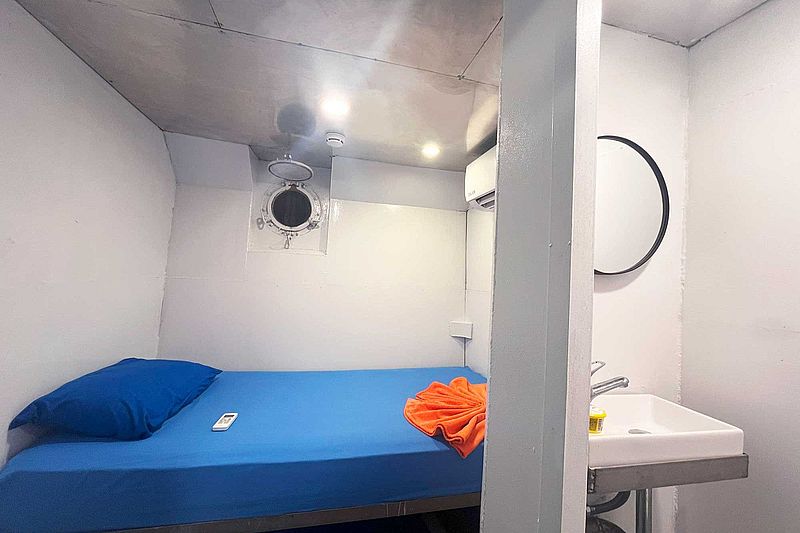
Full Cabin Lower Deck
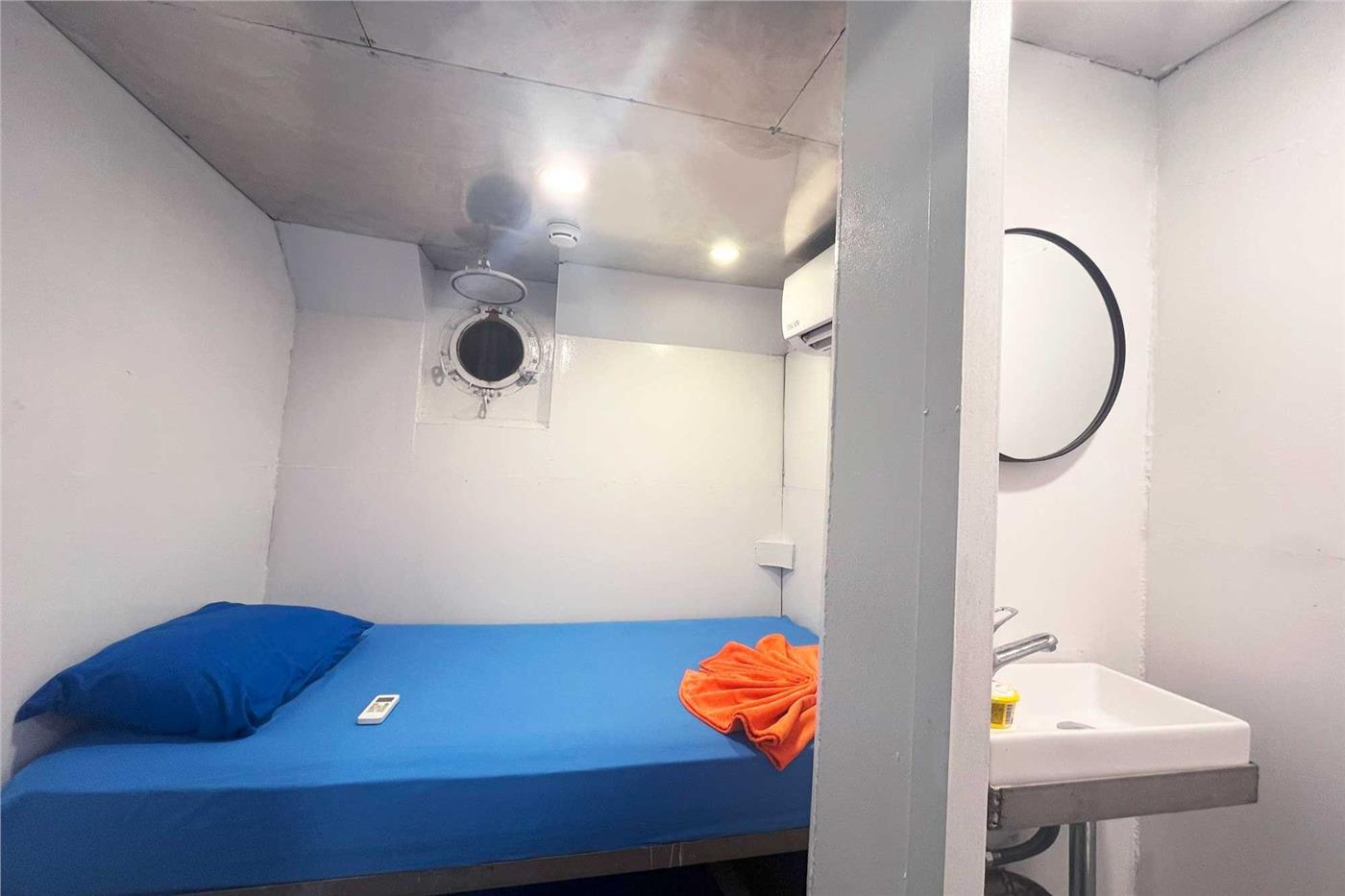
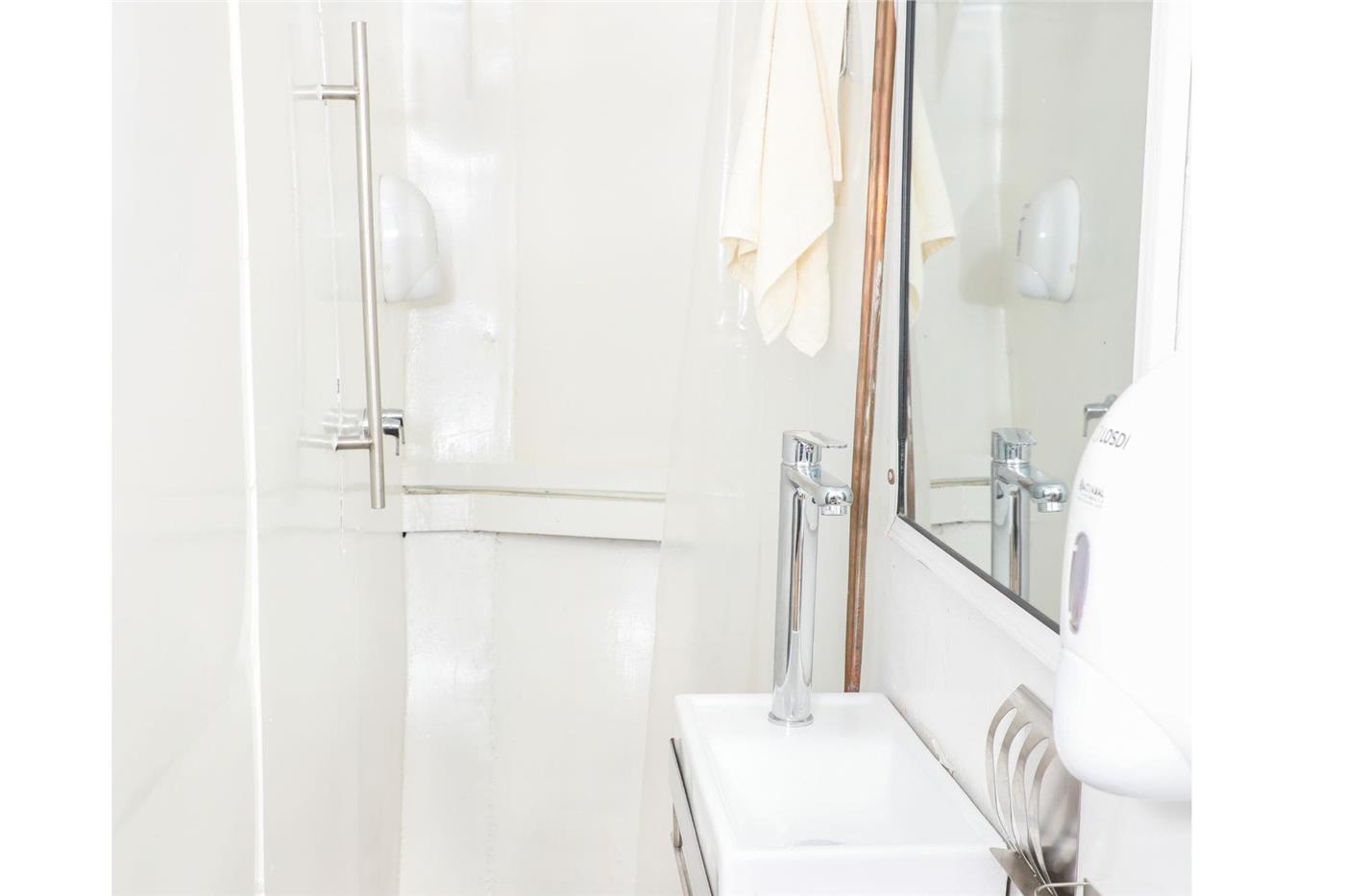
Informations sur le type de cabine
Salle de bain
Single Cabin Main Deck portside
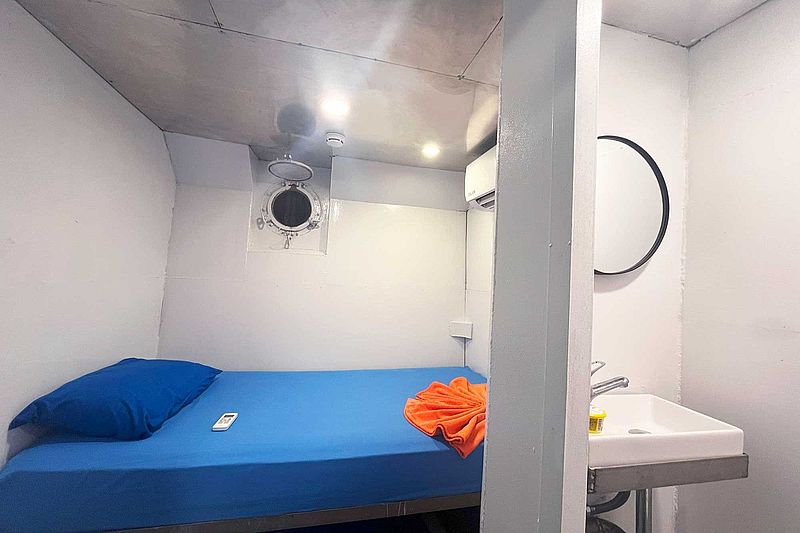
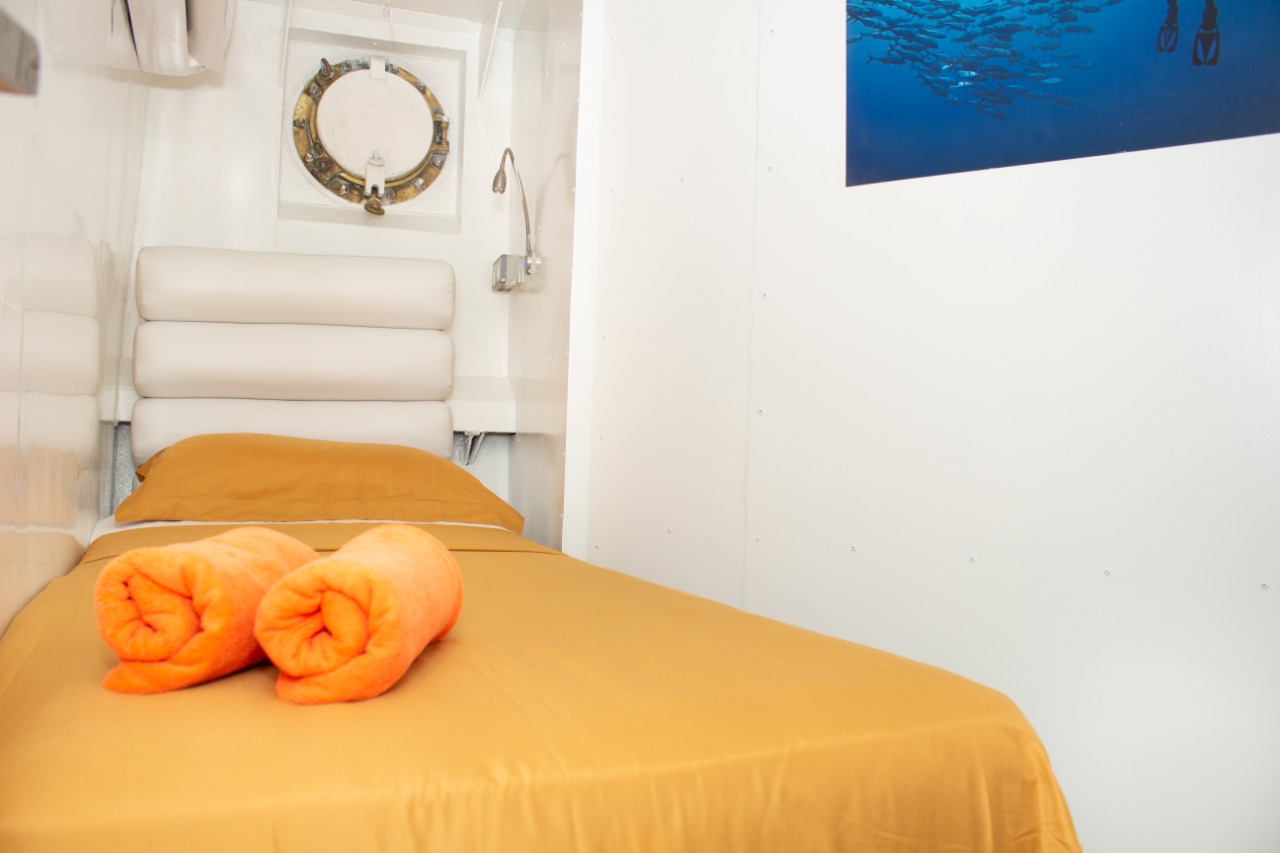
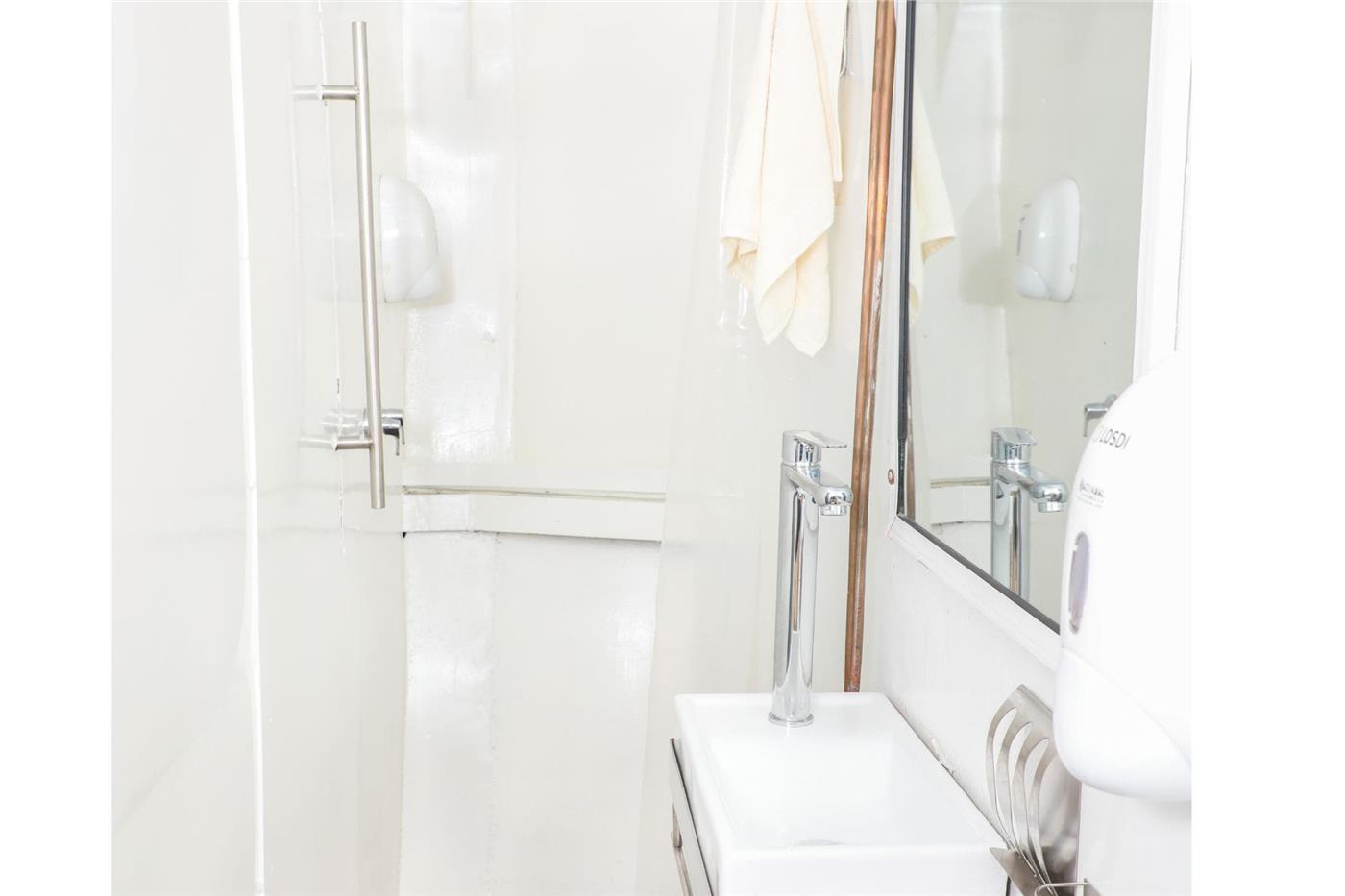
Informations sur le type de cabine
Salle de bain
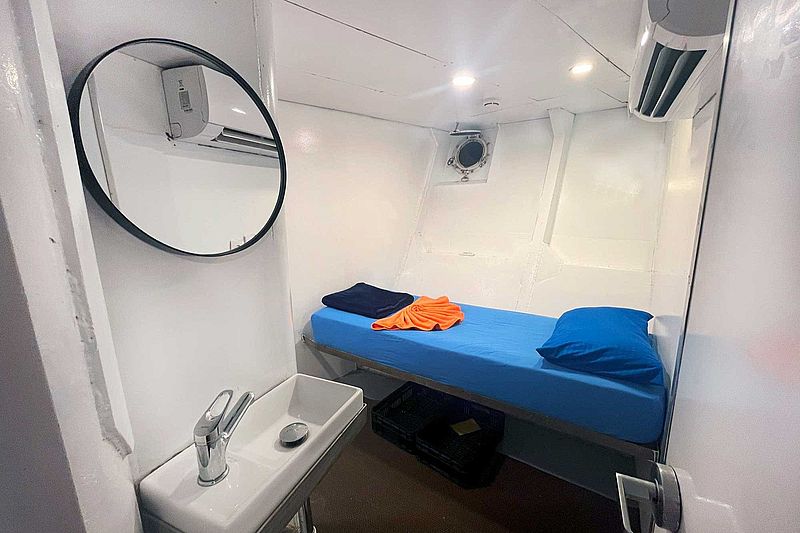
Single Cabin B Lower Deck
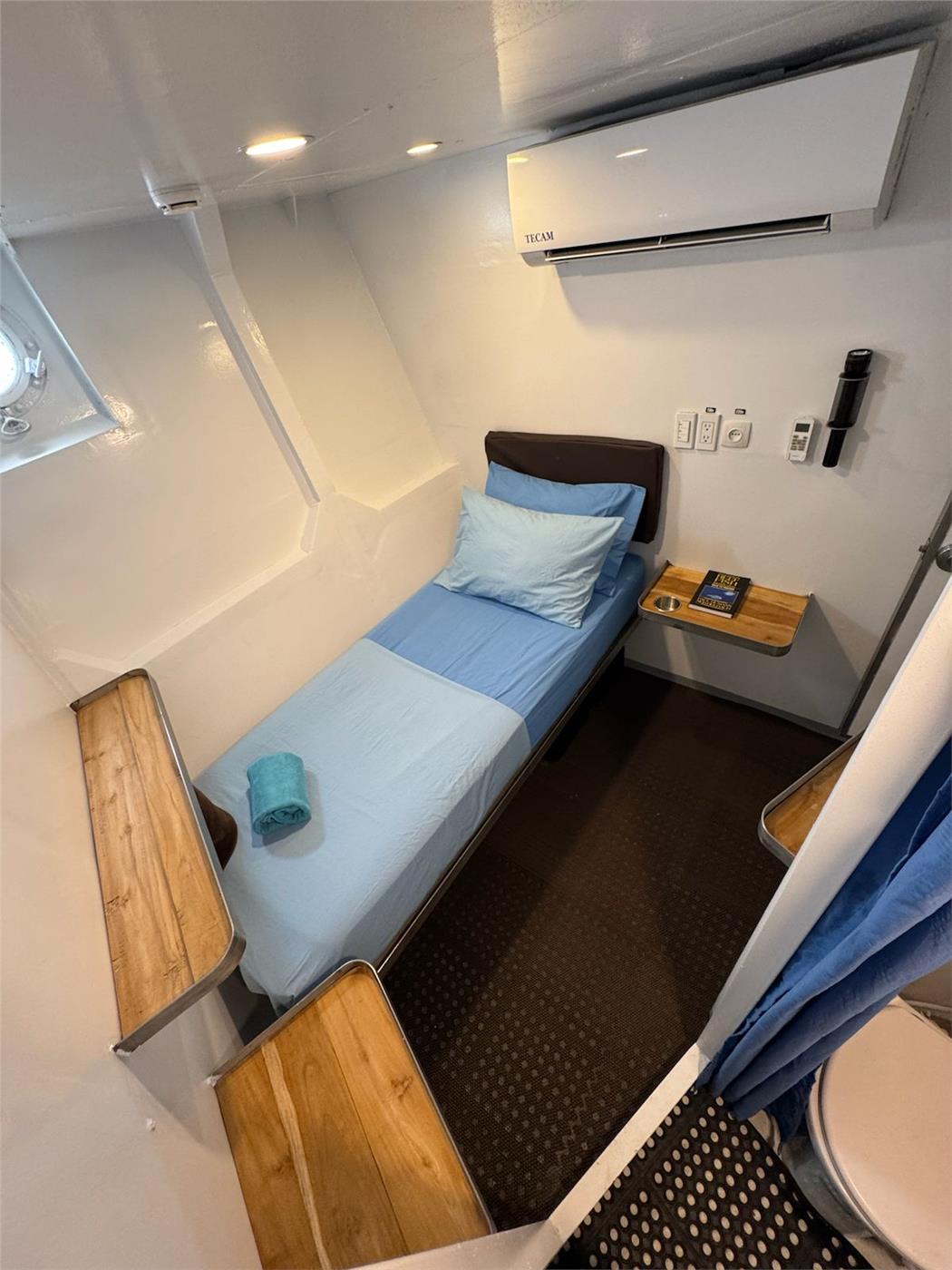
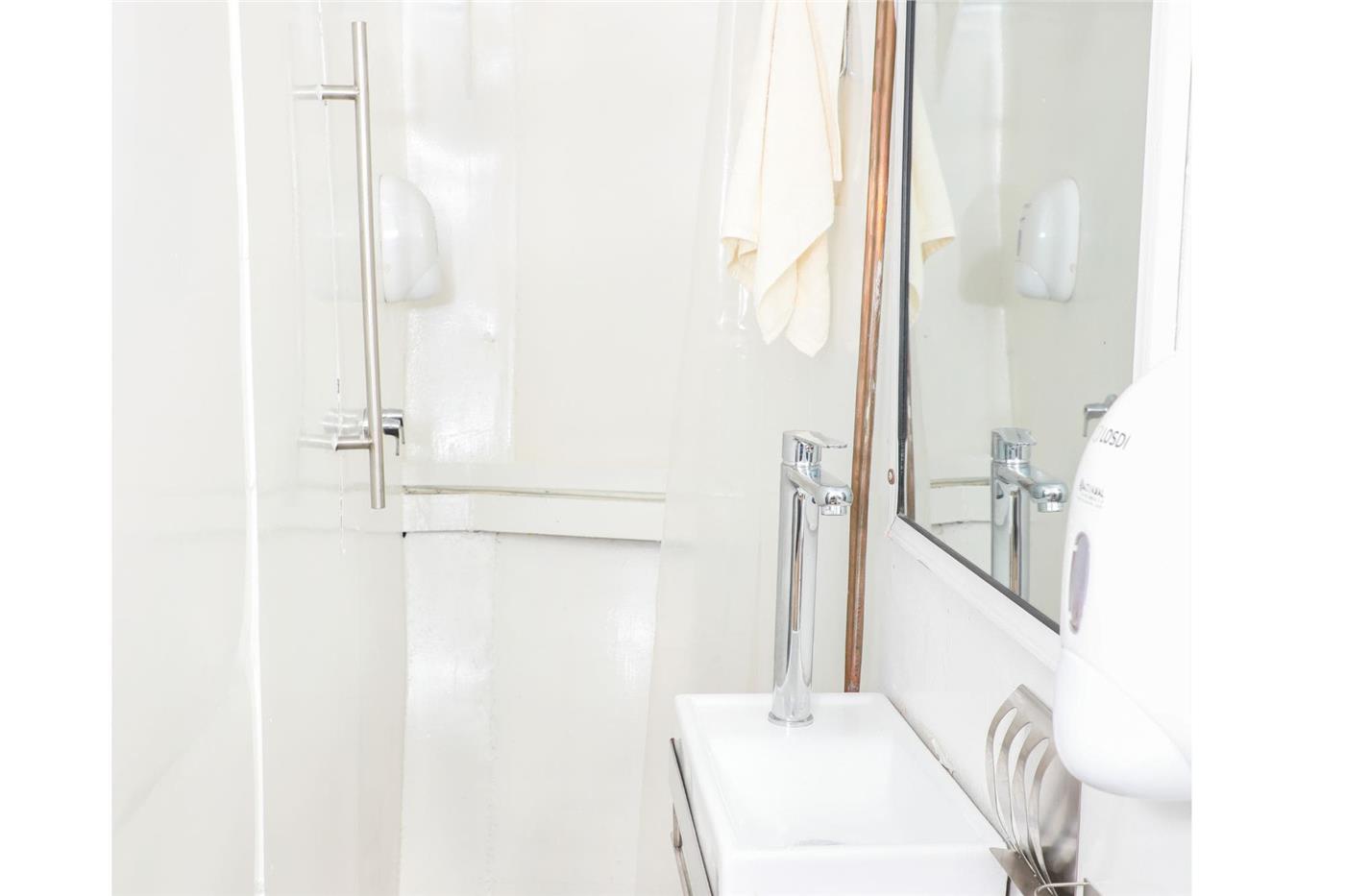
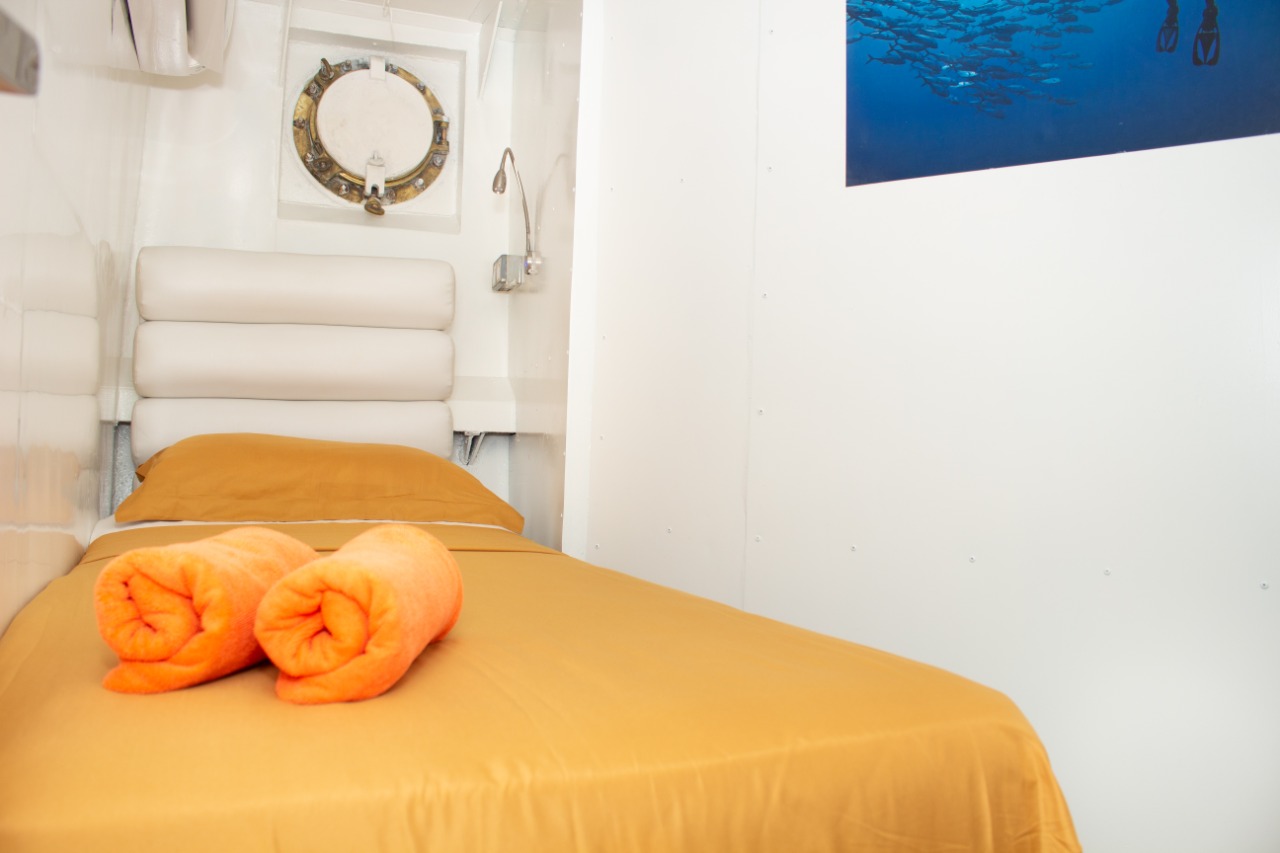
Informations sur le type de cabine
Salle de bain
Single cabin Main deck Starboard side
Informations sur le type de cabine
Salle de bain
Queen bed Cabin Extra
Informations sur le type de cabine
Salle de bain
Itinéraires et informations
Combo Gorgona - Malpelo
En savoir plus
Malpelo has steep coasts of volcanic formation that emerge from more than 4000m deep. The main island is 1643m long, with a maximum width of 727m and a maximum height above sea level of 360m on the Mona hill. It is surrounded by 11 small islets distributed as follows: 3 in the far north known as “Los Mosqueteros” (Athos, Porthos, Aramis and D’Artagnan), 2 in the east called Vagamares and La Torta, 5 in the far south known like La Gringa, Escuba, and “Los Tres Reyes” (Saúl, David and Salomón). Malpelo Island was formed 17 to 20 million years ago and by then the island was 10 times bigger. The current geomorphology of the island is the product of marine erosion, rainfall and strong winds.
On this island, the characteristics of the marine environment are strongly influenced by the patterns of currents that run through the area. The Malpelo region is a point of confluence of several important currents of the Pacific Basin and the Panama Inlet, which has undoubtedly influenced the special composition of its particular marine fauna. 395 species of fish have been found in Malpelo.
Most are rocky and coral reef fish. You can see large concentrations of sharks, including hammerheads, silky sharks, and whale sharks, as well as a group of deep-sea sharks, better known as monster sharks. Reptiles (mainly sea turtles) and marine mammals have also been found. The biomass present is sufficient to feed a permanently established colony of approximately 20 dolphins.
Today the Malpelo Fauna and Flora Sanctuary is the ninth largest marine protected area in the world. Since 2005 it has been classified as an Important Area for Bird Conservation (AICA Area) by Bird Life International and by the Alexander Von Humboldt Research Institute.
Perhaps the greatest recognition is its declaration as a Natural Heritage of Humanity in 2006 by the United Nations Educational, Scientific and Cultural Organization (UNESCO). Under this scenario, the National Government points to Malpelo as one of the “marine jewels” of Colombia.